
Muslim Holidays 2028

The Islamic calendar follows the lunar Hijri system, so every Muslim holiday moves about 10 to 11 days earlier each year on the Gregorian calendar. In 2028, Muslims will observe the second half of the Hijri year 1449 and the start of 1450. The year includes Ramadan, Eid al-Fitr, Eid al-Adha, the Islamic New Year, Ashura, and Mawlid.
Muslim Holidays 2028 at a Glance
| Occasion | Hijri Date | Expected Date in 2028 |
|---|---|---|
| Shab-e-Barat (Laylat al-Bara'ah) | 15 Sha'ban 1449 | Wed–Thu, 12–13 January |
| First day of Ramadan | 1 Ramadan 1449 | Fri, 28 January |
| Laylat al-Qadr (27th night, expected) | 27 Ramadan 1449 | Night of 22–23 February |
| Eid al-Fitr | 1 Shawwal 1449 | Sat, 26 February (or Sun, 27 February) |
| Day of Arafah | 9 Dhul Hijjah 1449 | Thu, 4 May |
| Eid al-Adha | 10 Dhul Hijjah 1449 | Fri, 5 May |
| Islamic New Year | 1 Muharram 1450 | Thu–Fri, 25–26 May |
| Ashura | 10 Muharram 1450 | Sat–Sun, 3–4 June |
| Mawlid al-Nabi | 12 Rabi' al-Awwal 1450 | Fri–Sat, 4–5 August |
| Isra and Mi'raj | 27 Rajab 1450 | Thu–Fri, 14–15 December |
Ramadan 1450 is expected to begin in mid-January 2029, so the next fasting month falls just outside 2028.
1. Shab-e-Barat (Mid-Sha'ban) – January 2028

Shab-e-Barat falls on the night of the 15th of Sha'ban. Many Muslims, especially in South Asia, spend the night in prayer, Quran recitation, dhikr, and asking for forgiveness. Some also visit graves and give charity. Scholars differ on the authenticity of reports about this night, so it is best to follow what is clearly established in the Quran and Sunnah, such as sincere repentance, voluntary prayer, and good deeds.
2. Ramadan 1449 – Begins around 28 January 2028

Ramadan, the ninth month of the Hijri calendar, is the month of fasting (sawm), one of the five pillars of Islam. The Quran was first revealed in this month. Muslims fast from dawn (Fajr) to sunset (Maghrib), increase their prayers, recite the Quran, and give zakat and sadaqah.
In 2028, Ramadan falls in the winter months, so fasts will be comparatively short in much of the northern hemisphere, roughly 11 to 13 hours depending on location. In Bangladesh, expect a fasting day of about 11 to 12 hours.
Key practices: suhoor (pre-dawn meal), iftar (breaking the fast at sunset), Taraweeh prayers at night, and Zakat al-Fitr before Eid prayer.
3. Laylat al-Qadr – Last Ten Nights of Ramadan

Laylat al-Qadr, the Night of Power, is better than a thousand months according to the Quran. Its exact date is not specified. The Prophet ﷺ advised seeking it in the odd nights of the last ten days of Ramadan, and many Muslims especially look to the 27th night. Expect this around 22–23 February 2028, with the odd nights in the days just before it.
4. Eid al-Fitr – Around 26 or 27 February 2028

Eid al-Fitr marks the end of Ramadan and the start of Shawwal. It is a day of gratitude, charity, and family gatherings. Muslims pay Zakat al-Fitr before the Eid prayer, pray the two-rak'ah Eid prayer in congregation, wear their best clothes, visit relatives, and share meals.
Many Muslims follow Eid al-Fitr with six voluntary fasts in Shawwal, which the Prophet ﷺ said brings reward equal to fasting the whole year when combined with Ramadan.
5. Day of Arafah – Around 4 May 2028

The Day of Arafah is the 9th of Dhul Hijjah, when pilgrims gather on the plain of Arafah during Hajj. It is the heart of the pilgrimage. For Muslims not performing Hajj, fasting this day is strongly recommended and is reported to expiate the sins of the previous and coming year.
The first ten days of Dhul Hijjah are among the most virtuous days of the year, with extra worship, takbir, and charity encouraged.
6. Eid al-Adha – Around 5 May 2028

Eid al-Adha, the Festival of Sacrifice, commemorates Prophet Ibrahim's (peace be upon him) willingness to sacrifice his son in obedience to Allah, and Allah's mercy in replacing the sacrifice. Muslims pray Eid prayer, perform Qurbani (sacrifice of an eligible animal), and divide the meat into three parts: for the family, for relatives and friends, and for the poor.
Hajj 2028 will take place in the days leading up to Eid al-Adha, concluding on 10–13 Dhul Hijjah. In Bangladesh, Eid al-Adha is a major public holiday with extended closures and heavy travel.
7. Islamic New Year (1 Muharram 1450) – Around 25–26 May 2028

The Hijri calendar begins from the Prophet's ﷺ migration (Hijrah) from Makkah to Madinah. The new year is a time for reflection, not celebration. There is no special prescribed worship tied to the first day, but many Muslims use the occasion to renew their intentions and review their spiritual goals.
8. Ashura (10 Muharram) – Around 3–4 June 2028

Ashura is the 10th of Muharram. Fasting on this day is a Sunnah, and the Prophet ﷺ said it expiates the sins of the previous year. He also encouraged fasting the 9th or 11th along with it, to distinguish the practice. The day is remembered for Allah's deliverance of Prophet Musa (Moses) and the Children of Israel from Pharaoh. For Shia Muslims, Ashura is also a day of mourning for the martyrdom of Imam Husayn at Karbala.
9. Mawlid al-Nabi (12 Rabi' al-Awwal) – Around 4–5 August 2028
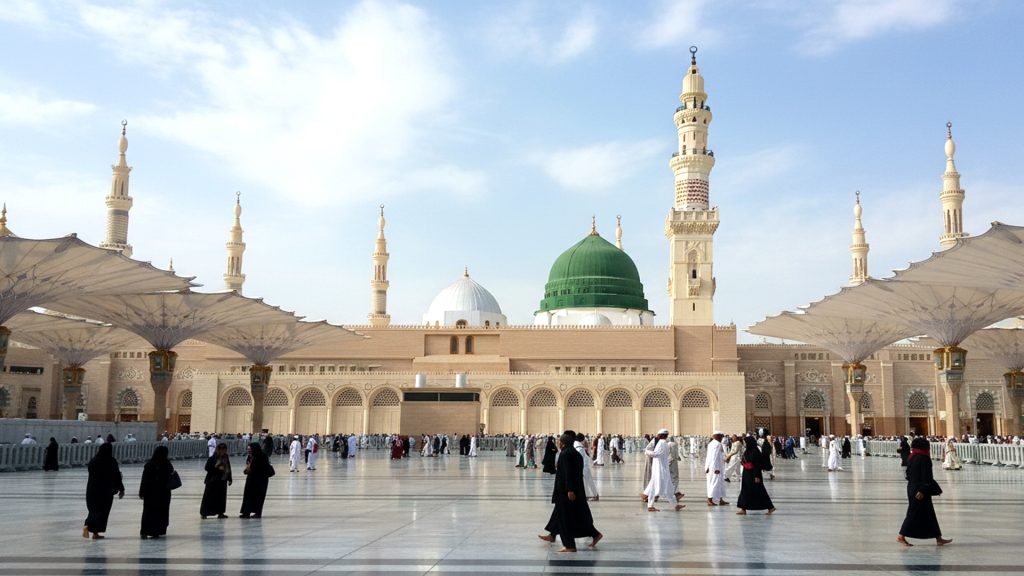
This date marks the birth of the Prophet Muhammad ﷺ. Views differ among scholars on whether it should be commemorated as a special occasion. Some communities hold gatherings with Seerah talks, Quran recitation, salawat, and charity, while others prefer to remember the Prophet ﷺ through daily adherence to his Sunnah rather than a specific celebration. In Bangladesh, Eid-e-Miladunnabi is a public holiday.
10. Isra and Mi'raj (27 Rajab) – Around 14–15 December 2028

Isra and Mi'raj commemorates the Prophet's ﷺ night journey from Makkah to Jerusalem and his ascension through the heavens, during which the five daily prayers were prescribed. Some Muslims observe this night with additional worship and reflection on the importance of salah. As with some other occasions, scholars differ on assigning special rituals to a specific date.
Other Recurring Sunnah Observances in 2028
- Mondays and Thursdays: Voluntary fasting each week.
- White Days (13th, 14th, 15th of each Hijri month): Recommended voluntary fasts.
- Fridays (Jumu'ah): The weekly congregational prayer, which is itself a day of Eid for Muslims.
Why Do Muslim Holiday Dates Change Every Year?
The Hijri calendar has 354 or 355 days, compared with 365 or 366 in the Gregorian calendar. Holidays therefore move earlier by about 10 to 11 days each year. Over about 33 years, Ramadan and the Eids pass through every season. Because months begin with moon sighting, official announcements from local religious authorities determine the final dates.
Frequently Asked Questions
When is Ramadan 2028?
Ramadan is expected to begin around 28 January 2028 and end around 25–26 February 2028.
When is Eid al-Fitr 2028?
Around 26 or 27 February 2028, depending on moon sighting.
When is Eid al-Adha 2028?
Around 5 May 2028, with the Day of Arafah on 4 May.
When is the Islamic New Year 2028?
1 Muharram 1450 is expected around 25–26 May 2028.
Are Muslim holiday dates the same in every country?
No. Some countries rely on local moon sighting and others use astronomical calculation, so dates can differ by a day or sometimes two.
Is Shab-e-Barat a public holiday in Bangladesh?
It has traditionally been observed as a public holiday in Bangladesh, but the official holiday list is announced by the government each year, so check the latest notice.
Conclusion
The Muslim holidays of 2028 begin with Shab-e-Barat in January, followed by Ramadan, Eid al-Fitr, Eid al-Adha, the Islamic New Year, Ashura, and Mawlid, and close with Isra and Mi'raj in December. Because dates depend on moon sighting, always confirm with your local religious authority or national announcement as each occasion approaches. May Allah accept our fasting, prayers, and good deeds throughout the year.
Disclaimer: Dates are estimated and may vary by one to two days depending on moon sighting and local authority announcements.