
Charity in Islam
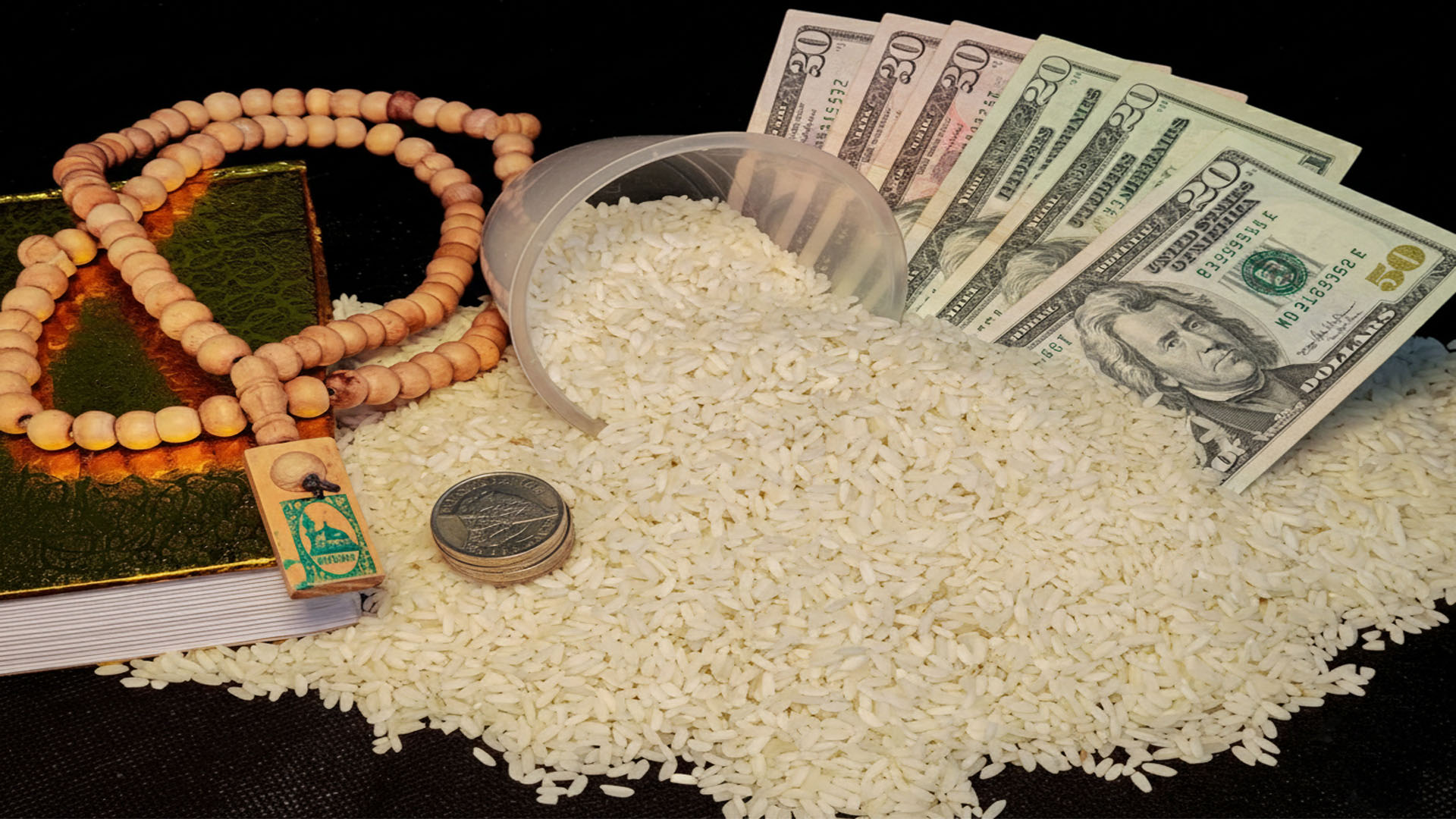
Charity in Islam is much more than handing over money. It is a way of life that protects the poor, purifies wealth and softens the heart of the giver. This guide covers the meaning, importance, types, Quran and Hadith quotes, examples, benefits and rules of charitable giving in Islam.
If you want the basics first, see our guide to Zakat and the overview of the Five Pillars of Islam.
Charity in Islam Meaning
The meaning of charity in Islam is wider than the everyday word "charity". The main Arabic terms are Zakat (purification and growth) and Sadaqah (from sidq, truthfulness). Both describe giving that proves sincere faith and frees the heart from greed.
Islam treats charity as a right of the poor over the wealth of others, and as an act of worship. It covers money, food, knowledge, time and even a kind word. Several words describe giving, and each has a different ruling:
- Zakat: Obligatory charity on qualifying wealth.
- Sadaqah: Voluntary giving of any kind.
- Infaq: Spending in the way of Allah, a broad word used often in the Quran.
- Sadaqah Jariyah: Ongoing charity whose reward continues, such as a well or a school.
- Waqf: A permanent endowment, where the asset stays and its benefit is given away.
Surah Al Baqarah (2:261) gives a vivid picture: spending for Allah is like a seed that grows seven ears, each with a hundred grains. Read it on Quran.com.
Importance of Charity in Islam
The Quran often places prayer and Zakat side by side. Giving is a pillar of faith, a duty of the wealthy and a safety net for the whole community. Islam sees wealth as a trust from Allah, and owners as managers who share a fair portion with others.
- It is worship: Zakat is the third Pillar of Islam, and voluntary charity is among the most loved deeds.
- It purifies: It cleans wealth and the soul from greed and stinginess.
- It protects society: It reduces hunger, debt and resentment between classes.
- It continues after death: Ongoing charity keeps rewarding the giver.
- It proves faith: The Prophet peace be upon him called charity a proof of faith.
Our article on Islamic economics shows how giving fits into a wider system of justice.

Charity in Islam Quotes from the Quran
These verses are paraphrased in simple English. Follow the links to read the full Arabic text and translations.
Surah Al Baqarah 2:261: Those who spend for Allah are like a seed that grows seven ears, with a hundred grains in each. Allah multiplies for whom He wills. Read on Quran.com
Surah Al Imran 3:92: You will not reach true righteousness until you spend from what you love. Read on Quran.com
Surah Al Baqarah 2:271: Giving openly is good, but giving quietly to the poor is better for you. Read on Quran.com
Surah Al Baqarah 2:274: Those who spend night and day, in secret and in public, will have their reward with their Lord, with no fear and no grief. Read on Quran.com
Surah At Taghabun 64:16: Whoever is protected from the greed of his own soul, those are the successful. Read on Quran.com
Hadith About Charity
The Prophet peace be upon him spoke about charity often. These well known reports are given in paraphrase, with sources so you can verify them.
| Teaching | Source |
|---|---|
| Charity does not decrease wealth. | Sahih Muslim 2588 |
| Every good act is charity. | Sahih Muslim 1005 |
| Protect yourself from the Fire, even with half a date. | Sahih al Bukhari 1417, Sahih Muslim 1016 |
| Smiling at your brother is charity. | Jami at Tirmidhi 1956 |
| Charity puts out sin as water puts out fire. | Jami at Tirmidhi 614 |
| The giving hand is better than the receiving hand. | Sahih al Bukhari 1427 |
| When a person dies, their deeds end except ongoing charity, useful knowledge and a righteous child who prays for them. | Sahih Muslim 1631 |
| One of the seven shaded on the Day of Judgment gives so secretly that his left hand does not know what his right hand gave. | Sahih al Bukhari 660, Sahih Muslim 1031 |
7 Types of Charity in Islam at a Glance
| Type | Ruling | What it means |
|---|---|---|
| Zakat | Obligatory | Yearly payment of about 2.5% on qualifying savings above the nisab |
| Zakat al Fitr | Obligatory | A small payment for each person before the Eid prayer |
| Sadaqah | Recommended | Any voluntary gift, amount or deed |
| Sadaqah Jariyah | Recommended | Ongoing projects such as wells, schools or clinics |
| Waqf | Recommended | An endowment that funds good causes permanently |
| Fidyah | Obligatory in some cases | Feeding a poor person for each missed fast that cannot be made up |
| Kaffarah | Obligatory in some cases | Expiation for broken oaths or serious violations |
Zakat: The Obligatory Form of Charity in Islam
Zakat is the third Pillar of Islam. It is due from every Muslim who meets the conditions, and it belongs to the poor as a right, not a favour.
Who must pay and how much
A Muslim who holds wealth above the nisab for one full lunar year pays 2.5% on that wealth. The nisab is linked to the value of gold or silver, so it changes. Always check a current figure before you calculate.
Practical example
Amina chooses a Zakat date, the first of Ramadan. On that date she adds her savings, gold and business stock, and subtracts short term debts. If the total is above the nisab, she gives 2.5% of it.
Who can receive Zakat
Surah At Tawbah (9:60) lists eight categories, which you can read on Quran.com:
- The poor (fuqara)
- The needy (masakin)
- Zakat workers
- Those whose hearts are to be reconciled
- Those in bondage or captivity
- People in debt
- In the cause of Allah
- The stranded traveller
You cannot give Zakat to your own parents, grandparents, children or spouse, because you already support them. You may give it to other relatives in need, which brings a double reward of charity and family ties.
Zakat al Fitr
This is a small amount for each family member, due at the end of Ramadan. It purifies the fast and lets the poor celebrate Eid. Read our Ramadan guide for timing.
What wealth counts for Zakat?
Many people delay Zakat because they are unsure what to count. This list is a starting point, so confirm details with a scholar.
| Usually included | Usually not included |
|---|---|
| Cash and bank balances Gold and silver kept as savings Business stock and business cash Shares and investments held for profit Money owed to you that you expect to receive | The home you live in Your everyday car Clothes, furniture and household items Tools you use to earn a living, such as a laptop or work van |
Worked example: On his Zakat date, Yusuf has £6,000 in savings, £1,000 in gold and £500 owed to him by a friend who will pay. He owes £800 in bills due now. His net wealth is £6,700. If that is above the nisab, his Zakat is 2.5% of £6,700, which is £167.50. The figures are only an example, so check the current nisab first.
Sadaqah: Voluntary Charity in Islam Beyond Money
Sadaqah is open to everyone, including people who do not pay Zakat. Every act of goodness is charity, so a person with no savings can still give daily.
Everyday sadaqah
- A sincere smile or a kind word
- Removing rubbish or a hazard from the road
- Helping a neighbour carry shopping
- Teaching a child a surah or a useful skill
- Volunteering your time
- Sharing a meal with someone who is hungry
Sadaqah Jariyah and Waqf
Ongoing charity keeps rewarding the giver after death. Examples today include digging wells, funding a school, printing beneficial books or supporting a clinic.
Examples of Charity in Islam
Charity in Islam is not limited to cash. Here are examples from daily life and from the early Muslim community.
- Feeding people: Sharing a meal, sponsoring an iftar or packing a food parcel.
- Water: Digging a well or funding a clean water project.
- Knowledge: Teaching Quran, sponsoring a student or printing beneficial books.
- Health: Paying for treatment or supporting a clinic.
- Debt relief: Easing or forgiving what someone owes you.
- Orphan care: Sponsoring an orphan's food, schooling and care.
- Kindness: A smile, a kind word or removing harm from the road.
- Uthman ibn Affan: He bought the well of Ruma in Madinah and made it free for Muslims, a classic Sadaqah Jariyah.
- Abu Bakr: Reports say he brought all his wealth for the army of Tabuk, showing complete trust. This is not a rule for everyone, and scholars advise giving generously while keeping your family secure.

Benefits of Charity in Islam
Spiritual benefits
- Forgiveness of sins and a higher rank with Allah
- Protection from stinginess and love of wealth
- Shade on the Day of Judgment for those who give sincerely
Worldly and social benefits
- Barakah (blessing) in the wealth that remains. This is a spiritual promise and not a financial formula, so nobody should give expecting an investment return.
- Less hunger, debt and loneliness in the community
- Stronger bonds between rich and poor, and between relatives
Personal benefits
- Gratitude, contentment and a sense of purpose
- Children who learn generosity by example
- Ongoing reward through Sadaqah Jariyah after death
Researchers in psychology often link generosity with better mood and stronger social ties. This does not replace professional care, but it fits the Islamic view that giving nourishes the heart.
Charitable Giving in Islam: The Etiquette

- Sincerity: Give for Allah and not for praise.
- Halal wealth: Give from lawful earnings, as explained in our halal earning guide.
- Secrecy when possible: Hidden giving is praised in the Hadith about those shaded on the Day of Judgment.
- No reminders or harm: Surah Al Baqarah (2:264) warns that boasting can spoil charity.
- Give the good: Do not give what you would hate to receive.
- Start with family: Relatives in need come first, after your own dependants.
- Kindness in the way you give: Protect the dignity of the receiver.
- Be regular: The most loved deeds are steady, even if small.
A quick checklist before each gift
- Which type is it: Zakat, Sadaqah, Fidyah or Kaffarah?
- Is the money halal?
- Is the recipient eligible? Zakat must go to the eight categories in 9:60.
- Is the charity trustworthy?
- Is the timing right? Pay Zakat when due and give Sadaqah regularly.
How to Practise Charity in Islam Every Month
Step 1: Set your Zakat date
Choose a fixed date, such as 1 Ramadan, and record your assets on that day.
Step 2: Add a small daily sadaqah
Give a coin, a pound or a few minutes of your time each day. A small habit beats a rare large gift.
Step 3: Pick one ongoing cause
Set up a monthly gift to a clean water, orphan or education project. This turns your giving into Sadaqah Jariyah.
Step 4: Involve your family
Keep a jar at home and let children choose where its funds go.
Real example: A family of four gives £1 a day into a jar and empties it every Friday. Each Friday they choose one cause together. By the end of the year they have taught the children generosity and helped fifty two causes.
Charity in Islam During Ramadan, Eid and Dhul Hijjah
Giving is encouraged at all times, and it is emphasised in special seasons. In Ramadan, feeding a fasting person earns a reward like that of the fasting person. Read more about fasting in Islam.
Zakat al Fitr comes at the end of Ramadan. The Day of Arafah and the first days of Dhul Hijjah are also strong times for giving, and Muslims who perform Qurbani share the meat with the poor. See our page on Hajj for more.
Giving Wisely in the UK and Beyond
- Registration: In England and Wales, search the Charity Commission register.
- Transparency: Read the annual report and ask how much reaches beneficiaries.
- Zakat policy: Good charities keep Zakat separate and say how it is spent.
- Tax help: UK taxpayers can often add Gift Aid. See the government guide to donating to charity, and ask the charity whether it applies to your gift.
- Local giving: Neighbours, food banks and your mosque may need help nearer home.
Teaching Children Charity in Islam
Children learn generosity by seeing it. Let them hand over the coin, pack the food bag or write a card for a neighbour.
- Ask them to split a small allowance into three: spend, save and give.
- Read stories of the companions at bedtime.
- Involve them in Ramadan food packs and Eid gifts.
- Praise the effort and kindness, not the size of the gift.
Charity in Islam and Fair Business
Charity does not cancel unfair earning. Money from cheating, interest or theft cannot be purified by giving it away. Islam asks for honesty in trade first, and giving second. If you are unsure whether income is halal, ask a scholar before you give from it.
Business owners can also give through fair wages, discounts for people in need, paying suppliers on time and sponsoring local projects.
Common Mistakes to Avoid
- Delaying Zakat: Pay it when it is due, as delay can become a sin.
- Believing sadaqah replaces Zakat: It does not.
- Giving for show: Public praise can destroy the reward.
- Ignoring family: Nearby relatives in need often deserve priority.
- Trusting unverified appeals: Check before you donate, especially on social media.
- Thinking only the rich can give: Kindness and time are charity too.
Charity in Islam and Modern Life
Today, giving can be done online in a minute, and standing orders can automate a monthly gift. The rulings stay the same: sincere intention, lawful money and the right recipient.
If you are unsure about a Zakat calculation, such as business assets, pensions or investments, speak to a qualified scholar. Rulings differ between schools. Learn more about Islamic culture on our site.
Conclusion
Charity in Islam is a full system of compassion, from the obligation of Zakat to the smallest smile. It purifies the giver, supports the vulnerable and strengthens society. Start with one habit this week, whether that is a Zakat date, a daily coin or a monthly gift, and let it grow.
Frequently Asked Questions About Charity in Islam
What is charity in Islam?
Charity in Islam covers obligatory giving (Zakat), voluntary giving (Sadaqah), ongoing gifts (Sadaqah Jariyah) and endowments (Waqf). It also includes kind words, help and other good deeds.
What are the main types of charity in Islam?
The main types are Zakat, Zakat al Fitr, Sadaqah, Sadaqah Jariyah, Waqf, Fidyah and Kaffarah. Zakat and Zakat al Fitr are obligatory, and the rest are voluntary or required only in certain cases.
What is the difference between Zakat and Sadaqah?
Zakat is a fixed, obligatory payment on qualifying wealth, usually 2.5% after a full lunar year. Sadaqah is voluntary, can be any amount, and is not limited to money.
Who must pay Zakat?
A Muslim who is free, sane and holds wealth above the nisab threshold for a full lunar year must pay. The nisab value changes with gold and silver prices, so check a current figure.
Who can receive Zakat?
The Quran names eight categories in Surah At Tawbah 9:60, including the poor, the needy, those in debt and travellers in need. Wealthy people and your own parents and children cannot receive it.
What is the best Hadith about charity?
A widely quoted one is that charity does not decrease wealth (Sahih Muslim 2588). Another is that every good act is charity (Sahih Muslim 1005).
Can I give charity in secret?
Yes. Secret giving is highly praised in the Hadith, though open giving is also fine when it encourages others and the intention is sincere.
Is a smile really charity in Islam?
Yes. The Prophet peace be upon him taught that every good act, including a kind word or a smile, counts as charity.
Can I pay Zakat in Ramadan?
Yes. Many Muslims pay in Ramadan because rewards are multiplied. You may also pay on your Zakat anniversary if it falls at another time.
How do I check a charity is trustworthy?
Look up its registration number in the Charity Commission register, read its annual accounts and ask how it distributes Zakat funds.
