
Moonsighting for Rajab 1448 (2026): 7 Powerful Steps to Confirm It
Moonsighting for Rajab 1448 is one of the most searched topics among Muslims as the Islamic year moves toward Sha'ban and Ramadan. Rajab is one of the four sacred months, and the question every household asks is simple: on which evening should we look for the crescent, and when does Rajab truly begin? This guide gives you the expected dates, the Quran and hadith basis, the scholarly positions, and a clear checklist you can follow with confidence.
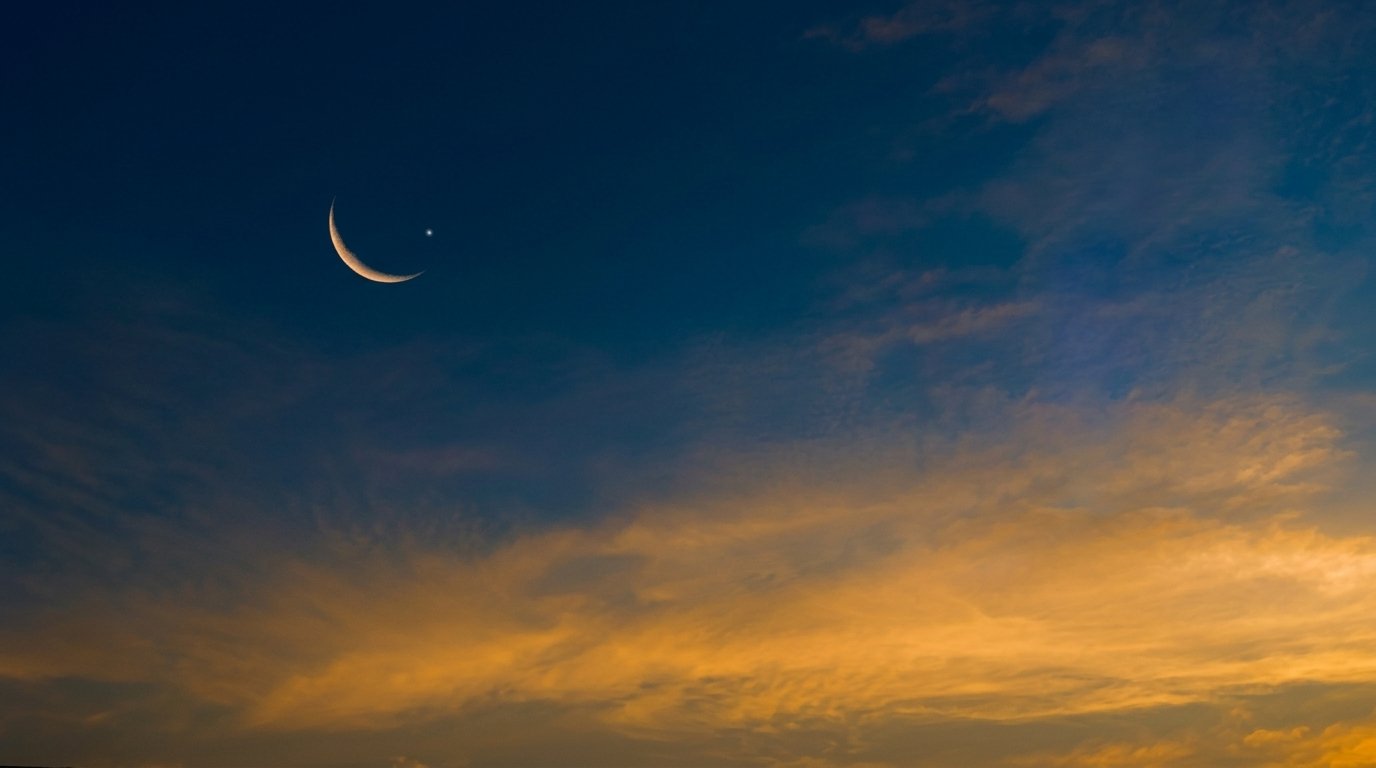
- Expected sighting evening: 29 Jumada al Thani 1448, which falls around 9 to 10 December 2026 depending on your country.
- Expected 1 Rajab 1448: around 10 or 11 December 2026, subject to local confirmation.
- If the moon is not seen: Jumada al Thani is completed as 30 days.
- Best source of truth: your local moonsighting committee or national religious authority.
Dates are estimates based on astronomical expectations. The Islamic month begins only after a confirmed sighting or an officially adopted calculation in your country.
What Is Moonsighting for Rajab 1448 and Why Does It Matter?
Moonsighting for Rajab 1448 means looking for the new crescent (hilal) at sunset on the 29th day of Jumada al Thani 1448 AH to decide whether Rajab starts the next day. The Islamic calendar is purely lunar, so every month begins with the crescent and lasts either 29 or 30 days.
Why does this matter so much? Rajab opens the path toward Ramadan. Once you know the correct start of Rajab, you can count Sha'ban accurately and prepare calmly for the blessed month of fasting. A mistake of a single day at this stage can ripple through the next two months.
The Meaning of Hilal and Rajab
The word hilal refers to the first visible sliver of the moon after the new moon. The word Rajab comes from an Arabic root linked to honoring and respect, which fits its status as a sacred month in which the Arabs, and later Islam, restricted fighting and encouraged restraint.
Why One Day Can Change So Much
Imagine a family in Chattogram planning to remember Rajab with extra worship and charity. If the committee announces the start on Friday but the family counted from Thursday, their entire plan shifts. Accurate moonsighting for Rajab 1448 keeps your community together and your worship organized.
Expected Date for Moonsighting for Rajab 1448
The astronomical new moon (conjunction) before Rajab 1448 is expected around 9 December 2026. Because the conjunction happens close to the evening of the 29th in many time zones, the moon will be extremely young at sunset. That detail drives the difference between regions.
| Region | Sighting evening (expected) | Likely 1 Rajab 1448 |
|---|---|---|
| Saudi Arabia and Gulf states | 9 December 2026 | 10 or 11 December 2026 |
| Bangladesh, India, Pakistan | 9 or 10 December 2026 | 11 December 2026 (likely) |
| UK, Europe, Africa | 9 or 10 December 2026 | 10 or 11 December 2026 |
| North America | 9 December 2026 | 10 or 11 December 2026 |
This table is an educational estimate. Always follow your local announcement.
Moon Age and Visibility at Sunset
Visibility depends on the moon's age at sunset, its distance from the sun (elongation), its height above the horizon, and the time it stays up after the sun sets. When the moon is only a few hours old, it usually cannot be seen even with a telescope. For moonsighting for Rajab 1448, many regions will therefore complete 30 days of Jumada al Thani, while places with a later conjunction or more favorable geometry may have a chance of sighting.
Why Bangladesh and South Asia Often Start Later
South Asia sits far east, so sunset arrives earlier in universal time. The moon has had less time to move away from the sun, which makes a first evening sighting harder. This is why countries in the region often announce a start one day after the Gulf. It is a matter of geography, not disagreement about the religion.
Quran Evidence for Moonsighting for Rajab 1448
The Quran repeatedly links the moon with time keeping, which is the foundation of moonsighting for Rajab 1448. Three verses are especially helpful.
The Moon as a Marker of Time
This verse tells us that the new moons are a natural sign given to all people, not only to scholars. That is why the Sunnah of looking for the crescent is accessible to everyone.
Twelve Months and Four Sacred Months
Rajab is one of those four sacred months, together with Dhul Qadah, Dhul Hijjah, and Muharram. You can read the verse and its translations on Quran.com (9:36).
The Moon's Stations and Counting Years
Allah also mentions the moon's stages in Surah Ya Sin (36:39). Together, these verses show that lunar movement is a sign for counting time, which is why both sighting and astronomy have a place in the discussion.
Hadith Evidence on Sighting the Crescent
The Sunnah gives clear instructions that guide moonsighting for Rajab 1448 and every other month.
Start and End by Sighting the Crescent
Although this hadith was said about Ramadan, scholars apply the same principle to all lunar months: see the crescent, or complete thirty days. You can verify the narration on Sunnah.com.
The Month Can Be 29 or 30 Days
The Prophet (peace be upon him) taught that the month may be twenty nine days, and he gestured to show that it may also be thirty (Sahih al Bukhari 1907, Sahih Muslim 1080). This is why we begin looking on the evening of the 29th, never earlier.
Rajab in the Authentic Sunnah
In the farewell sermon narrated by Abu Bakrah, the Prophet (peace be upon him) named the four sacred months and described Rajab as the month of Mudar that comes between Jumada and Sha'ban (Sahih al Bukhari 3197). This confirms Rajab's rank without adding any invented rituals.
Sighting vs Calculation: What Do Scholars Say?
The modern discussion around moonsighting for Rajab 1448 usually comes down to three approaches. Understanding them helps you stay calm when announcements differ.
1. Local Sighting
Each region looks for the crescent on its own horizon. This approach follows the plain wording of the hadith and is common in South Asia, the UK, and parts of Africa.
2. Global Sighting
If a trustworthy sighting is confirmed anywhere, the whole Muslim world may begin the month. Some scholars and councils adopt this view to reduce differences between countries.
3. Astronomical Calculation
Some authorities use calculations, either to rule out impossible sightings or to set the month in advance. Others accept calculation only as a helper that supports, but does not replace, a real sighting.
Follow the decision of your country's recognized authority or your local mosque committee. This protects unity, and unity in worship is itself a value in Islam.
7 Powerful Steps to Confirm Moonsighting for Rajab 1448
Use this simple checklist to handle moonsighting for Rajab 1448 with clarity, whether you plan to look yourself or wait for an announcement.
- Mark the 29th of Jumada al Thani. Count the days from the confirmed start of Jumada al Thani 1448 so you know the correct evening.
- Check the moon's age and position. Use a trusted tool such as Time and Date moon phases to see when the new moon occurs and when the sun sets in your city.
- Choose a clear viewpoint. Find an open western horizon with no tall buildings, trees, or hills. A rooftop, beach, or open field works well.
- Start right after sunset. The crescent is faint and sets soon after the sun. Begin within minutes and keep looking for about 20 to 30 minutes.
- Scan low, then widen. Look slightly to the left or right of where the sun set, close to the horizon. Binoculars can help you locate it, but never point them at the sun before it sets fully.
- Report to a recognized authority. If you believe you saw the crescent, share your details with your local moonsighting committee. Individual claims are verified before an announcement.
- Complete 30 days if unseen. If the sky is cloudy or the moon is not sighted, complete Jumada al Thani as thirty days, following the hadith.
Safety First
Never look at the sun through binoculars or a telescope. Wait until the sun has fully set, and take extra care on rooftops, especially with children.
Practical Examples of Moonsighting for Rajab 1448
Examples make the rules easier to apply. Here are two common situations.
Example 1: A Clear Evening in Chattogram
Amina's family goes to an open rooftop at sunset on the 29th. The moon is under a day old and sits very low. They see nothing, and the local committee later announces that no sighting was reported. They complete 30 days of Jumada al Thani and begin Rajab on the following day.
Example 2: A Cloudy Evening in London
Yusuf waits near a window, but heavy cloud covers the western sky. Following the hadith, his community completes thirty days. Clouds do not cancel the month, because the Sunnah gave a clear fallback.

The Status of Rajab: What Is Authentic and What Is Not
After confirming moonsighting for Rajab 1448, many people ask what to do in the month itself. Here the principle of E-E-A-T and honesty matters: we should rely on authentic evidence.
What Is Established
- Rajab is a sacred month, and wrongdoing is especially serious in it (Quran 9:36).
- Voluntary fasting, prayer, charity, and repentance are encouraged throughout the year, including Rajab.
- Seeking forgiveness and strengthening your relationship with the Quran are always rewarded.
What Scholars Caution About
- Many narrations praising specific Rajab nights, special prayers, or fixed fasting rewards are weak or fabricated.
- The popular supplication "O Allah, bless us in Rajab and Sha'ban and let us reach Ramadan" is reported with a weak chain, though the wish itself is a good one.
- The date of the Isra and Miraj (often cited as 27 Rajab) is not firmly established, and no special ritual for that night was taught by the Prophet (peace be upon him).
Instead of inventing rituals, use Rajab as a gentle runway toward Ramadan: fix your prayers, reduce sins, pay missed fasts, and build a daily Quran habit. Browse more guidance in our complete guide to the month of Rajab.
Dua When You See the New Crescent
When the new crescent is seen, it is recommended to make dua. A narration in Jami at Tirmidhi (3451) gives this supplication, and its meaning is:
Some scholars discuss the grading of this narration, so recite it as a supplication and not as a fixed obligation. Learn more in our importance of Jumada al Thani and use our Hijri date converter to check dates.
Common Mistakes in Moonsighting for Rajab 1448
- Looking on the wrong evening. Sighting is for the 29th, not the 28th or 30th.
- Trusting social media screenshots. Photos of old moons or edited images spread quickly. Wait for an official statement.
- Confusing the old moon with the new crescent. A moon seen before sunrise belongs to the end of the previous month.
- Arguing over differences. Different countries may start on different days. Follow your authority and keep good manners.
- Adding unproven rituals. Do not attach special prayers or nights to Rajab without authentic evidence.
- Using a bright sky as an excuse. Plan your viewpoint in advance, because the crescent is easy to miss.
Trusted Resources for Moonsighting for Rajab 1448
Use reliable sources to cross check what you read. These external references are widely used and helpful:
- Moonsighting.com for crescent visibility maps and analysis.
- Time and Date for moon phases, sunset, and moonset times.
- NASA Moon Phases for a clear science explanation of how the moon cycle works.
- Quran.com and Sunnah.com for verifying verses and hadith.
For more articles on the Islamic calendar, fasting, and worship, explore the twelve Islamic months and check local timings with our Islamic prayer times tool.
How to Prepare for Rajab, Sha'ban, and Ramadan
Once the start of Rajab is confirmed, use the time wisely. The three months together form a natural training period.
In Rajab: Clean the Foundation
Begin with sincere repentance. Review your five daily prayers, correct bad habits, and settle outstanding debts or disputes.
In Sha'ban: Build the Habit
The Prophet (peace be upon him) fasted often in Sha'ban (Sahih al Bukhari 1969). Add voluntary fasts and increase your Quran recitation. Read more about the month of Sha'ban and the rules of fasting.
In Ramadan: Reap the Reward

By the time Ramadan arrives, your body and heart are ready. Planning around accurate moonsighting for Rajab 1448 makes it easier to count the months correctly and welcome Ramadan without confusion.
Explore the Twelve Islamic MonthsFrequently Asked Questions About Moonsighting for Rajab 1448
When is the moonsighting for Rajab 1448?
The sighting evening is the 29th of Jumada al Thani 1448, expected around 9 to 10 December 2026 depending on your location. Your local authority will confirm the exact evening and result.
When will 1 Rajab 1448 begin?
1 Rajab 1448 is expected around 10 or 11 December 2026. In South Asia, the later date is more likely because the moon will be very young at sunset.
What if the crescent is not seen because of clouds?
If the crescent is hidden by clouds or not sighted, the current month is completed as thirty days, following the authentic hadith in Sahih al Bukhari and Sahih Muslim.
Can I rely on astronomical calculations alone?
Scholars differ. Many accept calculations as a supporting tool, while others require an actual sighting. The safest approach is to follow your country's recognized authority.
Why do countries start Rajab on different days?
Countries differ in geography, local horizon conditions, and the method they follow (local sighting, global sighting, or calculation). These differences are recognized within scholarly discussion.
Is Rajab a sacred month in the Quran?
Yes. Surah At Tawbah 9:36 mentions four sacred months, and the hadith in Sahih al Bukhari 3197 identifies Rajab as one of them.
Is there a special fast or prayer for Rajab?
There is no authentic evidence for a fixed fast or special prayer specific to Rajab. Voluntary worship is encouraged in every month, but avoid unproven rituals.
Is 27 Rajab the night of Isra and Miraj?
The date is not firmly established in authentic sources, and no special celebration was taught by the Prophet (peace be upon him). The event itself is a true and honored part of the Seerah.
How can I see the new crescent myself?
Go to an open western horizon right after sunset on the 29th, look low near where the sun set, and use binoculars only after the sun has fully set. Report any sighting to your local committee.
Conclusion
Moonsighting for Rajab 1448 is a beautiful blend of Quranic guidance, prophetic teaching, and careful observation. Remember the essentials: look on the 29th of Jumada al Thani, complete thirty days if the crescent is not seen, follow your local authority, and avoid unproven practices. Most of all, use Rajab to cleanse your heart and prepare for Ramadan.
May Allah accept our worship and allow us to reach Ramadan in good health and faith. If this guide helped you, share it with family and friends, and visit Islamic Info Center's Ramadan guide for more reliable Islamic knowledge.