
Shab e Barat 2027 Date in India: Exact Night, Timing, and How to Observe It
Shab e Barat 2027 Date in India: Exact Night, Timing, and How to Observe It
Shab e Barat 2027 Date in India: Exact Night, Timing, and How to Observe It Learn More »
Shab e Barat 2027 Date in India: Exact Night, Timing, and How to Observe It
Shab e Barat 2027 Date in India: Exact Night, Timing, and How to Observe It Learn More »
Moon Sighting News: Live Hilal Updates for Ramadan, Eid and Every Islamic Month
Moon Sighting News: Live Hilal Updates for Ramadan, Eid and Every Islamic Month Learn More »
🌙 Quick Answer: Based on the Umm al-Qura calendar, Muharram 1448 AH is expected to begin around June 16–17, 2026 in Saudi Arabia — but the final date depends on the official moon sighting announcement on the evening of the 29th of Dhul Hijjah. For over a billion Muslims worldwide, the rhythm of religious life — from Ramadan and Eid to Hajj and Ashura — is set by the moon, not the sun. And when it comes to moon sighting in Saudi Arabia, the Kingdom’s announcements often set the tone for much of the Muslim world, since many countries either follow Saudi Arabia directly or use it as a key reference point. This article explains exactly how moon sighting works in Saudi Arabia, who makes the final call, why dates sometimes differ from country to country, and what it means for the upcoming start of Muharram 1448 AH in 2026. What Is Moon Sighting and Why Does It Matter? The Islamic calendar, also called the Hijri calendar, is a purely lunar calendar. Each month begins with the sighting of a new crescent moon (hilal) shortly after sunset, and lasts either 29 or 30 days depending on when the next crescent becomes visible. Because the lunar cycle is roughly 29.5 days, there’s no fixed number of days per month the way there is in the Gregorian calendar. This is why moon sighting in Saudi Arabia — and in every Muslim-majority country — is taken so seriously: it directly determines the start and end dates of Ramadan, the two Eid holidays, the Hajj season, and other key religious observances like Muharram and Ashura. A Personal Perspective: Why Families Watch the News Every Month If you’ve ever spent Ramadan in a Muslim household, you’ll know the particular kind of anticipation that builds on the 29th night of the month. Families gather around the TV or check their phones, waiting for the announcement of whether tomorrow is Eid or whether the fast continues one more day. This same pattern repeats at the start of Muharram, Ramadan, Shawwal, and Dhul Hijjah — making moon sighting announcements one of the most-watched religious updates of the year. How Saudi Arabia Officially Confirms the Moon Sighting In Saudi Arabia, the responsibility for confirming the new crescent falls to the Crescent Sighting Committee, which operates under the authority of the Kingdom’s Supreme Court. Here’s how the process typically works: Step 1 — Pre-announcement: A few days before the 29th of the current Hijri month, the Supreme Court calls on citizens across the Kingdom to be ready to observe the new moon after sunset. Step 2 — Observation night: On the evening of the 29th, trained observers and astronomical observatories across various regions of Saudi Arabia attempt to spot the crescent moon shortly after sunset. Step 3 — Reporting: Sightings (or the absence of a sighting) are reported to the Supreme Court, which reviews testimonies alongside astronomical data. Step 4 — Official announcement: The Supreme Court issues a ruling via the Saudi Press Agency (SPA), confirming either that the new month begins the next day, or that the current month will run a full 30 days. The Role of the Umm al-Qura Calendar Saudi Arabia also maintains the Umm al-Qura calendar, an astronomically calculated calendar used for administrative and planning purposes — things like government schedules, school calendars, and long-term event planning. However, it’s important to understand that the Umm al-Qura calendar provides estimated dates only. The actual religious determination — particularly for months like Ramadan, Shawwal, and Dhul Hijjah — still depends on the Crescent Sighting Committee’s official confirmation, which can shift the Umm al-Qura estimate by a day in either direction. Moon Sighting and Muharram 1448 AH (2026) As of mid-June 2026, attention has turned to the start of Muharram 1448 AH, which marks the beginning of the new Islamic year. Based on the Umm al-Qura calendar, Muharram 1 is projected to fall around June 16, 2026, though several Islamic calendar trackers note the realistic window is between June 16 and June 18, depending on the country and its moon sighting methodology. Event Estimated Date (2026) Notes 29th Dhul Hijjah 1447 ~15 June 2026 Moon sighting attempted this evening 1 Muharram 1448 AH ~16–17 June 2026 Subject to official confirmation by Supreme Court Ashura (10 Muharram) ~25 June 2026 Falls 9 days after Muharram 1, regardless of sighting outcome Why the Date Could Shift by a Day If the crescent moon is not sighted on the evening of the 29th of Dhul Hijjah, the Supreme Court will declare that Dhul Hijjah completes its full 30 days, pushing the start of Muharram — and consequently Ashura — one day later than the Umm al-Qura estimate. This exact scenario has happened in previous years; for example, in 2024 the crescent for Muharram 1446 was not sighted on the expected evening, so Saudi Arabia’s Supreme Court extended Dhul Hijjah to 30 days and announced Muharram 1 for the following day instead. Why Moon Sighting Dates Differ Between Countries One of the most common questions during any Islamic month transition is: “Why does my country celebrate on a different day than Saudi Arabia?” There are several legitimate reasons for this: 1. Geographic Visibility The crescent moon becomes visible at different times depending on longitude and latitude. A crescent that’s visible in Saudi Arabia at sunset might still be too thin or too low on the horizon to be seen from, say, Indonesia or the UK on the same evening. 2. Local vs. Global Sighting Methodology Some countries follow a strict local sighting rule — meaning the moon must be physically visible within that country’s own borders before the new month is declared there. Other countries follow global sighting, accepting a credible sighting from anywhere in the world, including Saudi Arabia, as sufficient for their own declaration. 3. Weather Conditions Cloud cover, dust, or haze can prevent observers from confirming a sighting even if the moon is technically above the horizon
Moon Sighting in Saudi Arabia 2026: How It Works & What It Means for Muharram Learn More »

Wondering when Muharram 2026 begins? Discover the expected start date of Muharram 1448 AH, the Islamic New Year, along with its significance, key events, and important dates observed by Muslims worldwide.
When is Muharram 2026? Exact Dates, Ashura & Complete Islamic New Year Guide Learn More »

The Islamic calendar 2026 is more than a list of dates-it’s a spiritual roadmap. By understanding the Hijri months, key events, and moon-sighting nuances, you can plan worship with confidence and intention. Whether you’re preparing for Ramadan, marking the Eids, or teaching the next generation, this guide helps you stay aligned with Islamic time.
Hijri Calendar 1447: Complete Hijri Dates & Important Events Learn More »
Saudi Arabia Islamic Announcements: Ultimate 2026 Pilgrim & Mosque Policy Guide
Saudi Arabia Islamic Announcements: Ultimate 2026 Pilgrim & Mosque Policy Guide Learn More »
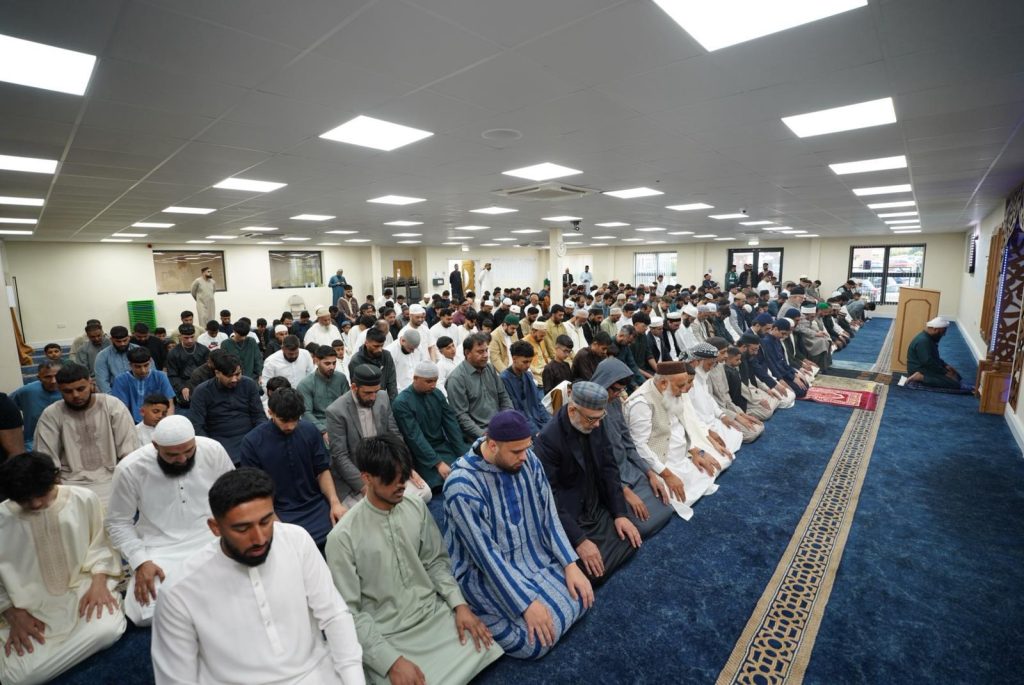
Understanding when is Eid 2027 UK is more than just marking a date on your calendar. It’s about preparing spiritually, connecting with family, serving the community, and celebrating one of Islam’s most beautiful traditions.
When is Eid 2027 UK? Official Dates, Meaning & Celebrations Learn More »
Dhul Hijjah Moon Sighting 2026: Official Dates, Significance & Announcements Dhul Hijjah Moon Sighting 2026: Confirmed Dates for the Blessed Month Official updates for the 1447 AH lunar calendar, Hajj schedules, and Eid al-Adha announcements following verified crescent sightings. The **Dhul Hijjah moon sighting** marks one of the most spiritually significant periods in the Islamic calendar. As the twelfth and final month of the Hijri year, Dhul Hijjah carries immense weight, hosting both the sacred Hajj pilgrimage and the global festival of Eid al-Adha. For millions of Muslims globally, confirming the appearance of the new crescent moon (Hilal) is the official gateway to the “Best Ten Days of the Year.” The Official Declaration of the Dhul Hijjah Moon Sighting In Islam, the beginning of every month is determined by the sighting of the new moon. The Dhul Hijjah moon sighting is unique because it dictates the precise timing of the “Day of Arafah” and the “Greatest Day of Sacrifice.” According to authentic narrations, the first ten days of this month are superior even to the days of Ramadan. On the evening of **Sunday, May 17, 2026** (29th of Dhul Qadah 1447 AH), astronomical centers and specialized moon-sighting committees across Saudi Arabia successfully sighted the new crescent moon. Consequently, the Supreme Court of Saudi Arabia officially declared the commencement of the holy month. Official Lunar Calendar for Dhul Hijjah 1447 AH (May 2026) Event Confirmed Date (Gregorian) Islamic Date (Hijri) Moon Sighting Evening Sunday, May 17, 2026 29 Dhul Qadah 1447 1st of Dhul Hijjah Monday, May 18, 2026 1 Dhul Hijjah 1447 Hajj Pilgrimage Begins Monday, May 25, 2026 8 Dhul Hijjah 1447 Day of Arafah Tuesday, May 26, 2026 9 Dhul Hijjah 1447 Eid al-Adha Wednesday, May 27, 2026 10 Dhul Hijjah 1447 The Science and Tradition Behind the Sightings The sighting of the moon depends on key astronomical factors: the lunar age, altitude above the horizon, and elongation (the angular separation between the sun and the moon). While modern metrics calculate the astronomical conjunction with total precision, Islamic tradition relies heavily on physical Ru’yah (visual sighting) to officially establish the month. For those looking for a deeper understanding of Islamic timing, remember that a lunar month spans either 29 or 30 days. Because the crescent was successfully spotted on the 29th night of Dhul Qadah (May 17), the previous month concluded without needing a 30th day. The Role of Saudi Arabia and Global Committees Since the main rites of Hajj occur across Mecca, Mina, and Arafah, the Supreme Court of Saudi Arabia makes the definitive global ruling regarding the Dhul Hijjah moon sighting. A vast majority of international communities align with the Saudi announcements to preserve global unity for the Day of Arafah. Concurrently, regional committees in places like Pakistan, India, and Morocco manage local visual horizons, which can occasionally create minor, localized date variances. Virtues of the First 10 Days of Dhul Hijjah Fasting on Arafah Fasting on the 9th day (May 26) expiates the sins of the previous year and the year to come for non-pilgrims. Increased Dhikr The Prophet (PBUH) encouraged saying SubhanAllah, Alhamdulillah, and Allahu Akbar frequently during these ten days. During this period, Muslims engage in abundant charity, voluntary fasting, and extra prayers. If you are planning to perform the Qurbani (sacrifice), it is an established Sunnah to refrain from cutting your hair or clipping your nails from the moment the **Dhul Hijjah moon sighting** is confirmed until your sacrifice is offered. Read our comprehensive Qurbani guidelines and ethics here. Practical Tips for Moon Sighting Find an Unobstructed Horizon: Scan the western sky shortly after twilight. Utilize Tools: Digital software like Stellarium or SkyView can orient you with the exact path of the moon’s track. Coordinate with Local Authorities: Join community groups to properly relay verified visual testimonies to your local judiciary boards. Exercise Patience: The young crescent (Hilal) is incredibly thin and usually sets within 20 to 30 minutes following sunset. Why the Islamic Calendar Shifts Annually Because the Islamic lunar year is roughly 11 days shorter than the standard Gregorian solar cycle, calendar months cycle backward through the seasonal year. This natural rotation ensures that religious observances like Hajj and fasting cycle through different weather conditions over a standard 33-year timeframe. “There are no days in which righteous deeds are more beloved to Allah than these ten days.” — Prophet Muhammad (PBUH) Frequently Asked Questions (FAQ) When was the Dhul Hijjah 2026 moon sighted? The crescent moon was officially sighted on Sunday evening, May 17, 2026. Therefore, the 1st day of Dhul Hijjah 1447 AH is Monday, May 18, 2026. What is the official date for Eid al-Adha 2026? In Saudi Arabia and for communities tracking the Hajj timeline, Eid al-Adha officially falls on Wednesday, May 27, 2026 (10th of Dhul Hijjah). Why do certain countries observe Eid al-Adha on different days? This occurs because of discrepancies in regional atmospheric visibility and differing jurisprudence stances (some countries require regional optical sightings, while others follow the central announcement from Mecca). When does the Hajj pilgrimage officially start in 2026? The rituals of Hajj begin on Monday, May 25, 2026 (8th of Dhul Hijjah), with pilgrims moving into Mina, followed by the day of Arafah on Tuesday, May 26, 2026. Prepare Your Heart for the Blessed Days Maximize the profound spiritual rewards of these sacred ten days. Stay connected with your local masjid for specific regional prayer schedules. View Essential Duas for Dhul Hijjah
Dhul Hijjah Moon Sighting 2026: Your Complete Guide to the Blessed Month Learn More »
