
The **Dhul Hijjah moon sighting** marks one of the most spiritually significant periods in the Islamic calendar. As the twelfth and final month of the Hijri year, Dhul Hijjah carries immense weight, hosting both the sacred Hajj pilgrimage and the global festival of Eid al-Adha. For millions of Muslims globally, confirming the appearance of the new crescent moon (Hilal) is the official gateway to the "Best Ten Days of the Year."
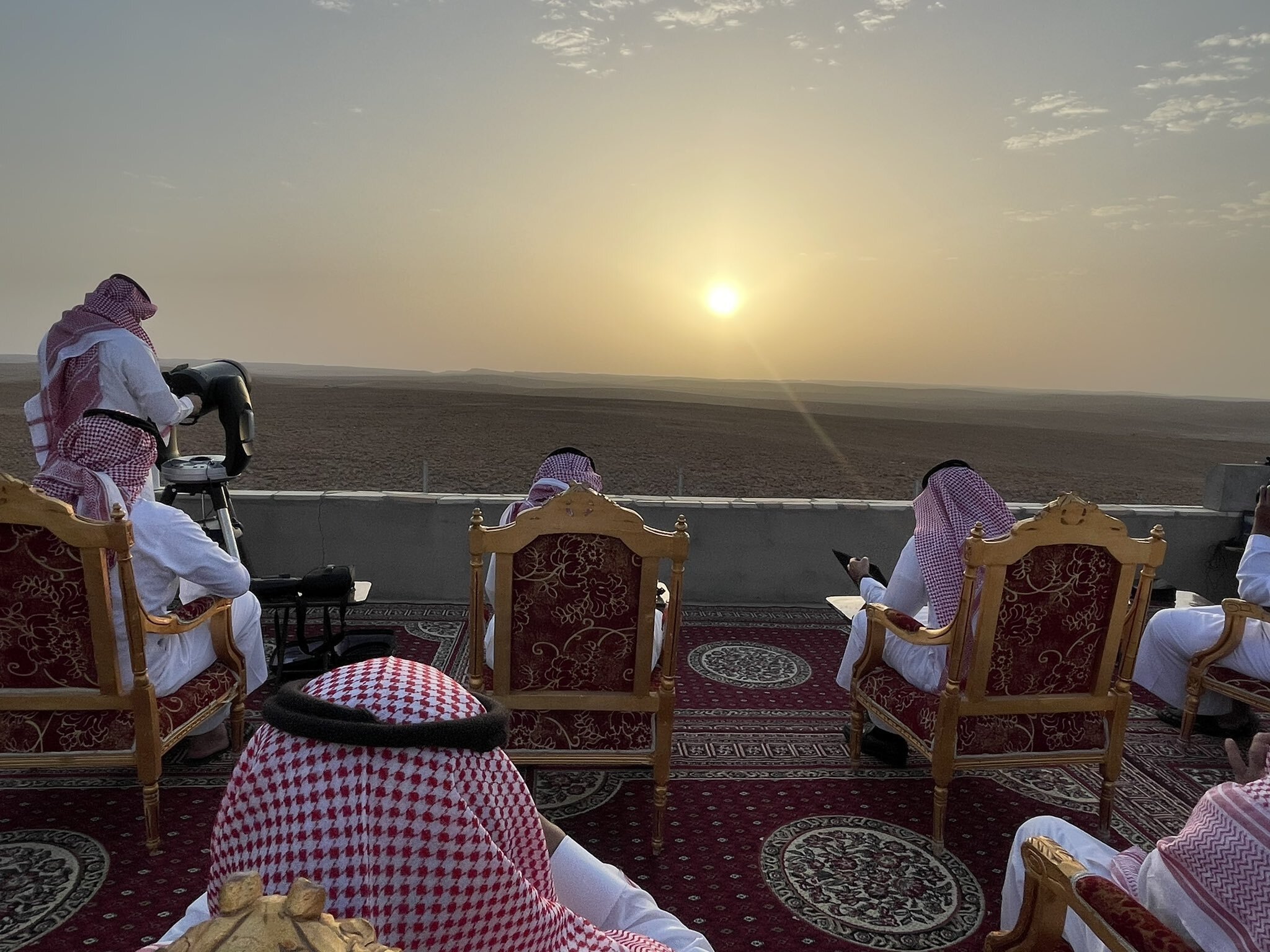
The Official Declaration of the Dhul Hijjah Moon Sighting
In Islam, the beginning of every month is determined by the sighting of the new moon. The Dhul Hijjah moon sighting is unique because it dictates the precise timing of the "Day of Arafah" and the "Greatest Day of Sacrifice." According to authentic narrations, the first ten days of this month are superior even to the days of Ramadan.
On the evening of **Sunday, May 17, 2026** (29th of Dhul Qadah 1447 AH), astronomical centers and specialized moon-sighting committees across Saudi Arabia successfully sighted the new crescent moon. Consequently, the Supreme Court of Saudi Arabia officially declared the commencement of the holy month.

Official Lunar Calendar for Dhul Hijjah 1447 AH (May 2026)
| Event | Confirmed Date (Gregorian) | Islamic Date (Hijri) |
|---|---|---|
| Moon Sighting Evening | Sunday, May 17, 2026 | 29 Dhul Qadah 1447 |
| 1st of Dhul Hijjah | Monday, May 18, 2026 | 1 Dhul Hijjah 1447 |
| Hajj Pilgrimage Begins | Monday, May 25, 2026 | 8 Dhul Hijjah 1447 |
| Day of Arafah | Tuesday, May 26, 2026 | 9 Dhul Hijjah 1447 |
| Eid al-Adha | Wednesday, May 27, 2026 | 10 Dhul Hijjah 1447 |
The Science and Tradition Behind the Sightings
The sighting of the moon depends on key astronomical factors: the lunar age, altitude above the horizon, and elongation (the angular separation between the sun and the moon). While modern metrics calculate the astronomical conjunction with total precision, Islamic tradition relies heavily on physical Ru'yah (visual sighting) to officially establish the month.
For those looking for a deeper understanding of Islamic timing, remember that a lunar month spans either 29 or 30 days. Because the crescent was successfully spotted on the 29th night of Dhul Qadah (May 17), the previous month concluded without needing a 30th day.
The Role of Saudi Arabia and Global Committees
Since the main rites of Hajj occur across Mecca, Mina, and Arafah, the Supreme Court of Saudi Arabia makes the definitive global ruling regarding the Dhul Hijjah moon sighting. A vast majority of international communities align with the Saudi announcements to preserve global unity for the Day of Arafah. Concurrently, regional committees in places like Pakistan, India, and Morocco manage local visual horizons, which can occasionally create minor, localized date variances.
Virtues of the First 10 Days of Dhul Hijjah
Fasting on Arafah
Fasting on the 9th day (May 26) expiates the sins of the previous year and the year to come for non-pilgrims.
Increased Dhikr
The Prophet (PBUH) encouraged saying SubhanAllah, Alhamdulillah, and Allahu Akbar frequently during these ten days.
During this period, Muslims engage in abundant charity, voluntary fasting, and extra prayers. If you are planning to perform the Qurbani (sacrifice), it is an established Sunnah to refrain from cutting your hair or clipping your nails from the moment the **Dhul Hijjah moon sighting** is confirmed until your sacrifice is offered. Read our comprehensive Qurbani guidelines and ethics here.
Practical Tips for Moon Sighting
- Find an Unobstructed Horizon: Scan the western sky shortly after twilight.
- Utilize Tools: Digital software like Stellarium or SkyView can orient you with the exact path of the moon's track.
- Coordinate with Local Authorities: Join community groups to properly relay verified visual testimonies to your local judiciary boards.
- Exercise Patience: The young crescent (Hilal) is incredibly thin and usually sets within 20 to 30 minutes following sunset.
Why the Islamic Calendar Shifts Annually
Because the Islamic lunar year is roughly 11 days shorter than the standard Gregorian solar cycle, calendar months cycle backward through the seasonal year. This natural rotation ensures that religious observances like Hajj and fasting cycle through different weather conditions over a standard 33-year timeframe.
"There are no days in which righteous deeds are more beloved to Allah than these ten days." — Prophet Muhammad (PBUH)