
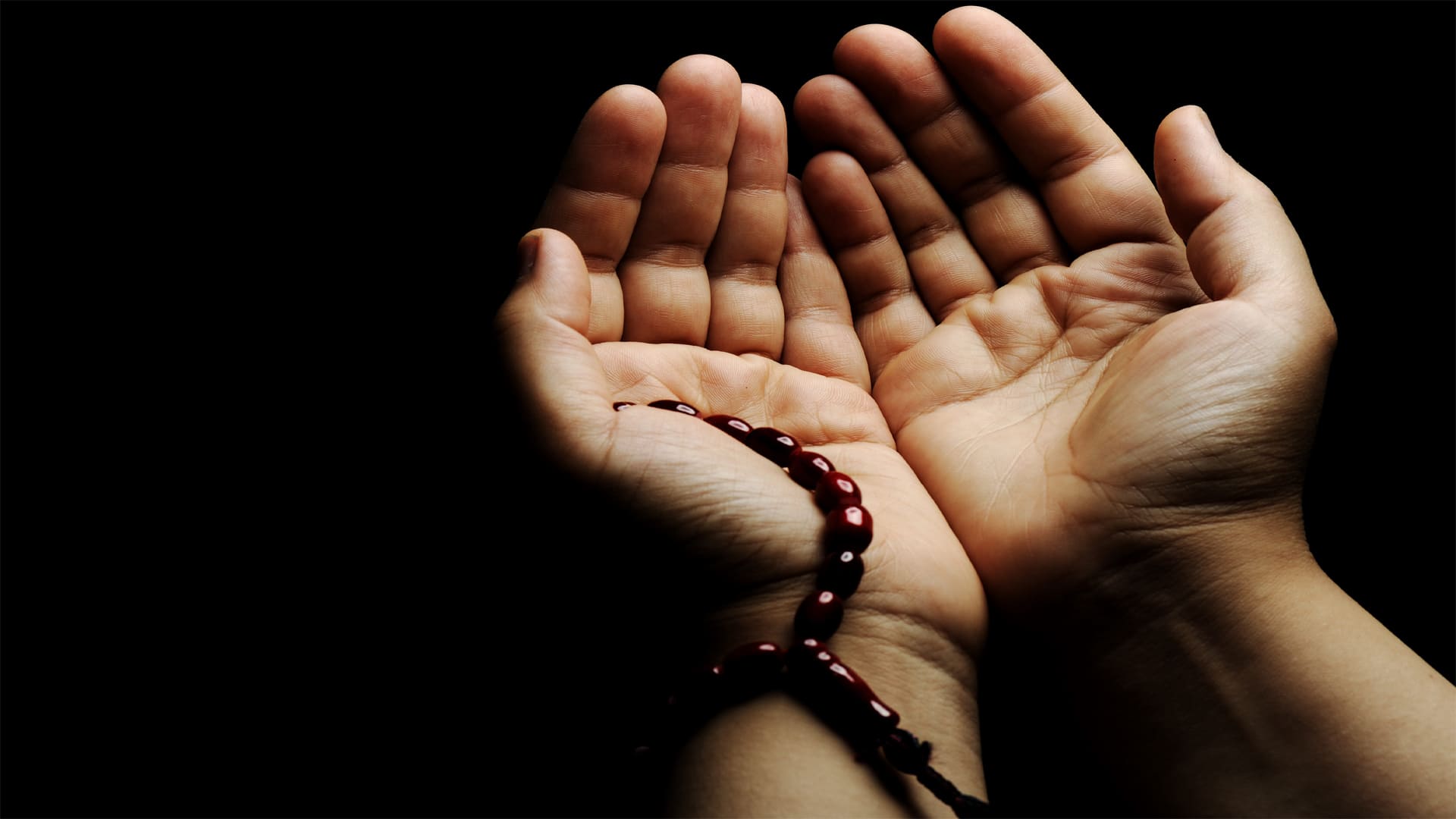
Introduction: Why Ramadan Supplications Matter
Ramadan is the most spiritually charged month in the Islamic calendar. It is a time when hearts soften, intentions are renewed, and believers strive to reconnect with Allah through worship, fasting, charity, and-most importantly-supplication (dua). Ramadan supplications are not mere rituals; they are intimate conversations with Allah, expressing hope, repentance, gratitude, and reliance.
The Prophet Muhammad (SAW) emphasized the centrality of dua in worship, teaching that it is the core of a believer’s relationship with Allah. During Ramadan, when mercy is abundant and rewards are multiplied, supplications take on even greater significance. This article explores the meaning, importance, timing, and practical use of Ramadan supplications, helping you make the most of this blessed month.
What Are Ramadan Supplications?
Ramadan supplications are heartfelt prayers made to Allah during the month of fasting. While dua can be made at any time and in any language, Ramadan is unique because it combines fasting, prayer, and heightened spiritual awareness-conditions under which supplications are especially likely to be accepted.
These supplications may include:
-
Asking for forgiveness and mercy
-
Seeking guidance and steadfastness
-
Praying for family, community, and the Ummah
-
Requesting success in worship and good character
Ramadan supplications are not limited to specific phrases. Authentic duas from the Qur’an and Sunnah are encouraged, but personal supplications from the heart are equally valued.
The Spiritual Power of Supplication During Ramadan
Ramadan teaches patience, humility, and dependence on Allah. Fasting weakens the body but strengthens the soul, making the heart more receptive to sincere dua. When hunger and thirst remind us of our dependence, supplication becomes more meaningful and focused.
One of the greatest virtues of Ramadan supplications is that the dua of a fasting person is not rejected. This promise encourages believers to turn to Allah consistently throughout the day and night, trusting that He hears every whisper and intention.
Best Times for Ramadan Supplications
1. Before Iftar (Breaking the Fast)
Arabic:
اللَّهُمَّ لَكَ صُمْتُ وَعَلَىٰ رِزْقِكَ أَفْطَرْتُ
Transliteration:
Allahumma laka sumtu wa ‘ala rizqika aftartu.
Meaning:
O Allah, for You I have fasted, and with Your provision I break my fast.
The moments just before iftar are among the most powerful times for dua. After a day of fasting, sincerity is at its peak, and supplications made at this time carry immense reward.
2. During Suhoor (Pre-Dawn Meal)
Waking up for suhoor is itself an act of worship. The quiet hours before Fajr are ideal for private supplications, reflection, and seeking forgiveness.
3. After Obligatory Prayers
Making dua after the five daily prayers helps maintain consistency and strengthens one’s spiritual routine throughout Ramadan.
4. During the Last Third of the Night
This is a special time when Allah’s mercy descends, and sincere supplications are accepted. Night prayers (Qiyam or Tahajjud) combined with dua are especially powerful in Ramadan.
5. Laylatul Qadr (The Night of Decree)
Found in the last ten nights of Ramadan, Laylatul Qadr is better than a thousand months. Supplications made on this night carry unmatched reward.
Essential Ramadan Supplications and Their Themes
Supplications for Forgiveness
Forgiveness is at the heart of Ramadan. Believers repeatedly ask Allah to pardon past sins, conceal faults, and grant a fresh start. Seeking forgiveness purifies the heart and strengthens faith.
Supplications for Guidance and Steadfastness
Ramadan is not only about temporary change but long-term transformation. Supplications for guidance help believers remain steadfast after Ramadan ends.
Supplications for Mercy and Protection
Asking Allah for mercy in this life and the next, and for protection from harm and punishment, is a central theme of Ramadan supplications.
Supplications for Family and Community
Ramadan encourages collective well-being. Making dua for parents, children, neighbors, and the global Muslim community reflects compassion and unity.
How to Make Ramadan Supplications More Effective
1. Begin with Praise and Gratitude
Start your dua by praising Allah and thanking Him for His blessings. Gratitude opens the doors of acceptance.
2. Send Blessings Upon the Prophet (SAW)
Including salutations upon the Prophet before and after supplication is a recommended practice that enhances acceptance.
3. Be Specific and Sincere
Ask clearly and sincerely. Allah loves honesty and humility in supplication.
4. Maintain Consistency
Rather than making long duas once, short and regular supplications throughout Ramadan build a stronger connection.
5. Trust Allah’s Wisdom
Acceptance may come in different forms-immediate, delayed, or replaced with something better. Trust Allah’s plan.
Ramadan Supplications in Any Language
While many Muslims prefer Arabic supplications, Allah understands all languages. What matters most is sincerity and intention. Personal duas in your own words are not only allowed but encouraged, especially when expressing deep emotions or personal struggles.
Common Mistakes to Avoid When Making Dua
-
Rushing through supplications without reflection
-
Limiting dua to only personal needs
-
Losing hope if results are not immediate
-
Forgetting gratitude and praise
Avoiding these mistakes helps make Ramadan supplications more meaningful and impactful.
Ramadan Supplications and Long-Term Spiritual Growth
One of the greatest goals of Ramadan is lasting change. Supplications should not end with the month. By developing a habit of regular dua in Ramadan, believers can carry this spiritual discipline throughout the year, strengthening faith and resilience.
Frequently Asked Questions (FAQs)
Are Ramadan supplications always accepted?
Allah promises acceptance, but it may come in different forms-what we ask for, something better, or protection from harm.
Can I make Ramadan supplications in my own language?
Yes. Allah understands all languages, and sincerity is more important than wording.
Is there a fixed list of Ramadan supplications?
No. While authentic duas are recommended, personal supplications are equally valid.
When is the best time to make dua in Ramadan?
Before iftar, during the last third of the night, after prayers, and on Laylatul Qadr are especially powerful times.
Conclusion
Ramadan supplications are a gateway to mercy, forgiveness, and spiritual renewal. They remind us that no matter how heavy our burdens or how distant we may feel, Allah is always near and ready to listen. By making sincere dua throughout Ramadan, we strengthen our faith and lay the foundation for a more mindful, purposeful life beyond the holy month.

