

Introduction: Understanding “Ramadan Kareem”

Ramadan Kareem is one of the most widely used greetings among Muslims around the world during the holy month of Ramadan. The phrase combines Arabic and Islamic tradition, expressing generosity, blessings, and spiritual goodwill. As Ramadan approaches each year, millions of people search online for the meaning of Ramadan Kareem, beautiful images, heartfelt wishes, greeting cards, and messages to share with loved ones.
Ramadan is not just a month of fasting from dawn to sunset; it is a sacred period dedicated to spiritual purification, worship, charity, patience, and self-discipline. Greeting one another with “Ramadan Kareem” is a way of spreading kindness, strengthening bonds, and acknowledging the blessings of this sacred month.
What Does Ramadan Kareem Mean?

The phrase Ramadan Kareem comes from Arabic and literally means “Generous Ramadan.” The word Kareem means generous, noble, or bountiful. When Muslims say Ramadan Kareem, they are acknowledging that Ramadan is a month filled with Allah’s generosity, mercy, forgiveness, and countless opportunities for good deeds.
In Islamic tradition, Ramadan is a time when the rewards for worship, charity, and good actions are multiplied. Fasting, praying, reading the Quran, giving sadaqah, and helping others are all especially encouraged. By saying Ramadan Kareem, Muslims express hope that Allah’s generosity will reach everyone during this blessed month.
The greeting is commonly used at the beginning of Ramadan, throughout the month, and even in formal announcements, social media posts, emails, and greeting cards.
Is Ramadan Kareem Islamic ally Appropriate?

There has been scholarly discussion about the use of Ramadan Kareem versus Ramadan Mubarak. Some scholars prefer Ramadan Mubarak, which means “Blessed Ramadan,” because blessings come directly from Allah, whereas generosity is a quality attributed to Allah rather than the month itself.
However, many respected scholars allow the use of Ramadan Kareem as a permissible and culturally accepted greeting, as the intention is to honor the sacred month and pray for goodness. According to Islamic sources such as IslamQA and Dar al-Ifta, both greetings are acceptable when used with good intentions and respect for Islamic teachings.
See more: 100+ Happy Ramadan Mubarak Wishes and Greeting Messages
The Spiritual Significance of Ramadan

To understand why Ramadan Kareem carries such deep meaning, it is important to understand the spiritual significance of Ramadan itself.
Ramadan is the ninth month of the Islamic lunar calendar and commemorates the revelation of the Quran to Prophet Muhammad (peace be upon him). Allah says in the Quran:
“Ramadan is the month in which the Qur’an was revealed, a guidance for mankind and clear proofs of guidance and the criterion.” (Quran 2:185)
During this month, Muslims fast from dawn to sunset, refraining from food, drink, and sinful behavior. Fasting is not merely physical; it is a spiritual discipline that encourages patience, gratitude, humility, and closeness to Allah.
Ramadan is also known as the month of mercy, forgiveness, and salvation from Hellfire. The Prophet Muhammad (peace be upon him) said:
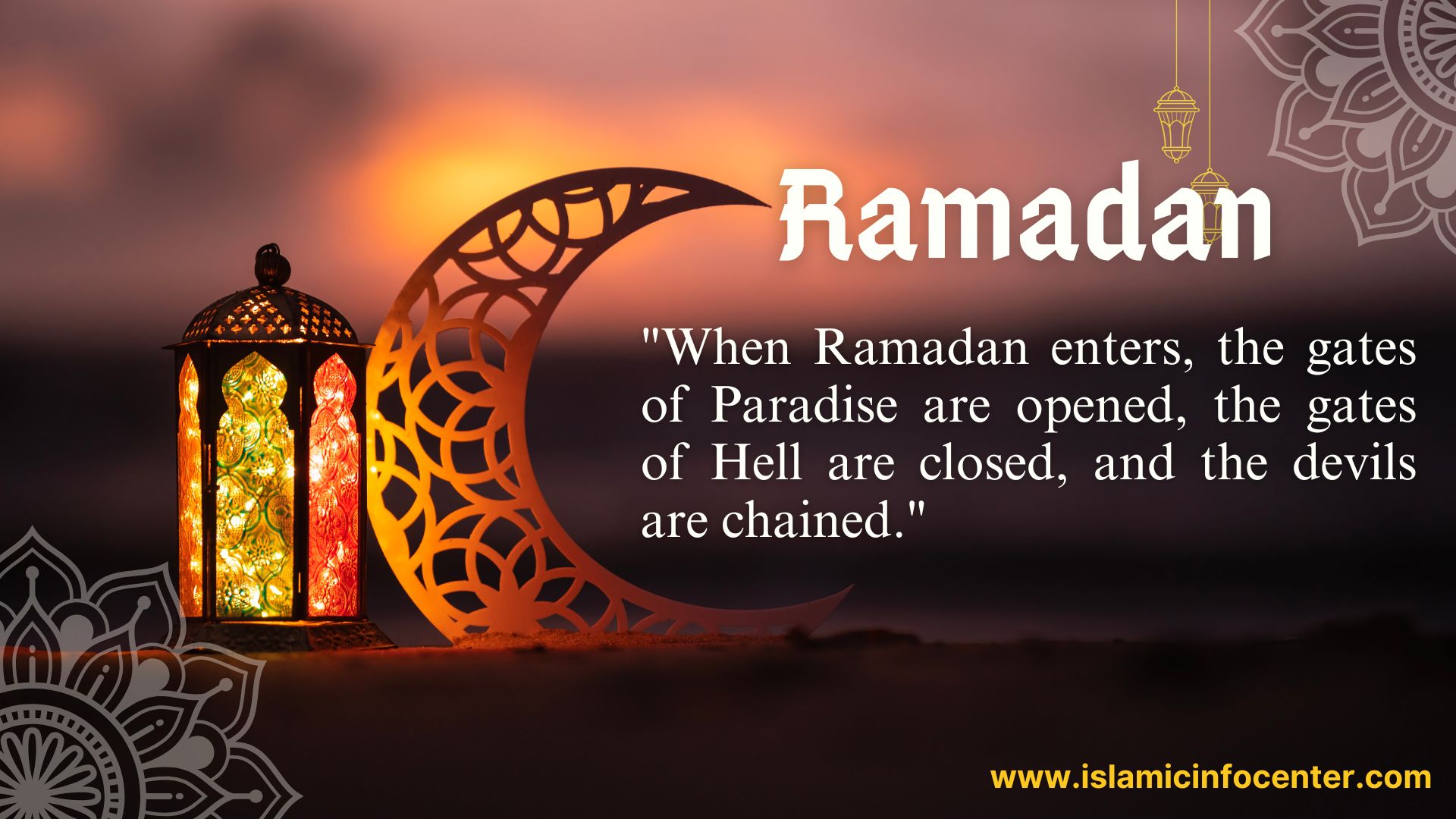
“When Ramadan comes, the gates of Paradise are opened, the gates of Hell are closed, and the devils are chained.” (Bukhari and Muslim)
By saying Ramadan Kareem, Muslims are reminding one another of these immense blessings and encouraging each other to make the most of this sacred time.
Ramadan Kareem vs Ramadan Mubarak: What’s the Difference?

Both greetings are widely used, but they carry slightly different meanings.
Ramadan Kareem emphasizes the generosity and abundance of blessings during Ramadan. It reflects the idea that this month is filled with divine generosity, increased rewards, and spiritual opportunities.
Ramadan Mubarak means “Blessed Ramadan” and focuses on the blessings and barakah that Allah grants during this month.
From an Islamic perspective, both expressions are acceptable and convey positive meanings. Many Muslims use them interchangeably depending on cultural preference, regional usage, or personal choice.
How to Respond to Ramadan Kareem

When someone greets you with Ramadan Kareem, it is customary to respond politely and warmly. Common responses include:
Ramadan Kareem to you too.
Ramadan Mubarak.
May Allah accept our fasting and prayers.
May this Ramadan bring you peace and blessings.
Responding kindly reflects Islamic manners and strengthens social bonds during this sacred month.
Ramadan Kareem Images: Meaningful Visual Greetings

In today’s digital age, Ramadan Kareem images are widely shared on social media platforms, websites, messaging apps, and email newsletters. These images often feature crescent moons, lanterns, mosques, Quran verses, prayer mats, dates, and Islamic calligraphy.
Ramadan Kareem images serve several purposes. They visually express goodwill and respect for the holy month. They help spread awareness and positivity. They also provide a beautiful and culturally meaningful way to greet friends, family, colleagues, and online communities.
When choosing or designing Ramadan Kareem images, it is important to ensure they are respectful, culturally appropriate, and aligned with Islamic values. Avoid imagery that conflicts with Islamic teachings or misrepresents the spirit of Ramadan.
High-quality Ramadan Kareem images can be used for:
Social media posts and stories.
Website banners and blog headers.
WhatsApp, Messenger, and SMS greetings.
Email campaigns and newsletters.
Printable greeting cards.


For free Ramadan Kareem images, you can explore platforms:
Ramadan Kareem Wishes: Heartfelt Messages for Everyone

Ramadan Kareem wishes are expressions of love, prayer, and goodwill. They can be short and simple or long and heartfelt, depending on the relationship and context. These wishes help strengthen bonds, encourage spiritual growth, and spread positivity during the holy month.
Below are examples of Ramadan Kareem wishes written in a warm, respectful tone.
- Ramadan Kareem to you and your family. May Allah fill your home with peace, your heart with faith, and your life with blessings throughout this holy month.
- Wishing you a generous Ramadan filled with mercy, forgiveness, and countless rewards. May your prayers be accepted and your fasts be easy.
- Ramadan Kareem. May this sacred month bring you closer to Allah and strengthen your Iman.
- As Ramadan begins, I pray that Allah grants you good health, abundant rizq, and spiritual success. Ramadan Kareem.
- May the light of Ramadan guide your heart, your actions, and your intentions. Ramadan Kareem to you and your loved ones.
These wishes can be shared in person, via text messages, on social media, or inside greeting cards.
Ramadan Kareem Messages for Family, Friends, and Colleagues

Ramadan Kareem messages can be personalized based on the recipient. Writing thoughtful messages shows sincerity and strengthens relationships. Below are examples tailored to different audiences.
Ramadan Kareem Messages for Family

Ramadan Kareem, dear family. May Allah bless our home with love, unity, and faith. May we grow closer to Him and to one another during this holy month.
To my beloved parents, Ramadan Kareem. May Allah grant you health, happiness, and endless rewards for all that you do. Your prayers mean everything to me.
Ramadan Kareem to my children. May Allah guide your hearts, protect your faith, and fill your lives with goodness.
Ramadan Kareem Messages for Friends

Ramadan Kareem, my dear friend. May this month bring peace to your heart, strength to your faith, and blessings to your life.
Wishing you a beautiful and generous Ramadan filled with spiritual growth and divine mercy. Ramadan Kareem.
May Allah accept your fasting, prayers, and good deeds. Ramadan Kareem to you and your family.
Ramadan Kareem Messages for Colleagues and Professional Contacts

Ramadan Kareem. Wishing you a peaceful and productive month filled with blessings and success.
May this holy month bring you clarity, patience, and continued professional growth. Ramadan Kareem.
Best wishes for a generous Ramadan. May your efforts be rewarded and your goals be achieved.
Using respectful and inclusive language in professional settings reflects good character and cultural awareness.
Ramadan Kareem Text Messages for WhatsApp and SMS
Short and meaningful Ramadan Kareem text messages are ideal for quick greetings. These messages are often shared at the beginning of Ramadan or throughout the month.
Ramadan Kareem. May Allah bless you and your family with peace and faith.
Wishing you a generous Ramadan filled with mercy and forgiveness.
Ramadan Kareem. May your fasts be accepted and your prayers answered.
May Allah shower His blessings upon you this Ramadan. Ramadan Kareem.
Ramadan Kareem to you and your loved ones.
These short messages are easy to share and still convey warmth and sincerity.
Ramadan Kareem Greeting Cards: Traditional and Digital
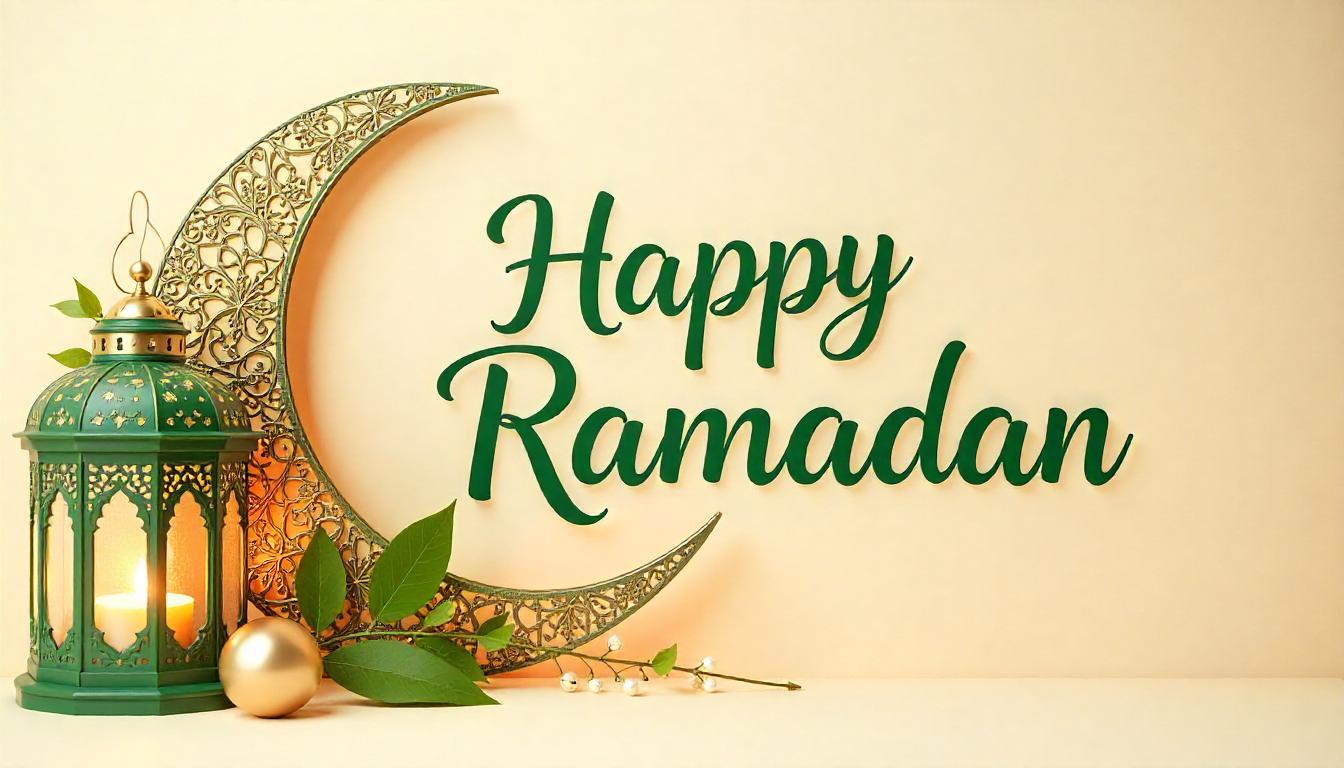
Greeting cards have long been a meaningful way to express goodwill during special occasions. Ramadan Kareem greeting cards combine tradition with modern creativity, offering a tangible or digital way to share blessings and prayers.
Traditional printed cards are often exchanged among family members, friends, and community members, especially in regions where gifting cards remains a strong cultural practice. These cards typically feature Islamic art, calligraphy, Quranic verses, and heartfelt messages.
Digital greeting cards have become increasingly popular due to convenience and accessibility. They can be shared instantly via email, messaging apps, and social media. Many websites and apps allow users to customize Ramadan Kareem cards with personal messages, photos, and designs.
Whether printed or digital, a Ramadan Kareem greeting card carries emotional and spiritual value. It shows effort, thoughtfulness, and respect for Islamic traditions.
How to Write a Meaningful Ramadan Kareem Card Message

Writing a meaningful Ramadan Kareem card message requires sincerity, respect, and clarity. A well-written message reflects your relationship with the recipient and the spiritual significance of the month.
Start by greeting the recipient warmly. Acknowledge the importance of Ramadan. Offer a prayer or dua for their well-being. End with a kind closing.
For example:
Ramadan Kareem. May Allah fill your heart with peace, your home with blessings, and your life with guidance throughout this holy month. Wishing you a spiritually uplifting Ramadan.
This structure ensures the message feels complete, respectful, and emotionally meaningful.
Ramadan Kareem in Different Cultures and Languages
While the phrase Ramadan Kareem is Arabic, Muslims from diverse cultures and languages use it worldwide. Each culture may combine it with local expressions or greetings.
In English-speaking communities, Ramadan Kareem is commonly used alongside phrases like “Happy Ramadan” or “Blessed Ramadan.” In South Asian cultures, it may be paired with Urdu, Bengali, or Hindi greetings. In African, Southeast Asian, and European Muslim communities, it is often used in both Arabic and local languages.
This global usage reflects the unity of the Muslim ummah and the universal significance of Ramadan.
The Role of Ramadan Kareem in Strengthening Community Bonds
Greetings like Ramadan Kareem play an important role in building and strengthening community bonds. They encourage kindness, mutual respect, and social harmony. In mosques, schools, workplaces, and neighborhoods, these greetings create a sense of shared purpose and spiritual connection.
During Ramadan, Muslims are encouraged to give charity, feed the hungry, visit the sick, and support one another. Greeting others warmly is a simple yet powerful act of kindness that aligns with Islamic values.
The Prophet Muhammad (peace be upon him) said:
“You will not enter Paradise until you believe, and you will not believe until you love one another. Shall I tell you something that, if you do it, you will love one another? Spread peace among yourselves.” (Muslim)
Saying Ramadan Kareem is one way of spreading peace and goodwill.
Ramadan Kareem and Social Media: Best Practices
Social media has become one of the most popular platforms for sharing Ramadan Kareem greetings, images, and messages. To ensure your posts are meaningful and respectful, consider the following best practices.
Use authentic and respectful language. Avoid exaggeration or inappropriate humor. Share high-quality images that reflect Islamic values. Include meaningful captions or duas. Avoid posting content that contradicts the spirit of Ramadan, such as inappropriate entertainment or materialism.
Hashtags such as #RamadanKareem, #RamadanMubarak, #BlessedRamadan, and #Ramadan2026 can help your content reach a wider audience. However, focus on quality and sincerity rather than trends alone.
Ramadan Kareem and Children: Teaching Respect and Faith
Teaching children about Ramadan Kareem helps instill Islamic values from an early age. Parents and educators can explain the meaning of the greeting, the significance of Ramadan, and the importance of kindness and generosity.
Children can be encouraged to make handmade greeting cards, send messages to relatives, and participate in family iftar gatherings. These activities help them develop a sense of belonging and appreciation for Islamic traditions.
Explaining Ramadan Kareem in simple terms helps children understand that Ramadan is a special time for worship, helping others, and becoming better Muslims.
Ramadan Kareem and Non-Muslims: Cultural Sensitivity
Many non-Muslims encounter Ramadan Kareem through friends, colleagues, neighbors, or online content. Using or responding to this greeting respectfully demonstrates cultural awareness and inclusivity.
Non-Muslims who wish to greet Muslim friends during Ramadan can say Ramadan Kareem or Ramadan Mubarak as a sign of respect and goodwill. This gesture is often appreciated and strengthens interfaith relationships.
Educating non-Muslims about the meaning of Ramadan Kareem also promotes mutual understanding and social harmony.
Islamic Etiquette and Authenticity in Ramadan Greetings
Islamic etiquette emphasizes sincerity, humility, and respect in all interactions. When using Ramadan Kareem, it is important to avoid empty phrases and instead accompany the greeting with genuine good intentions.
Authenticity in greetings reflects sincerity of heart, which is highly valued in Islam. A simple, heartfelt Ramadan Kareem is more meaningful than a long message without sincerity.
Trustworthy Islamic sources such as the Quran, Hadith, and scholarly works guide Muslims in maintaining proper etiquette during Ramadan and beyond.
FAQs About Ramadan Kareem
What does Ramadan Kareem mean?
Ramadan Kareem means “Generous Ramadan” and is a greeting used to acknowledge the blessings, mercy, and generosity of Allah during the holy month of Ramadan.
Is it correct to say Ramadan Kareem in Islam?
Yes, many scholars consider Ramadan Kareem an acceptable greeting, as it reflects the generosity and blessings of the month. Ramadan Mubarak is also commonly used.
How do you respond to Ramadan Kareem?
You can respond with Ramadan Kareem, Ramadan Mubarak, or a dua such as “May Allah accept our fasting and prayers.”
Can non-Muslims say Ramadan Kareem?
Yes, non-Muslims can say Ramadan Kareem as a respectful and kind gesture toward Muslim friends, colleagues, and neighbors.
What are the best Ramadan Kareem wishes to send?
The best wishes are sincere, respectful, and meaningful. Examples include prayers for peace, forgiveness, good health, and acceptance of worship.
Where can I find Ramadan Kareem images and greeting cards?
You can find high-quality Ramadan Kareem images and greeting cards on platforms such as Unsplash, Pexels, Freepik, and various Islamic websites.
Is Ramadan Kareem used throughout Ramadan or only at the beginning?
Ramadan Kareem can be used at the beginning of Ramadan and throughout the month as a general greeting and expression of goodwill.
What is the difference between Ramadan Kareem and Ramadan Mubarak?
Ramadan Kareem means “Generous Ramadan,” while Ramadan Mubarak means “Blessed Ramadan.” Both are widely used and acceptable.
Can Ramadan Kareem be used in professional settings?
Yes, Ramadan Kareem is appropriate in professional settings when used respectfully and inclusively.
How can I teach children the meaning of Ramadan Kareem?
You can explain it in simple language, involve them in making greeting cards, and encourage them to share kind messages with family and friends.
Conclusion: Share the Spirit of Ramadan Kareem
Ramadan Kareem is more than just a greeting. It is a reflection of faith, generosity, mercy, and unity. By understanding its meaning and using it sincerely, you contribute to spreading kindness, strengthening relationships, and honoring the sacredness of Ramadan.
Whether you share Ramadan Kareem images, wishes, messages, or greeting cards, your words can uplift hearts and inspire others to embrace the spiritual beauty of this holy month.

