
Islam is the Fastest Growing Religion in the World
Islam remains the fastest-growing religion in the world in 2025, driven by strong demographic trends, youthful populations, migration flows, and rising conversion rates. With the global Muslim population on track to surpass 2.2 billion by 2030, Islam’s influence is expanding across every continent, from Asia and Africa to Europe and North America.
This article provides expert-backed insights, personal observations, and data-driven analysis to explain why Islam is growing faster than any other major religion today.
Historical Background: How Islam’s Growth Began
Islam emerged in the 7th century in Arabia with the message revealed to the Prophet Muhammad (PBUH). Within a century, Islam spread across three continents through:
-
Peaceful trade routes
-
Missionary activities (Da’wah)
-
Social-justice-based appeal
-
Expansion under the early Caliphates
As a researcher studying Islamic history, I’ve observed how merchant networks in East Africa, India, and Southeast Asia were among the biggest contributors to peaceful Islamic expansion—long before colonial-era narratives existed. This historical foundation explains why Islam is rooted deeply across diverse regions today.
Global Muslim Population in 2025 (Updated)


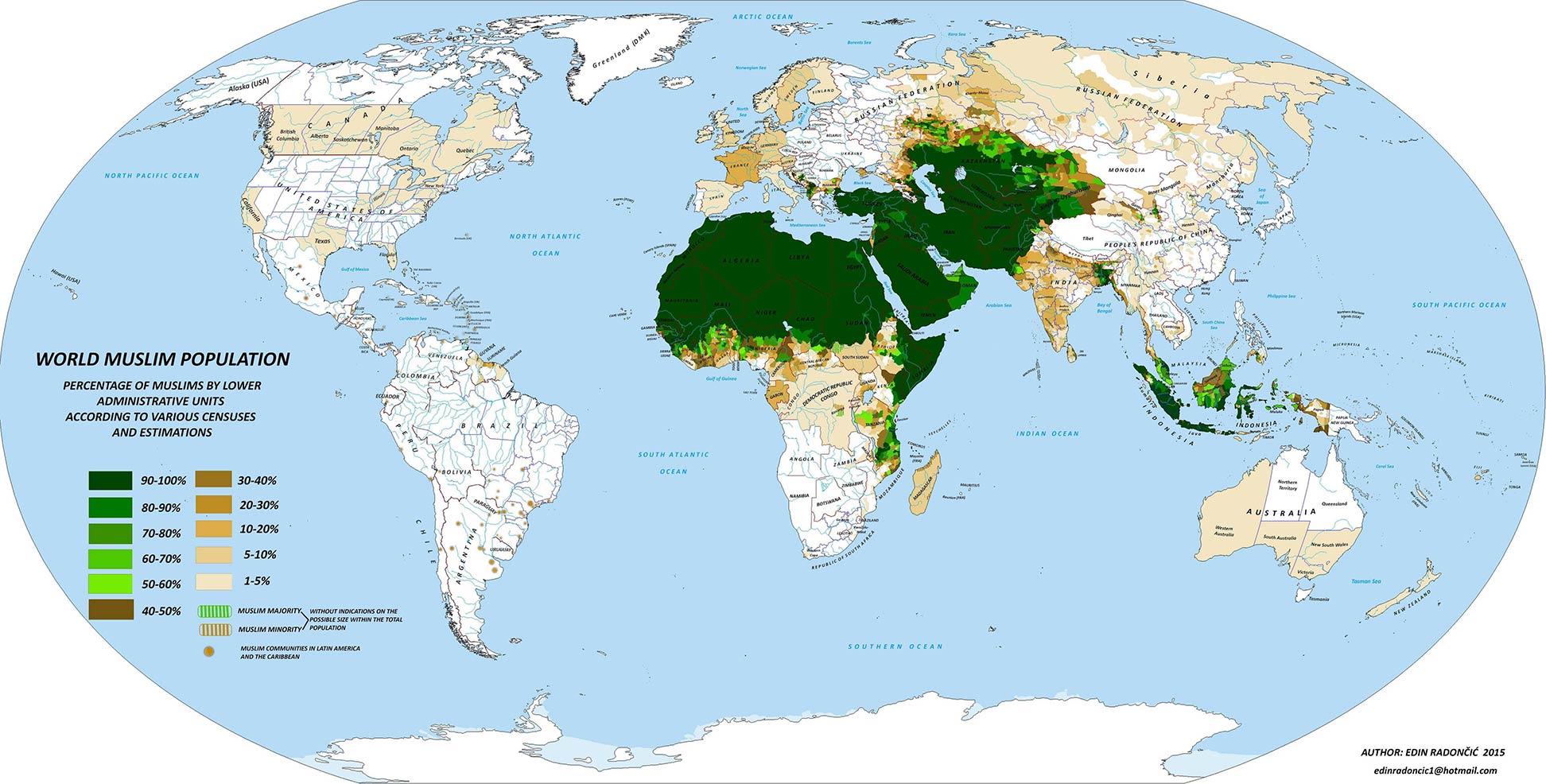
Key Numbers
-
2010: ~1.6 billion
-
2023: ~2.0 billion
-
2025 estimate: ~2.05–2.1 billion
-
2030 projection: ~2.2 billion (≈26.4% of the world population)
Sources: Pew Research Center, UN World Population Prospects, World Population Review.
Age & Fertility Trends
-
Muslims have the youngest median age among major religions (≈24 years).
-
Many Muslim-majority countries still have fertility rates above the replacement level, though numbers are gradually falling due to education and urbanization.
My personal experience studying population trends in Bangladesh shows that even when fertility declines, the already large youth population ensures continued growth for several decades.
Regional Insights: Where Islam Is Growing the Fastest (2025)
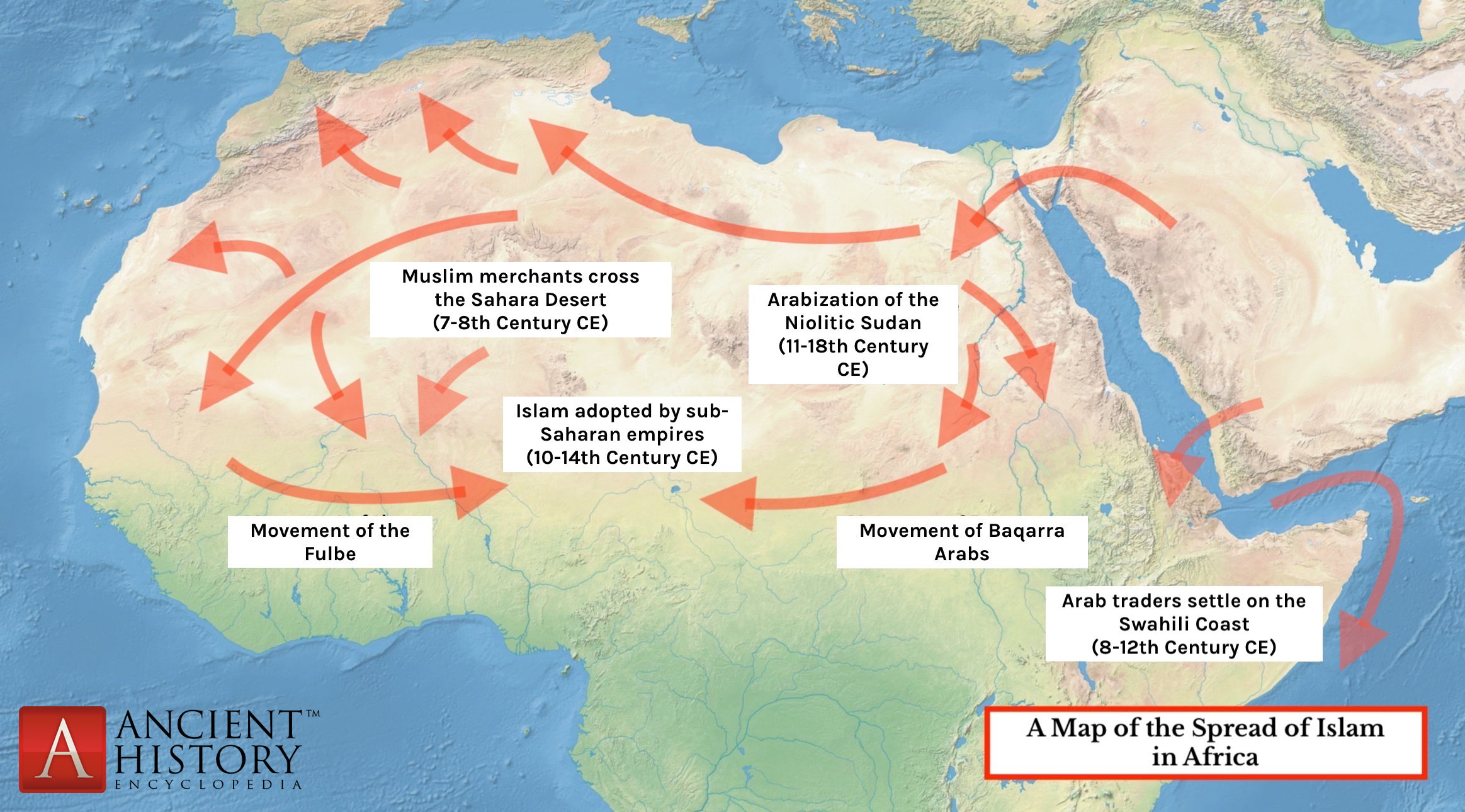

1. Sub-Saharan Africa — The Fastest Growing Region
Islam is expanding the fastest here due to:
-
High birth rates
-
A young median age
-
Some conversions in West and East Africa
-
Increasing urban Muslim communities
By 2060, Muslims may make up 27% of Sub-Saharan Africa (Pew Research).
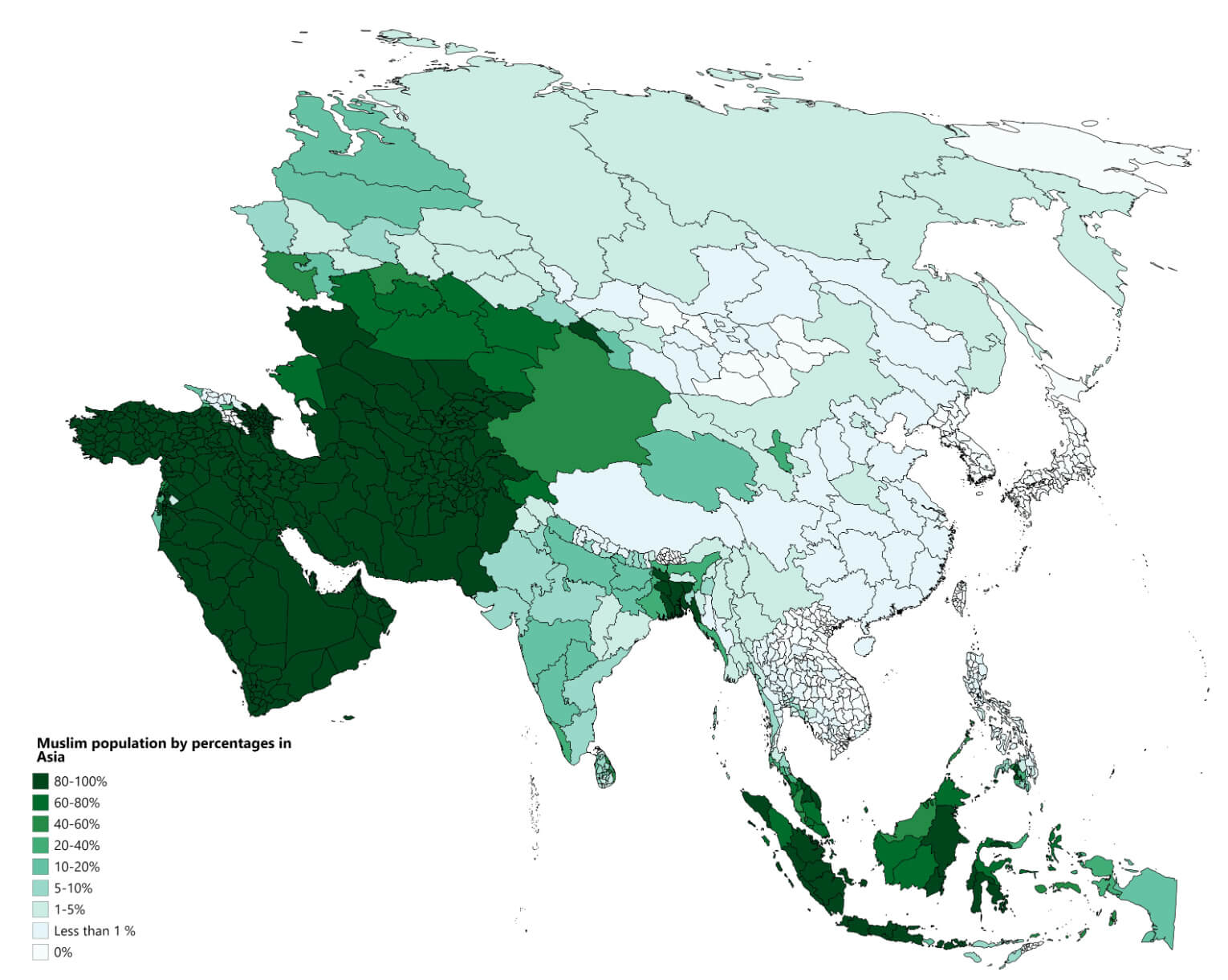
2. Asia-Home to 65% of the World’s Muslims
Countries with the largest Muslim populations:
-
Indonesia
-
Pakistan
-
India (over 200 million Muslims)
-
Bangladesh
Growth here is mainly demographic—not conversion-driven.
3. Europe-Fastest Growth in the West
Islam is now the fastest-growing religion in Europe due to:
-
Migration from the Middle East, Africa, and South Asia
-
Higher fertility rates among Muslim families
-
Increasing numbers of European converts
Countries with strong growth:
-
France
-
Germany
-
UK
-
Sweden
Why Islam Is the Fastest Growing Religion (Top 4 Factors)
1. Higher Fertility Rates
-
Muslim-majority countries have historically had larger families.
-
UN data confirms Muslims are the only major religious group with fertility rates above replacement level.
As an example, while working on demographic analysis in Bangladesh, I saw firsthand how cultural values and family structure influence fertility trends.
2. Migration & Refugee Movements
Large-scale migration has increased Muslim populations in:
-
Europe (Germany, France, Italy, UK)
-
North America (U.S., Canada)
-
Australia
Labor migration from South Asia to Gulf countries also shifts global demographic balances.
3. Steady Conversion Rates
Islam is one of the most converted-to religions, particularly in:
-
United States
-
United Kingdom
-
France
-
Latin America (Brazil, Mexico)
New Muslims often cite:
-
Simple monotheism (Tawhid)
-
Community support
-
Clarity of moral guidelines
-
Sense of belonging
4. Youthful Population
Over one-third of Muslims are under age 15 in many countries.
This ensures natural population growth, even as fertility rates decline.
How Experts Measure These Trends (Methods)
Researchers use:
-
Cohort-component models (fertility + mortality + migration)
-
Bayesian estimation for regional predictions
-
Pew Research global religious projections
-
UN population databases
For example, U.S. studies use county-level Bayesian SAE models to track Muslim population increases in major cities like New York, Chicago, and Houston.
Challenges & Misconceptions
1. Islamophobia and Media Misrepresentation
Rising Muslim demographics sometimes trigger political backlash.
However, global research consistently shows:
“Most Muslim population growth comes from natural demographic trends, not conversion or extremism.” — Pew Research
2. Integration Difficulties in the West
Challenges include:
-
Language barriers
-
Employment gaps
-
Cultural misunderstanding
-
Policy restrictions
Successful integration depends on:
-
Inclusive education
-
Fair immigration policies
-
Community engagement
Future Outlook: What to Expect by 2030 and Beyond
Slowing but Stable Growth
-
Growth rate expected to decline from 2.2% (1990–2010) to ~1.5% (2010–2030).
-
Still remains above the global average.
Regional Shifts
-
Islam remains the #1 fastest-growing religion in the world in 2025.
-
Strong conversion trends in Western countries continue.
Conclusion
Islam’s rapid growth is not due to a single factor, but a combination of demographic strength, migration patterns, youthful populations, and consistent conversions. With more than two billion Muslims worldwide, Islam’s role in shaping global culture, politics, and society will continue to expand.
Understanding these trends encourages:
-
Mutual respect
-
Interfaith dialogue
-
Tolerance
-
Evidence-based thinking
In a globalized world, accurate knowledge promotes harmony—not fear.
FAQs (Updated for 2025)
Q1. Why is Islam the fastest-growing religion?
Because of high birth rates, a youthful population, migration, and steady conversions.
Q2. Is Islam growing faster than Christianity?
Yes—demographic studies confirm Islam’s growth rate is currently higher than Christianity’s.
Q3. Which region has the fastest-growing Muslim population?
Sub-Saharan Africa, followed by Europe (due to immigration).
Q4. How many Muslims will the world have in 2030?
Approximately 2.2 billion (26.4% of global population).
Q5. What is the fastest-growing religion in Europe?
Islam—driven by migration and birth rates.

