
Muslim Population in Turkey: 9 Shocking Facts You Must Know
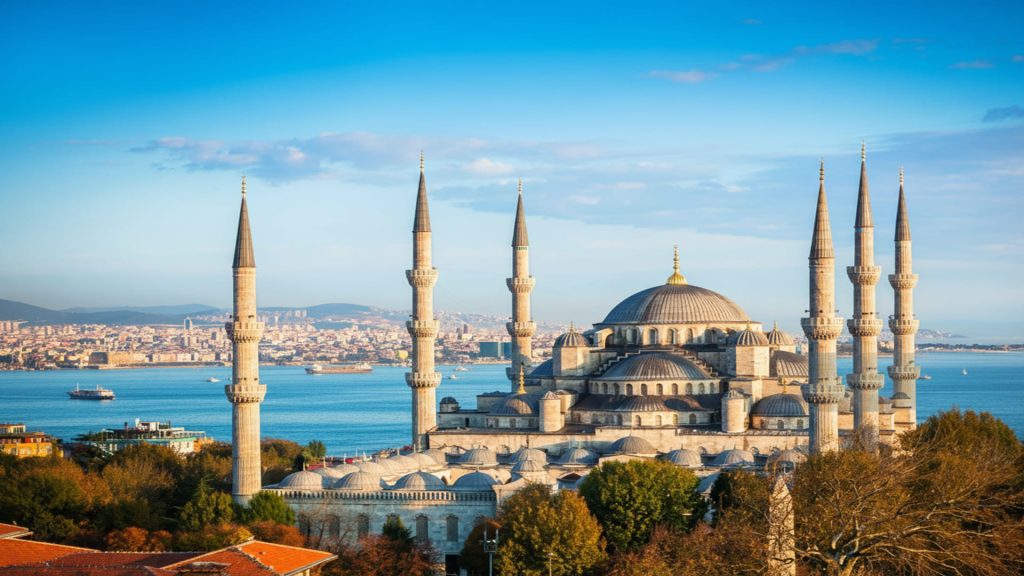
The Muslim population in Turkey is one of the largest in the world, yet it is also one of the most misunderstood. Turkey is officially secular, its streets mix mosques with cafes and its people hold very different views on faith. So how many Muslims live there, which sects do they follow and how strict is religious life? This guide answers each question with clear numbers, history and practical examples.
- Turkey has roughly 86 million people, and official sources describe about 99 percent as Muslim.
- Most Turkish Muslims are Sunni and follow the Hanafi school of law.
- Alevis, a distinct community, are usually estimated at 10 to 20 percent, though figures are disputed.
- Turkey has been constitutionally secular since 1937, but religion remains central to family life.
1. Muslim Population in Turkey: The Latest Numbers
According to the Turkish Statistical Institute, Turkey has a population of about 86 million. Census forms in Turkey do not ask about religion, so the Muslim population in Turkey is an estimate, not a counted figure. The Directorate of Religious Affairs, known as Diyanet, reports roughly 90,000 mosques, which shows how widely Islam is practiced.
The Pew Research Center estimated about 74 million Muslims in Turkey in 2010, close to 98 percent of the population and nearly 5 percent of all Muslims worldwide. Today the number is higher because the total population has grown.
Official figures versus survey results
Surveys paint a more detailed picture. Some independent polls in recent years found that around 90 percent of adults call themselves Muslim. A smaller share say they are atheist, agnostic or simply not religious. Younger urban Turks are more likely to give these answers. This does not change the fact that Muslims form the overwhelming majority.
| Source | Estimate | Notes |
|---|---|---|
| Turkish government | About 99% Muslim | Based on civil registry records |
| Pew Research (2010) | About 98% Muslim | About 74 million people |
| Independent polls | About 90% Muslim | Self described identity |
Other faith communities
The remaining share includes Armenian Orthodox, Greek Orthodox, Syriac Christians, Jews, Protestants and Yazidis. These groups are small but very old. Istanbul still has historic churches and synagogues that are open for worship.
2. Religion in Turkey Before Islam
Anatolia, the land that is now Turkey, has a religious history that goes back thousands of years. Understanding it explains why the Muslim population in Turkey today carries so many cultural layers.
Ancient beliefs and Greek and Roman gods
The Hittites, who ruled central Anatolia more than 3,000 years ago, worshipped storm gods and sun goddesses. Later Greek and Roman cities such as Ephesus and Pergamon honored gods like Artemis and Zeus. Zoroastrian fire temples also existed in parts of the region under Persian rule.
Early Christianity
Anatolia became a major Christian heartland. Paul of Tarsus travelled across it, and the first Council of Nicaea took place in 325 CE in present day Iznik. The Byzantine Empire made Constantinople, now Istanbul, its capital, and Hagia Sophia stood as its great church for nearly a thousand years.
Tengrism and shamanism among the Turks
The Turkic peoples who later migrated west followed Tengrism, a belief in a sky god called Tengri, together with shamanic customs. Some groups also followed Buddhism, Manichaeism, Judaism or Christianity. When they accepted Islam, many older customs blended into folk practice, especially in village life and in Alevi tradition.
3. How Islam Became the Majority Faith
Islam reached the region in stages. Early Muslim armies raided Byzantine Anatolia from the seventh century. The decisive change came in 1071, when the Seljuk Turks won the Battle of Manzikert and opened the interior to Turkish settlement. Many Turkic tribes had already accepted Islam in Central Asia, and they brought it with them.
The Ottoman state later grew into a vast empire and its sultans held the title of caliph. Sufi orders such as the Mevlevi, founded after the poet Rumi, spread Islamic teaching through poetry, music and charity. Conversion was gradual, and Christian and Jewish communities kept their faith under the millet system.
In 1924 the new Turkish Republic abolished the caliphate. That moment set the stage for the secular system that now shapes the Muslim population in Turkey.

4. Turkey Muslim Shia or Sunni?
This is one of the most searched questions about the Muslim population in Turkey. The short answer is that Turkey is mostly Sunni, with significant minorities who follow other traditions.
Sunni Hanafi majority
Most Turkish Muslims follow the Hanafi school, which the Ottomans promoted for centuries. A smaller group follows the Shafii school, mainly among Kurds in the southeast. Diyanet, the state religious body, teaches mainstream Sunni Islam.
Alevis
Alevis are the largest religious minority among Muslims. They honor Ali and the Twelve Imams, hold gatherings called cem and often do not use mosques as their main place of worship. Many Sunni scholars see Alevism as part of Islam, while some Alevis describe it as a separate cultural and spiritual path. Estimates of their number range from about 10 to 20 percent, and the real figure is uncertain.
Twelver Shia and other groups
A smaller Twelver Shia community, often called Jafari, lives mostly in Igdir, Kars and parts of Istanbul. Their numbers are commonly put at a few percent. Small groups of Nusayri Arabs in Hatay and Sufi communities also exist.
Practical example
In Istanbul you may hear the Sunni call to prayer from a Hanafi mosque, then walk to a neighborhood where an Alevi cultural center hosts a music and prayer evening. Both belong to the same society.
5. Secularism and the Muslim Population in Turkey
Mustafa Kemal Ataturk founded the republic in 1923. His reforms closed religious courts, replaced Islamic law with civil codes and moved the state toward laicism. In 1937 secularism became part of the constitution. The state, however, did not leave religion alone. It created Diyanet to manage mosques and pay imams.
Since 2002 the governing AK Party has given religion a larger public role. The headscarf ban in public institutions was lifted in stages between 2013 and 2014, and religious vocational schools called Imam Hatip schools expanded. Supporters say this restored freedom. Critics say it blurs the line between state and faith. Both views are common among Turks.

6. How Strict Is Islam in Turkey?
Compared with many Muslim majority countries, daily life in Turkey is relaxed, but this depends heavily on place and family.

What the law allows
Alcohol is legal and sold in shops and restaurants. Women are not required by law to cover their hair, and they vote, study and work in all fields. Friday is a working day, with a longer midday break in many areas. Apostasy and blasphemy are not punished under Islamic criminal law, though insulting religious values can lead to legal complaints.
What daily life looks like
Big cities such as Istanbul, Izmir and Ankara are diverse. A woman in a headscarf, a woman in a sundress and a man heading to Friday prayer may share the same tram. In conservative towns like Konya, Kayseri or Sanliurfa, modest dress and prayer habits are more visible, and many shops close for Friday prayer.
Practice among Muslims
Polls often show that most Turks fast in Ramadan, give zakat or charity and celebrate Eid, while fewer pray all five daily prayers. In other words, Islamic identity is strong, and strict personal practice varies. Ramadan in Turkey features drummers waking neighborhoods before dawn and free iftar tables in public squares.
7. Why Is Turkey Different from Other Muslim Countries?
Several factors make the Muslim population in Turkey stand out.
A secular legal system
Unlike countries where Sharia shapes national law, Turkey uses a civil code adapted from European models. Family law, courts and education are governed by state law.
Its history as an empire and a republic
The Ottoman Empire once led the Muslim world, and its sudden end in 1924 produced a unique blend of pride in Islamic heritage and commitment to modernization.
Geography
Turkey sits between Europe and Asia, which has shaped its trade, culture and politics. It is a NATO member and has long sought closer ties with the European Union, while also being a leading voice in the Organisation of Islamic Cooperation.

Diverse identity
Turks, Kurds, Arabs, Circassians, Laz and others live together, so Islam is practiced in many styles. The strong role of Sufi heritage also gives Turkish Islam a gentle and poetic flavor, and this is visible in the legacy of Rumi and Yunus Emre.
8. Quran and Hadith References for Understanding Turkey
Muslims in Turkey, like Muslims everywhere, look to the Quran and the Sunnah for guidance. Several teachings help readers understand the diversity described above.
Allah says that He created people as nations and tribes so that they may know one another, and that the most honored is the most conscious of Him. (Quran 49:13, read on Quran.com)
This verse supports the idea that ethnic and cultural variety is part of Allah's design. Another well known verse states that there is no compulsion in religion (Quran 2:256), which Muslim scholars often cite when discussing freedom of belief.
The Prophet, peace be upon him, said that the religion is ease, and that no one makes it harder without being overcome by it. (Sahih al Bukhari 39, view on Sunnah.com)
Many Turks refer to this balanced approach when describing their own practice. There is also a famous narration in Musnad Ahmad about the conquest of Constantinople, which explains why Istanbul holds special meaning in Turkish Muslim memory. Scholars discuss the chain and meaning of this report, so readers should consult qualified teachers for deeper study.
For more reliable learning, explore the guides at Islamic Info Center, including our guides on the Muslim population in the world, the full list of Muslim countries, Islamic history, Sunni Islam and Sufism in Islam.
9. Practical Tips for Visitors and Researchers
- Visiting mosques: Dress modestly, remove shoes and avoid entering during prayer times if you are a tourist. Many large mosques, such as the Blue Mosque, have separate visitor entrances.
- During Ramadan: Most restaurants stay open in big cities, but eating politely out of sight in conservative towns shows respect.
- Researching data: Always compare official figures with independent surveys, because the Muslim population in Turkey is measured in different ways.
- Talking about religion: Ask open questions. Turks hold many views, and no single person speaks for everyone.
Frequently Asked Questions About the Muslim Population in Turkey
What is the Muslim population in Turkey?
Turkey has about 86 million people, and officials say around 99 percent are Muslim. Independent polls suggest a lower share, near 90 percent, because some people identify as nonreligious. Either way, tens of millions of Muslims live there.
Is Turkey mostly Sunni or Shia?
Turkey is mostly Sunni and follows the Hanafi school. Alevis and a smaller Twelver Shia community make up important minorities.
How strict is Islam in Turkey?
Turkey is legally secular and relatively flexible. Alcohol is legal and dress is not controlled by law. Religious observance is stronger in conservative regions and weaker in large coastal cities.
What was the religion in Turkey before Islam?
Anatolia was home to Hittite religion, Greek and Roman worship, Zoroastrianism, Judaism and Christianity. Turkic groups followed Tengrism and shamanism before accepting Islam.
Why is Turkey different from other Muslim countries?
Its secular constitution, Ottoman legacy, European and Asian geography and diverse population set it apart from many other Muslim majority states.
Is Turkey the largest Muslim country?
No. Indonesia, Pakistan, India, Bangladesh and others have larger Muslim populations, but Turkey is among the biggest in the Middle East and Europe region.
The Muslim population in Turkey is large, historic and wonderfully diverse. It includes Sunni Hanafi majorities, Alevi communities, Shia minorities and many people who practice quietly. Numbers differ by source, but the story is clear: Islam is a central part of Turkish identity, even inside a secular state. To keep learning, visit Islamic Info Center for the basics of the Islam religion, the five pillars of Islam and Ramadan. And for further reading, see the Britannica overview of religion in Turkey.