

Introduction
Hajr e Aswad, also known as the Black Stone, is one of the most sacred and revered objects in Islam. Embedded in the eastern corner of the Holy Kaaba in Makkah, it holds deep spiritual, historical, and emotional significance for Muslims around the world. Every year, millions of pilgrims performing Hajj and Umrah strive to touch or kiss it, following the Sunnah of Prophet Muhammad ﷺ.
Beyond its physical presence, Hajr e Aswad represents divine mercy, prophetic tradition, and the continuity of Islamic faith from Prophet Ibrahim عليه السلام to the final Messenger ﷺ. It is not worshipped, yet it is honored, respected, and cherished as a sacred symbol.
What Is Hajr e Aswad?
Hajr e Aswad literally means “the Black Stone.” It is a sacred stone fixed into the eastern corner of the Kaaba, marking the starting and ending point of Tawaf. According to authentic Islamic traditions, it was originally sent down from Paradise and placed by Prophet Ibrahim and his son Ismail عليهما السلام during the reconstruction of the Kaaba.
Over time, due to human contact and sins, the stone turned black, though it was originally white. This transformation is mentioned in several authentic narrations and reflects a deep spiritual symbolism rather than physical decay alone.
Muslims do not worship Hajr e Aswad. Instead, they honor it because the Prophet ﷺ honored it. Umar ibn al-Khattab رضي الله عنه famously said that he knew the stone could neither benefit nor harm, but he kissed it only because he saw the Prophet ﷺ do so. This statement perfectly captures the Islamic approach: reverence without worship.
Hajr e Aswad History

The history of Hajr e Aswad is deeply connected with the story of Prophet Ibrahim عليه السلام and the foundation of the Kaaba. When Allah commanded Prophet Ibrahim to build the Kaaba, he and his son Ismail laid its foundations. During the construction, Angel Jibreel brought a special stone from Jannah, which became known as Hajr e Aswad.
Initially, the stone was white and radiant. The Prophet Muhammad ﷺ later said that it turned black due to the sins of mankind. This hadith is narrated in Tirmidhi and other collections, making it a well-established part of Islamic tradition.
Before Islam, the Quraysh tribe highly respected the Kaaba and its sacred elements, including Hajr e Aswad. When the Kaaba was rebuilt due to flood damage, a dispute arose among the tribes about who would have the honor of placing the stone. The conflict was resolved when they agreed that the first man to enter the Haram would decide. That man was Muhammad ﷺ, who had not yet received prophethood. He placed the stone on a cloth and asked each tribe leader to lift a corner, then he personally positioned it. This incident earned him the title “Al-Ameen” and highlighted his wisdom and fairness even before revelation.
Throughout history, Hajr e Aswad has faced several challenges. It was stolen in the 10th century by the Qarmatians, who held it for over 20 years. During that time, the Kaaba stood without the stone, yet Tawaf continued, showing that worship is not dependent on physical objects. Eventually, the stone was returned, though it had been broken into several pieces. Today, these fragments are held together in a silver frame.
Despite damage, political conflict, and natural wear, Hajr e Aswad has remained a symbol of continuity and faith for over 4,000 years.
Hajr e Aswad History in Urdu
حجرِ اسود کی تاریخ اسلام کی مقدس تاریخ کا ایک اہم حصہ ہے۔ یہ وہ مقدس پتھر ہے جو خانہ کعبہ کے مشرقی کونے میں نصب ہے اور طواف کا آغاز اور اختتام اسی مقام سے ہوتا ہے۔
اسلامی روایات کے مطابق، حضرت جبرائیل علیہ السلام یہ پتھر جنت سے لے کر آئے اور حضرت ابراہیم اور حضرت اسماعیل علیہما السلام نے خانہ کعبہ کی تعمیر کے دوران اسے نصب کیا۔ ابتدا میں یہ پتھر سفید تھا، لیکن انسانوں کے گناہوں کی وجہ سے وقت کے ساتھ سیاہ ہو گیا۔
نبی کریم ﷺ کے زمانے میں جب خانہ کعبہ کی دوبارہ تعمیر ہوئی، تو قریش قبائل کے درمیان اس بات پر اختلاف ہو گیا کہ حجرِ اسود کو کون نصب کرے گا۔ اس موقع پر رسول اللہ ﷺ نے اپنی حکمت سے مسئلہ حل کیا اور سب قبائل کو اس میں شریک کیا۔ یہی واقعہ آپ ﷺ کی صداقت اور امانت داری کی بہترین مثال ہے۔
بعد کے ادوار میں حجرِ اسود کو نقصان بھی پہنچا، حتیٰ کہ ایک دور میں اسے چوری کر کے بحرین لے جایا گیا۔ تاہم کئی سال بعد یہ دوبارہ مکہ مکرمہ واپس لایا گیا اور آج بھی اسے نہایت احترام کے ساتھ محفوظ رکھا گیا ہے۔
Hajr e Aswad in Urdu
حجرِ اسود اسلام کا ایک مقدس نشان ہے جو خانہ کعبہ کے مشرقی کونے میں نصب ہے۔ یہ طواف کے آغاز اور اختتام کا مقام ہے اور مسلمان اس کی تعظیم کرتے ہیں، لیکن اس کی عبادت نہیں کرتے۔
نبی کریم ﷺ نے حجرِ اسود کو بوسہ دیا اور اس کو چھونے کی ترغیب دی، اسی لیے مسلمان اس سنت پر عمل کرنے کی کوشش کرتے ہیں۔ حضرت عمر رضی اللہ عنہ نے فرمایا تھا کہ وہ جانتے ہیں کہ یہ پتھر نہ نفع دے سکتا ہے نہ نقصان، لیکن چونکہ رسول اللہ ﷺ نے اسے چوما تھا، اس لیے وہ بھی ایسا کرتے ہیں۔
یہی اسلامی عقیدہ ہے کہ تعظیم صرف اللہ کی ہے، جبکہ حجرِ اسود کی عزت نبی کریم ﷺ کی سنت کی وجہ سے ہے۔ اس میں ایمان، اطاعت، اور عاجزی کا پیغام چھپا ہوا ہے۔
What Is Hajr E Aswad Made Of?
One of the most frequently asked questions about Hajr e Aswad is about its physical composition. What is this sacred stone made of? Is it a meteorite? A gemstone? A special type of rock?
Scientific analysis has been limited due to its sacred nature, but scholars and researchers have proposed several theories. Many believe it may be of meteoric origin, as it does not resemble typical earthly stones and has unique physical properties. However, this remains a theory and has not been officially confirmed.
The stone today consists of multiple fragments held together by a silver frame. These fragments vary in size and shape, but they form a smooth, oval surface that pilgrims try to touch or kiss during Tawaf. The surface is polished and dark, not necessarily because of its original color, but due to centuries of touching, kissing, and anointing with perfumes.
Islamically, the exact material composition is not essential to its significance. What matters is its divine origin and prophetic connection. As Muslims, we honor it because Allah honored it and His Messenger ﷺ showed respect to it.
Hajr e Aswad Attar
Hajr e Aswad attar is a popular fragrance inspired by the sacred atmosphere of the Holy Kaaba and the scent traditionally associated with the Black Stone area. The Kaaba, including Hajr e Aswad, is regularly perfumed with high-quality natural fragrances such as oud, musk, amber, and rose.
Hajr e Aswad attar is not extracted from the stone itself, as that would be impossible and disrespectful. Instead, it is a symbolic fragrance crafted to reflect the spiritual ambiance and noble scent experienced near the Kaaba. These attars are often alcohol-free and halal, making them suitable for prayer and daily use.
Many Muslims use Hajr e Aswad attar during worship, special occasions, or spiritual gatherings to feel connected to the sacred environment of Makkah. It is also a popular gift, especially for those returning from Hajj or Umrah.
From an Islamic perspective, using pleasant fragrance is encouraged. The Prophet Muhammad ﷺ loved good scents, and wearing perfume is considered a Sunnah, especially for Jummah prayers and religious gatherings. Hajr e Aswad attar aligns with this tradition while carrying deep symbolic value.
Hajr e Aswad Perfume
Hajr e Aswad perfume is closely related to Hajr e Aswad attar, but typically refers to spray or oil-based fragrances marketed under this name. These perfumes aim to capture the sacred scent of the Kaaba and the spiritual atmosphere surrounding Hajr e Aswad.
Unlike ordinary perfumes, Hajr e Aswad perfumes are often formulated using natural, long-lasting ingredients such as oud wood, sandalwood, ambergris, saffron, musk, and rose. These ingredients are traditionally used in the perfuming of holy places in Islam.
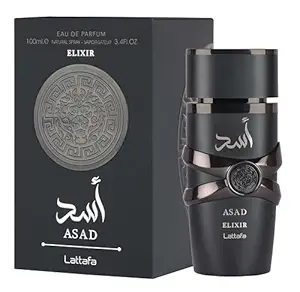
Many Islamic perfume brands produce Hajr e Aswad perfume for both men and women. These perfumes are usually alcohol-free, making them suitable for use during prayer. They are widely available in Islamic shops, online marketplaces, and perfume stores in Makkah and Madinah.
The emotional connection to this perfume is strong. For many believers, the scent evokes memories of Umrah, Hajj, and moments spent in prayer near the Kaaba. It becomes more than just a fragrance; it becomes a spiritual reminder.
Hajr e Aswad Old Pictures

Old pictures of Hajr e Aswad provide valuable historical insight into how the stone and the Kaaba have been preserved and restored over time. Early photographs, drawings, and manuscripts show the stone in different states of condition, including periods when it was more exposed or less framed.
Before the era of photography, illustrations and traveler accounts described the Black Stone as composed of several pieces set in silver. As photographic technology advanced, especially in the 19th and early 20th centuries, clearer images emerged. These images confirm historical records about the stone’s fragmentation and restoration.
Old pictures also reveal changes in the Kaaba’s structure, surrounding architecture, and crowd management. They reflect the growth of the Muslim population and the increasing number of pilgrims over time.
Studying these images strengthens historical understanding and reinforces the trustworthiness of Islamic narratives. They show that the stone’s condition aligns with what scholars and historians have documented for centuries.
Is Hajr e Aswad Mentioned in Quran?
A common question among Muslims and non-Muslims alike is whether Hajr e Aswad is mentioned directly in the Quran. The answer is no; the Quran does not explicitly mention Hajr e Aswad by name.
However, the Quran does mention the Kaaba, Makkah, and sacred rites associated with Hajj and Umrah. For example, Allah says in Surah Al-Baqarah (2:125), “And [mention] when We made the House a place of return for the people and [a place of] security.” This verse establishes the sanctity of the Kaaba and its rituals, within which Hajr e Aswad plays an important role.
The significance of Hajr e Aswad is established through authentic Hadith rather than direct Quranic verses. The Prophet ﷺ spoke about its origin, its transformation, and its spiritual impact. One well-known hadith states that the Black Stone will come on the Day of Judgment with eyes and a tongue to testify for those who touched it sincerely. This hadith, narrated in Tirmidhi and others, highlights its spiritual significance.
In Islam, not everything sacred must be explicitly named in the Quran. The Sunnah of the Prophet ﷺ is a primary source of Islamic law and guidance, and Hajr e Aswad’s importance is firmly rooted in that tradition.
Spiritual Significance of Hajr e Aswad
Hajr e Aswad holds deep spiritual symbolism in Islam. It represents divine mercy, forgiveness, and renewal of faith. Touching or kissing the stone during Tawaf is not an act of worship, but a symbolic gesture of obedience and love for Allah and His Messenger ﷺ.
Many scholars explain that the Black Stone symbolizes a covenant between Allah and humanity. When believers touch it, they renew their commitment to faith, righteousness, and obedience. This concept is supported by narrations that speak about the stone bearing witness on the Day of Judgment.
Hajr e Aswad also reflects the humility of Islam. Despite being a sacred object, it has no power in itself. It neither harms nor benefits independently. This teaches Muslims that all power belongs to Allah alone, and that physical objects are honored only through divine command, not intrinsic ability.
For pilgrims, standing near Hajr e Aswad is often an emotional moment. Many feel overwhelmed, tearful, and spiritually uplifted. This emotional response is not superstition, but a natural result of faith, environment, and the sense of connection to prophetic history.
Hajr e Aswad in Hajj and Umrah
During Hajj and Umrah, Tawaf around the Kaaba begins and ends at the corner where Hajr e Aswad is located. Pilgrims try to kiss the stone if possible. If not, they touch it with their hand. If even that is not possible due to crowding, they raise their hand toward it and say “Bismillah, Allahu Akbar.”
This practice is based on the Sunnah of the Prophet ﷺ. It is important to note that touching or kissing the stone is not obligatory. Tawaf is valid even if a person cannot reach it. Islam prioritizes ease, safety, and intention over physical actions.
Pilgrims should avoid harming others or causing discomfort in their attempt to reach Hajr e Aswad. Scholars consistently emphasize that preserving human dignity and safety is more important than performing a Sunnah act.
For a detailed guide on Hajj and Umrah rituals, you may refer to this authoritative resource from Saudi Arabia’s Ministry of Hajj and Umrah: https://www.haj.gov.sa
You may also explore our complete Umrah guide on IslamicInfoCenter.com for step-by-step instructions and spiritual tips.
Common Misconceptions About Hajr e Aswad
There are several misconceptions surrounding Hajr e Aswad that need clarification.
One misconception is that Muslims worship the Black Stone. This is entirely false. Muslims worship only Allah. The respect shown to Hajr e Aswad is an act of obedience, not worship.
Another misconception is that the stone has magical powers. Islam teaches that no object has independent power. Any benefit or harm comes only by Allah’s will.
Some people believe that touching the stone guarantees forgiveness. While touching it is a Sunnah and a virtuous act, forgiveness depends on sincere repentance, righteous deeds, and Allah’s mercy.
Addressing these misconceptions is essential to uphold the purity of Islamic belief and prevent misunderstandings about Muslim practices.
Scientific and Historical Perspectives
From a historical standpoint, Hajr e Aswad is one of the oldest continuously revered objects in human history. Its documented existence spans over four millennia, making it a unique artifact of religious continuity.
From a scientific perspective, limited analysis suggests that the stone may be of extraterrestrial origin, possibly a meteorite. This theory is based on its texture, composition, and inability to sink in water, as reported by some early observers. However, due to its sacred status, invasive scientific testing is neither permitted nor necessary.
Islam does not rely on scientific validation to affirm spiritual truths. The value of Hajr e Aswad lies in its divine origin and prophetic endorsement, not in laboratory findings.
Cultural and Global Influence
Hajr e Aswad has influenced Islamic culture, art, architecture, literature, and spirituality across centuries. Poets have written verses about it. Scholars have documented its history. Artists have depicted it in manuscripts and illustrations. Perfume makers have created fragrances inspired by it. Pilgrims have carried its memory across continents.
The stone symbolizes unity. Muslims from every race, language, and nationality gather around the Kaaba, circling it in perfect harmony, with Hajr e Aswad as the starting point. This global convergence reflects Islam’s universal message and the oneness of humanity before Allah.
In modern times, Hajr e Aswad continues to inspire faith and devotion. Despite technological advancement and societal change, its spiritual impact remains unchanged.
FAQs About Hajr e Aswad
- What is Hajr e Aswad and why is it important in Islam?
Hajr e Aswad is the Black Stone embedded in the Kaaba. It is important because the Prophet ﷺ honored it, and it marks the starting point of Tawaf during Hajj and Umrah. - Is Hajr e Aswad mentioned in the Quran?
Hajr e Aswad is not mentioned directly in the Quran, but its significance is established through authentic Hadith and Islamic tradition. - Can Hajr e Aswad forgive sins?
Touching or kissing the stone is a Sunnah and a virtuous act, but forgiveness comes only from Allah through sincere repentance and righteous deeds. - What is Hajr e Aswad made of?
Its exact composition is unknown. Some believe it may be of meteoric origin, but Islamically, its material makeup is not essential to its significance. - Is it obligatory to touch or kiss Hajr e Aswad during Tawaf?
No, it is not obligatory. If one cannot reach it, simply gesturing toward it and saying “Allahu Akbar” is sufficient. - What is Hajr e Aswad attar and perfume?
Hajr e Aswad attar and perfume are fragrances inspired by the scent of the Kaaba area. They do not come from the stone itself but symbolize its sacred atmosphere. - Why did Hajr e Aswad turn black?
According to Hadith, it was originally white but turned black due to the sins of humanity, symbolizing moral and spiritual lessons. - Has Hajr e Aswad ever been damaged or stolen?
Yes, it was stolen in the 10th century by the Qarmatians and later returned. It has also been damaged over time and is now held together by a silver frame.
Conclusion and Call to Action
Hajr e Aswad is not merely a stone embedded in the Kaaba. It is a living symbol of Islamic faith, prophetic tradition, divine mercy, and spiritual renewal. From its heavenly origin to its enduring presence in the heart of Muslim worship, it reflects the timeless connection between humanity and Allah.
Understanding Hajr e Aswad deepens our appreciation of Islamic rituals, strengthens our faith, and helps us approach worship with knowledge, humility, and sincerity.

