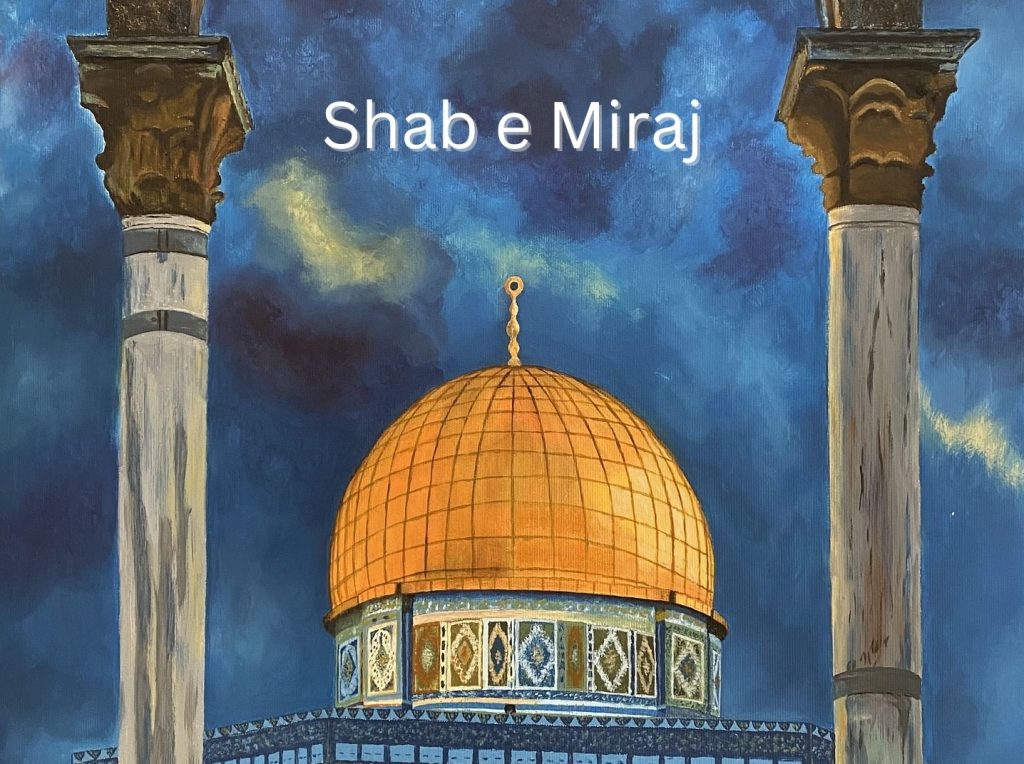
Eid e Milad un Nabi is the observance of the birth of Prophet Muhammad (PBUH), celebrated on 12 Rabi al-Awwal in the Islamic calendar. It is a day of deep spiritual significance for many Muslims, marked by prayers, religious gatherings, Na’at recitations, charity, and processions honoring the life and teachings of the Prophet. While celebrated widely in countries like Pakistan, India, and Bangladesh, its observance varies across the Muslim world.
Date & Calendar Information for Eid e Milad un Nabi 2025

Eid e Milad un Nabi 2025, also known as Mawlid al-Nabi, was observed on Saturday, 6 September 2025, corresponding to 12 Rabi al-Awwal 1447 AH for most Sunni communities.
Eid Milad un Nabi 2025 Date in Pakistan/India/Bangladesh:
- Pakistan: 6 September 2025 (Public Holiday)
- India: 6 September 2025
- Bangladesh: 6 September 2025
Date & Calendar Information for Eid e Milad un Nabi 2026
Eid e Milad un Nabi 2026 corresponds to 12 Rabi al-Awwal 1448 AH. As with previous years, the exact Gregorian date depends on moon sighting and varies somewhat by country and local religious authority.
Eid Milad un Nabi 2026 Date by Country:
- Bangladesh: Tuesday, 25 August 2026
- India: Wednesday, 26 August 2026 (official holiday date listed by the Supreme Court, Incredible India, ISRO centers, and the Andhra Pradesh government; some foreign Islamic calendars place 12 Rabi al-Awwal on 25 August)
- Syria: Tuesday, 25 August 2026
- Turkey: Wednesday, 26 August 2026
- Egypt: Religious date falls Tuesday, 25 August 2026, but the government has announced Thursday, 27 August 2026 as the official paid public holiday instead
Note: Because Eid Milad un Nabi depends on lunar moon sighting, families and institutions should confirm the final date through official government or local holiday notifications closer to the date.
What is 12 Rabiʿ al-Awwal?

The 12th of Rabi’ al-Awwal is highly significant in Islam, as it marks the blessed birth of Prophet Muhammad (SAW), an occasion known as Mawlid un-Nabi or Eid Milad un-Nabi. Across the world, many Muslims observe this day with joy, gratitude, and deep reflection on the Prophet’s life and his guiding teachings.
Qur’anic Perspective
- The Qur’an does not specify the date of the Prophet’s ﷺ birth.
- However, the Qur’an repeatedly emphasizes:
-
The sending of the Prophet ﷺ as a mercy:
-
“And We have not sent you, [O Muhammad], except as a mercy to the worlds.”
(Surah Al-Anbiya 21:107)
The great favor of Allah in sending His Messenger:
“Certainly did Allah confer a great favor upon the believers when He sent among them a Messenger from themselves…”
(Surah Aal Imran 3:164)
Hadith Perspective
(a) Day of Birth and Death
- The Prophet ﷺ was born on a Monday:
Narrated by Abu Qatada al-Ansari (RA):
When the Prophet ﷺ was asked about fasting on Monday, he said:
“It is the day I was born, and the day I was sent (or when revelation came to me).”
(Sahih Muslim, Hadith 1162) - He passed away on 12 Rabiʿ al-Awwal, also a Monday:
Ibn Kathir and other historians mention this date based on authentic narrations.
Religious Significance & Historical Background

History of Eid-e-Milad
Eid-e-Milad, also known as Mawlid al-Nabi, marks the birth anniversary of Prophet Muhammad (peace be upon him). It is observed on the 12th day of Rabi’ al-Awwal, the third month of the Islamic calendar. While not celebrated by all Muslim groups, it has become a significant occasion in many parts of the world, serving as both a spiritual and cultural remembrance of the Prophet’s life and teachings.
Origins of the Celebration
The roots of Eid-e-Milad can be traced back to the 8th century. Historians suggest that the earliest celebrations began in regions such as Egypt, under the Fatimid Caliphate, where gatherings were organized to commemorate the Prophet’s birth. Initially, these were simple events focusing on Quran recitation, storytelling, and reminders of the Prophet’s character. Over time, the celebration spread to other Arab lands and beyond, evolving into a recognized festival with both religious and cultural dimensions.
Historical Origins
- Initially celebrated by the Fatimid dynasty in Egypt (10th century)
- Spread through the Ottoman Empire and Sufi communities
- Sunni Muslims commemorate on 12 Rabi al-Awwal; Shia Muslims on 17 Rabi al-Awwal
Historical Figures Associated
Throughout history, scholars, poets, and leaders have contributed to shaping how Eid-e-Milad is observed.
- One of the most notable is Imam al-Busiri (1211–1294 CE), a famous poet of Egypt. He composed the Qasidah al-Burda (Poem of the Mantle) in honour of Prophet Muhammad (PBUH).
- This poem, filled with deep love and devotion, has been recited in Milad gatherings for centuries, becoming an integral part of the tradition.
- Other scholars and rulers also encouraged celebrations, using them as opportunities to promote unity, faith, and respect for the Prophet’s example.
Significance of Eid-e-Milad
Religious Importance

For Muslims, Eid-e-Milad is a way to honour and remember the Prophet’s life, which is seen as the ideal model of compassion, justice, and morality. Common religious practices include:
- Quran recitation
- Special prayers (Salat)
- Lectures (Seerah sessions) highlighting the Prophet’s life, teachings, and character
These practices strengthen personal faith and nurture communal bonds, reminding Muslims of the Prophet’s role as a mercy to mankind.
Cultural Impact
Beyond religion, Eid-e-Milad also carries a cultural and social dimension:
- It brings people together in festive gatherings.
- Communities organize poetry recitations, traditional songs, and performances praising the Prophet.
- Charity plays a key role, as Muslims donate food, clothing, and money to the poor—reflecting the Prophet’s values of generosity and kindness.
- The day thus becomes one of unity, compassion, and collective celebration.
Celebrations of Eid-e-Milad
Common Practices and Traditions

- Decorating homes and mosques – using lights, banners, and flowers to create a festive atmosphere.
- Processions – in many countries, large groups walk together, reciting praises (na’ats) and sending blessings upon the Prophet.
- Sharing meals – families and communities prepare and share traditional food, reinforcing the values of togetherness and hospitality.
Community Events and Gatherings
Mosques and community centers host lectures, storytelling, and cultural events to highlight the Prophet’s life. These gatherings encourage both learning and unity, making the celebration not just festive but also educational.
Special Prayers and Rituals
Muslims mark the day with:
- Salat (special prayers)
- Quran recitation
- Sending Salawat (blessings upon the Prophet)
These spiritual acts are seen as expressions of gratitude and love for the Prophet’s guidance.
Eid e Milad un Nabi marks the birth anniversary of Prophet Muhammad (PBUH), born in 570 CE in Mecca. This day holds great reverence, especially among Sunni and Sufi Muslims, who celebrate the Prophet’s life, teachings, and legacy.
Theological Views

- Sufi/Barelvi Schools: Celebrate with passion and reverence
- Salafi/Deobandi Schools: View it as a religious innovation (Bid’ah)
Traditions & Religious Observances
Eid Milad-un-Nabi is celebrated with spiritual fervor and religious unity in many parts of the Muslim world.
Common Practices:
- Recitation of Naats & Nasheeds praising Prophet Muhammad (PBUH)
- Special prayers and sermons about Seerah (Prophet’s life)
- Distribution of food, sweets, and charity to the poor
- Processions with banners, flags, and decorated floats
- Mosque decorations and homes illuminated with green lights
Celebrations & Events in Pakistan
Pakistan, being a predominantly Muslim country, observes Eid Milad un Nabi as a national holiday. The day starts with grand displays of respect and ends with emotional expressions of love for the Prophet.
Notable Events:
- 31-gun salute in Islamabad; 21-gun salute in provincial capitals
- Special Seerat Conferences at national and local levels
- Processions across cities like Karachi, Lahore, and Peshawar
- Media broadcasts on the Prophet’s life and message
- Charity campaigns and communal feasts
Regional & Global Observances
The scale and method of Eid e Milad un Nabi celebrations vary globally:
Middle East:
- Some countries, like Saudi Arabia, do not officially celebrate
- Egypt, Syria, and Jordan host religious lectures and mosque gatherings
South Asia:
- India, Bangladesh, and Pakistan witness large-scale public events
- Massive public processions and cultural activities
Southeast Asia:
- Indonesia and Malaysia hold parades and Islamic concerts
Africa:
- Nations like Morocco, Sudan, Nigeria conduct spiritual gatherings
Western Countries:
- UK, USA, Canada: Muslim communities organize conferences and interfaith events

Cultural Aspects & Popular Features
Beyond religious rituals, the cultural representation of Eid Milad un Nabi adds beauty and diversity to the celebration.
Key Features:
- Use of green color in decorations symbolizing peace and Islam
- Traditional sweets like Halwa, Seviyan, and Honey-based dishes
- Children’s competitions: Qur’an recitation, poetry, and speeches
- Public buildings illuminated with lights and banners
- Digital posters and Islamic reminders shared on social media
Conclusion
Eid e Milad un Nabi offers Muslims worldwide a sacred opportunity to revisit the legacy of Prophet Muhammad (PBUH). Through prayer, reflection, and unity, believers renew their love and commitment to his teachings. Whether in Pakistan, India, or across the globe, the day resonates with spiritual enthusiasm and communal harmony.
FAQs About Eid e Milad un Nabi
When is Eid Milad un Nabi 2025 in Pakistan?
Eid Milad un Nabi 2025 was observed on 6 September 2025 in Pakistan.
When is Eid Milad un Nabi 2026 in Pakistan and India?
Eid Milad un Nabi 2026 is expected around 25–26 August 2026, corresponding to 12 Rabi al-Awwal 1448 AH. India’s official calendars list Wednesday, 26 August 2026, while several other Islamic calendars place the date on 25 August 2026. The exact date depends on moon sighting and may be confirmed closer to the date by local authorities.
Is Eid Milad un Nabi a public holiday?
Yes, it is a public holiday in Pakistan and many Muslim-majority countries, and it is also a gazetted holiday in India (though observed dates can vary by state).
Why is Eid Milad un Nabi celebrated?
To commemorate the birth and life of Prophet Muhammad (PBUH).
How is it celebrated?
With religious gatherings, processions, decorations, and charitable acts.
Is Eid Milad un Nabi celebrated by all Muslims?
Not all sects celebrate it equally; it is mostly observed by Sunnis and Sufi communities.