
Break the Fast Dua
Break the fast dua is the short supplication many Muslims say as they end a fast at sunset. If you have ever held a date in your hand and wondered which words to say, this guide gives you the Arabic text, a clear transliteration, the English meaning and the sources behind it. You will also learn the sunnah of iftar, common mistakes and simple ways to teach children.
Quick answer: The most authentic break the fast dua, reported from Ibn Umar in Sunan Abi Dawud, is: Dhahaba az zama'u wabtallatil 'urooqu wa thabatal ajru in sha Allah. It means: the thirst has gone, the veins are moist and the reward is confirmed, if Allah wills.
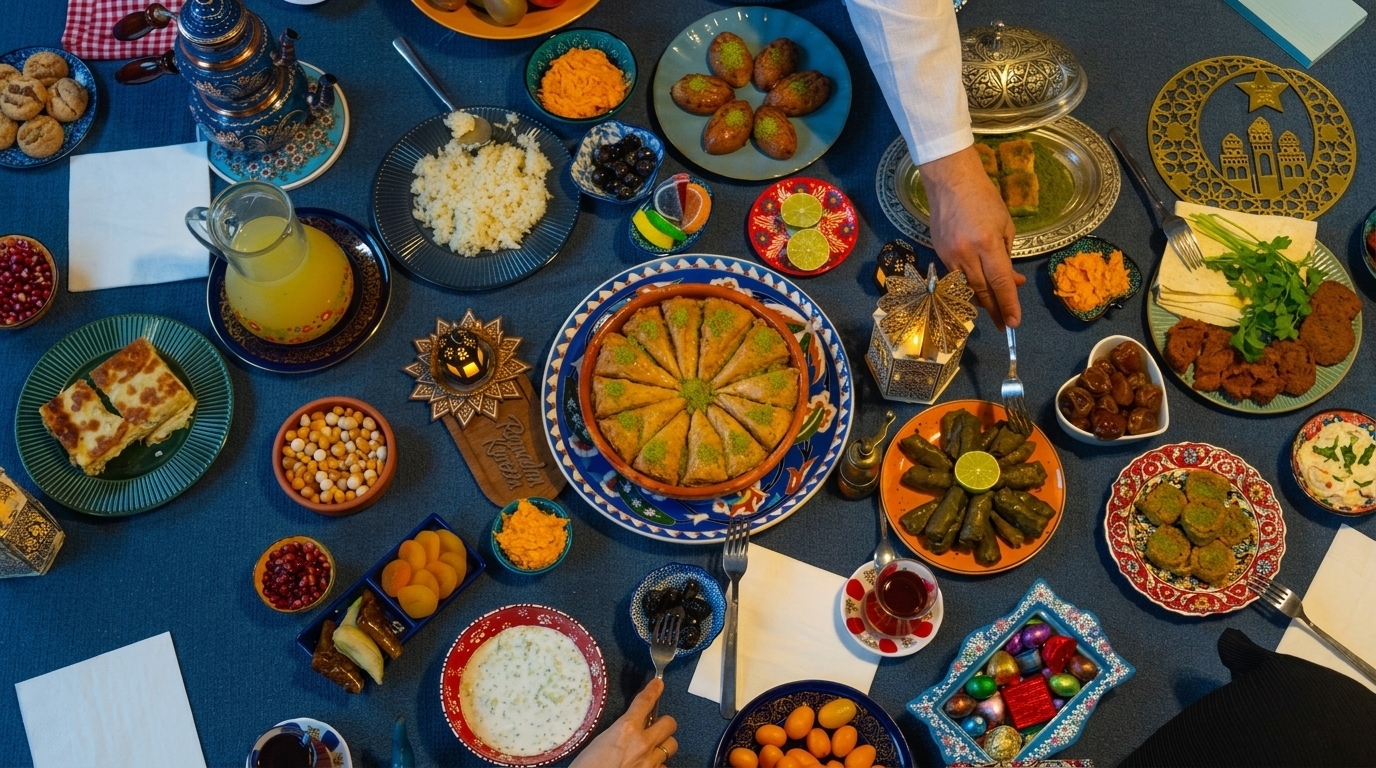
What Is the Break the Fast Dua and Why Does It Matter?
Fasting is an act of worship from dawn until sunset. When the sun sets, Allah permits us to eat and drink again, and the Prophet Muhammad (peace be upon him) taught us to mark that moment with remembrance. The break the fast dua is a way of thanking Allah for the strength to complete the day.
The Quran sets the limit of the fast clearly: complete the fast until the night (Surah Al Baqarah 2:187). Once night begins, there is no reason to delay. The dua is short on purpose, so that anyone, young or old, can learn it in one sitting.
The Authentic Break the Fast Dua in Arabic, Transliteration and Meaning
Scholars of hadith have graded the narrations about iftar differently. Below, each dua is labelled so you can understand its standing and choose with confidence.
Dua 1: The Most Reliable Wording
ذَهَبَ الظَّمَأُ وَابْتَلَّتِ الْعُرُوقُ وَثَبَتَ الأَجْرُ إِنْ شَاءَ اللَّهُ
Dhahaba az zama'u wabtallatil 'urooqu wa thabatal ajru in sha Allah.
Meaning: The thirst is gone, the veins are moistened, and the reward is confirmed, if Allah wills.
Source: Sunan Abi Dawud 2357, narrated by Abdullah ibn Umar. Many scholars, including Al Albani, graded it hasan.
If you only memorise one break the fast dua, make it this one. It is brief, it has a clear chain, and it mentions the reward Allah promises the fasting person.
Dua 2: "Allahumma Inni Laka Sumtu"
اللَّهُمَّ لَكَ صُمْتُ وَعَلَى رِزْقِكَ أَفْطَرْتُ
Allahumma laka sumtu wa 'ala rizqika aftartu.
Meaning: O Allah, for You I fasted and with Your provision I broke my fast.
Source: Sunan Abi Dawud 2358, a mursal report from Muadh ibn Zahra.
This wording is widely taught in families and mosques. However, the chain is considered weak by many hadith scholars. Its meaning is beautiful and correct, so some people say it as a general dua, but they do not present it as the confirmed words of the Prophet (peace be upon him).
The Dua Is Accepted at This Moment
Ibn Majah reports that the fasting person has a supplication at the time of breaking the fast that is not rejected. Scholars differ on how they grade this report, yet the idea is widely cited in books on fasting. So after the words above, ask Allah for forgiveness, guidance, health and anything good for you and your family.
When Exactly Should You Say It?
The hadith of Ibn Umar says the Prophet (peace be upon him) would say the words after breaking his fast. So the sunnah order is simple:
- Say Bismillah when you begin to eat.
- Eat a date or sip water.
- Say the break the fast dua.
- Pray Maghrib, then continue your meal.
Some people also recite a dua before the fast ends. That is a fine moment to make personal requests, because the fasting person is close to a time of acceptance.
7 Powerful Sunnah Steps for a Blessed Iftar
Step 1: Do Not Delay the Fast
The Prophet (peace be upon him) said that people remain in goodness as long as they hasten to break the fast. This is recorded in Sahih al Bukhari 1957. Check your local timetable and break the fast as soon as the sun has set.
Step 2: Begin with Fresh Dates
Anas ibn Malik reported that the Prophet (peace be upon him) broke his fast with fresh dates before praying. If there were none, he took dry dates, and if there were none, a few sips of water. See Sunan Abi Dawud 2356.
Step 3: Say Bismillah
Naming Allah before food is a daily sunnah. At iftar it keeps the moment calm, even when the table is full and everyone is hungry.
Step 4: Say the Break the Fast Dua
Recite the Arabic slowly, or the English meaning if you are still learning. Understanding the words matters more than speed.
Step 5: Make Personal Dua
Speak to Allah in any language. A student might ask for success, a parent for righteous children, a traveller for safety. Keep a short list on your phone so you remember what to ask.
Step 6: Eat in Moderation
The Prophet (peace be upon him) warned against filling the stomach. Eat lightly, pray Maghrib, then return for more. This also helps you stand comfortably for Taraweeh.
Step 7: Share Your Food
The Prophet (peace be upon him) said whoever feeds a fasting person earns a reward equal to theirs, without reducing the fasting person's reward. See Jami at Tirmidhi 807. A date and a cup of water counts.
Practical Examples: How to Apply It in Real Life
At Home with Family
Place dates and water on the table five minutes early. When the call to prayer sounds, let the youngest child lead the break the fast dua aloud, and everyone repeats it. Children remember what they say themselves.
At Work or in a Taxi
If you cannot reach a table, keep two dates in your bag. Take one, sip water and say the dua quietly. Your fast is complete, and you can pray as soon as you are able.
While Travelling or in Hospital
If you are on a train or flight, follow the sunset time given for your location. If you are unwell and have a medical reason, ask a trusted scholar and your doctor, and still make dua at the time you eat.
When You Are Invited as a Guest
The Prophet (peace be upon him) used to say for his hosts: Aftara 'indakumus saa'imoon, wa akala ta'amakumul abraar, wa sallat 'alaykumul malaa'ikah. It means: may the fasting people break their fast with you, may the righteous eat your food and may the angels send blessings upon you. See Sunan Abi Dawud 3854.
Common Mistakes to Avoid
Treating Every Narration as Equal
Some websites print several versions of the dua as if all were equally confirmed. Check the source and grading, as shown above.
Saying the Dua After a Big Meal
The sunnah is to say it at the moment of ending the fast, not once you are full.
Believing Arabic Is Required
You may ask Allah in any language. Learning the Arabic is rewarding, but sincerity is the heart of the dua.
How to Teach the Dua to Children
Start with the meaning, not the Arabic. Tell your child that dua is a way of saying thank you to Allah. Then teach one phrase at a time over a week. Use a small card on the fridge with the transliteration. Praise effort and avoid correcting every letter, so the child connects the dua with warmth.
More Duas and Guides for Ramadan
Once you know the break the fast dua, explore these resources on our site to build a full Ramadan routine:
- Islamic Info Center home page for articles on fasting and daily worship
- Dua collection and daily remembrance guides
- Prayer and Ramadan guides for beginners
For a compact list of fasting supplications from another trusted organisation, see the Islamic Relief Canada guide to duas for fasting.
Frequently Asked Questions About the Break the Fast Dua
What is the break the fast dua?
It is the short supplication said when ending a fast at sunset. The most reliable version is: Dhahaba az zama'u wabtallatil 'urooqu wa thabatal ajru in sha Allah.
Do I say the dua before or after eating?
Hadith reports show the Prophet (peace be upon him) said it after breaking his fast. Begin with Bismillah, eat a date or sip water, then say the dua.
Is Allahumma laka sumtu authentic?
It is a mursal report with a weak chain, according to many scholars. The meaning is correct, but the Ibn Umar wording is better supported.
Can I make dua in my own language?
Yes. You can ask Allah for anything good in any language. Learning the Arabic is encouraged but not required.
What should I eat first at iftar?
The sunnah is fresh dates, then dry dates, then water, as reported by Anas ibn Malik in Sunan Abi Dawud.
What if I forget the dua?
Nothing is lost. Your fast is valid. Say it when you remember, or simply thank Allah in your own words.
The break the fast dua takes only a few seconds, yet it turns a meal into worship. Learn the Ibn Umar wording, keep dates ready and add your own heartfelt requests. May Allah accept your fasting, forgive your sins and bless your Ramadan.