
Ayatul Kursi in English: 7 Powerful Benefits and Easy Daily Guide
Ayatul Kursi in English is the meaning of verse 255 of Surah Al Baqarah, often called the Verse of the Throne. It is one of the most recited verses in the Quran, and many Muslims say it before sleep, after prayer and when they feel anxious. This guide gives you the Arabic text, a clear transliteration, an easy English translation, the benefits supported by authentic hadith, and simple steps to memorize it.
- Location: Surah Al Baqarah (2), verse 255
- Meaning: a declaration of Allah's oneness, life, knowledge and power
- Best times: after obligatory prayers, before sleep, morning and evening
- Reward: reported in hadith as protection and a great status
What Is Ayatul Kursi?
The name means "the Verse of the Throne" because it mentions the Kursi, the Throne of Allah, which extends over the heavens and the earth. Muslims honor it because nearly every line describes a divine attribute. Scholars have long taught that it carries the core of tawhid, the belief in one God.
Where it appears in the Quran
You will find it in the second chapter, Surah Al Baqarah, as verse 255. Some scholars, including those cited by Al Islam.org, recommend reciting the two verses that follow it as well. You can read the verse with audio on Quran.com.
Why it is called the greatest verse
In an authentic hadith recorded in Sahih Muslim, the Prophet (peace be upon him) asked Ubayy ibn Ka'b which verse in the Book of Allah is the greatest. Ubayy answered Ayatul Kursi, and the Prophet praised his knowledge. You can check the narration on Sunnah.com.
Ayatul Kursi in English: Arabic, Transliteration and Translation
Below is the complete verse. Reading Ayatul Kursi in English helps you understand it, but recitation in Arabic is what counts as worship, so use the translation to build focus and presence of heart.
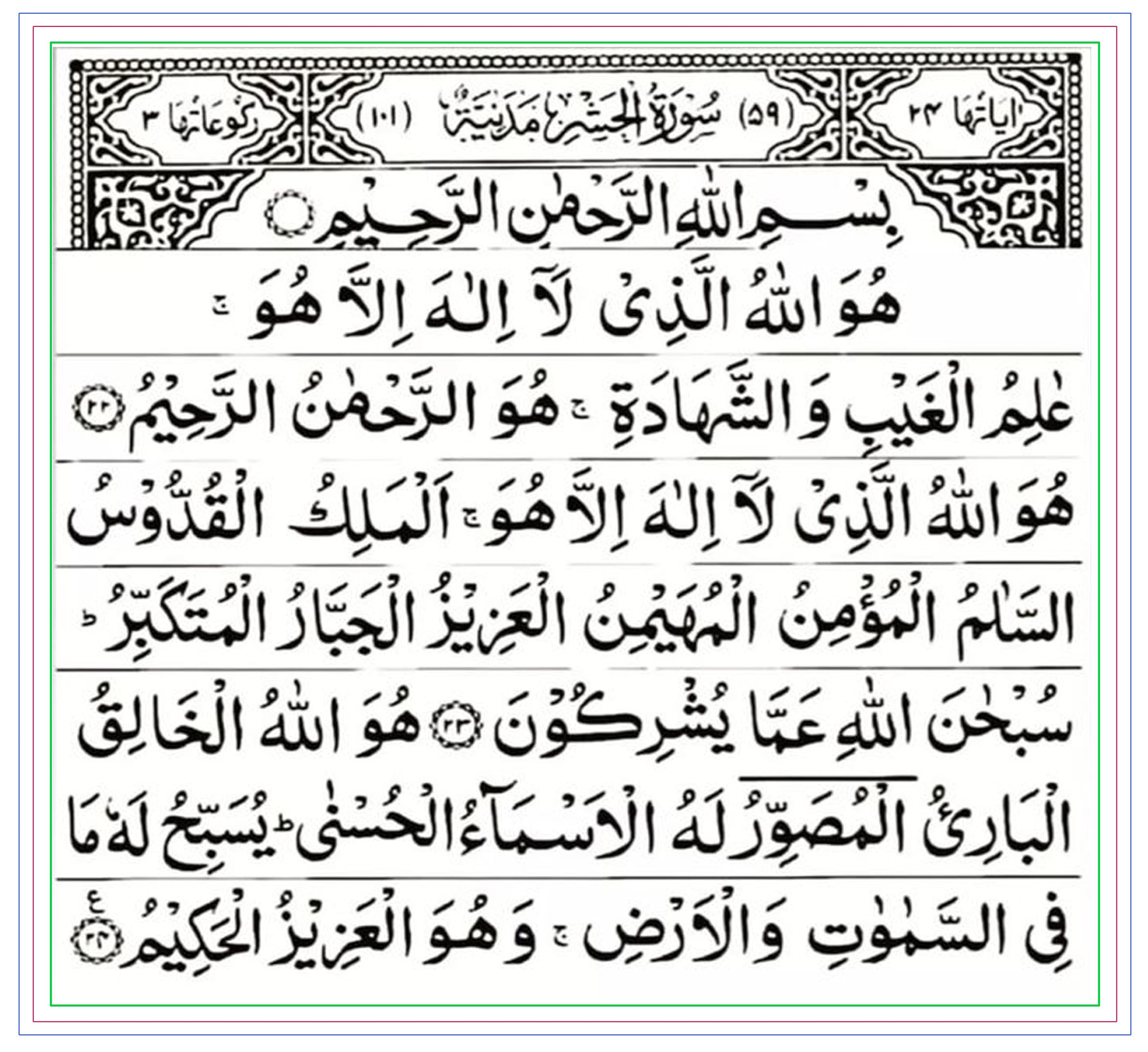
Arabic text
Transliteration
Allahu la ilaha illa huwa, al hayyul qayyum. La ta'khudhuhu sinatun wa la nawm. Lahu ma fis samawati wa ma fil ard. Man dhal ladhi yashfa'u 'indahu illa bi idhnih. Ya'lamu ma bayna aydihim wa ma khalfahum. Wa la yuhituna bi shay'im min 'ilmihi illa bima sha'. Wasi'a kursiyyuhus samawati wal ard. Wa la ya'uduhu hifdhuhuma. Wa huwal 'aliyyul 'azim.
English translation
Allah! There is no god but Him, the Ever Living, the Self Sustaining Sustainer of all. Neither drowsiness nor sleep overtakes Him. To Him belongs everything in the heavens and everything on the earth. Who can intercede with Him except by His permission? He knows what is before them and what is behind them, and they grasp nothing of His knowledge except what He wills. His Throne extends over the heavens and the earth, and preserving them does not tire Him. He is the Most High, the Magnificent.
Line by Line Meaning of Ayatul Kursi in English
1. Allah, the Ever Living and Self Sustaining
The verse opens by stating that none deserves worship except Allah. "Al Hayy" means His life never ends, and "Al Qayyum" means He keeps everything else in existence. Think of a lamp that needs constant electricity: creation needs Allah in the same way, every second.
2. No drowsiness and no sleep
Humans get tired and forget. Allah never does. This line reminds you that your needs, your prayers and your struggles are never overlooked.
3. Everything belongs to Him
Ownership of the heavens and earth is His alone. When you lose something or feel powerless, this line restores perspective.
4. Intercession only by permission
Not even the closest servants can speak for anyone without His leave. Shafa'ah, or intercession, exists, but it is always under Allah's authority.
5. Knowledge and the Throne
Human knowledge is tiny compared with His. The mention of the Kursi gives a picture of vast power. Some scholars say the Kursi refers to His knowledge, while others say it is a real Throne beneath the greater Arsh. Both views affirm His greatness.
7 Benefits of Ayatul Kursi in English and Arabic
The benefits below come from sound narrations. Always read them with the right intention: seeking Allah's help, not treating words as magic.
1. Protection through the night
In Sahih al Bukhari, Abu Hurayrah (may Allah be pleased with him) reported that reciting Ayatul Kursi at bedtime brings a guardian from Allah, and Shaytan will not come near until morning. Read the full story at Sunnah.com.
2. A verse of the highest rank
The Prophet (peace be upon him) named it the greatest verse, as noted earlier. A detailed explanation is available at IslamQA.
3. A link to Paradise after prayer
A hadith recorded by al Nasa'i says whoever recites it after each obligatory prayer has only death standing between them and Paradise. Several scholars graded it authentic, though some discuss its chain, so mention it with care.
4. Strengthening tawhid
Each line reinforces that Allah alone is worthy of worship. Regular reflection protects the heart from shirk and heedlessness.
5. Comfort during worry
Many Muslims share that reciting it slowly calms anxiety. This is a personal experience, not a medical cure, so seek professional help for serious distress.
6. Home blessings
Scholars mention reciting it when entering home, based on narrations about Shaytan fleeing from a house where Surah Al Baqarah is recited.
7. Easy to memorize, easy to keep
It is short enough for children and new Muslims, yet deep enough for a lifetime of reflection.
When to Recite Ayatul Kursi
- After every obligatory prayer: a simple habit after tasbih.
- Before sleep: recite it, then blow lightly into your hands and wipe over your body as taught in the Sunnah.
- Morning and evening: as part of your daily adhkar.
- When afraid or anxious: recite slowly and reflect on its meaning.
- When leaving or entering home: as a reminder to trust Allah.
A practical routine
Ahmed, a student, attaches the verse to habits he already has: once after Fajr, once after Isha and once in bed. After three weeks he knew it by heart without a dedicated study session.
How to Memorize Ayatul Kursi in English and Arabic
- Listen to a trusted reciter three times.
- Split the verse into five short parts, matching the five meanings above.
- Learn one part per day, saying the English meaning first.
- Write it from memory on day six.
- Recite it to a teacher or family member to correct tajweed mistakes.
Teach your children the same way: one short part each night, with a simple story about its meaning. Consistency beats speed.
Common Mistakes and Misunderstandings
Treating it as a lucky charm
The verse is worship and remembrance. Protection comes from Allah, along with trust and good deeds.
Skipping the meaning
Reciting without understanding is still rewarded, but reflection deepens the effect on your heart. Keep Ayatul Kursi in English nearby while you learn.
Relying on weak claims
Avoid online posts that promise wealth or instant miracles. Stick to narrations verified by qualified scholars.
Frequently Asked Questions About Ayatul Kursi in English
What is Ayatul Kursi in English?
It is the English meaning of Quran 2:255, which declares that Allah is the Ever Living, never sleeps, owns everything and has a Throne extending over the heavens and the earth.
Is Ayatul Kursi one verse or three?
Most scholars say it is verse 255 alone. Some recommend adding verses 256 and 257 as a precaution. Both practices are accepted.
Can I read Ayatul Kursi only in English?
The English text is a translation, not the Quran itself. Recite the Arabic for worship and use the English to understand it.
How many times should I recite it daily?
There is no fixed number. A common practice is once after each obligatory prayer and once before sleep.
Can women recite it during menstruation?
Scholars differ on reciting Quran during menstruation. Many allow reciting adhkar verses like this one for protection. Ask your trusted scholar for the opinion you follow.
Can children learn it?
Yes. Start with short parts, add stories about the meaning, and review daily with patience.
Ayatul Kursi in English opens a door to understanding one of the greatest verses ever revealed. Start small: learn one line, recite after your next prayer, and let its meaning settle in your heart. For more guides, visit Islamic Info Center and keep growing step by step.