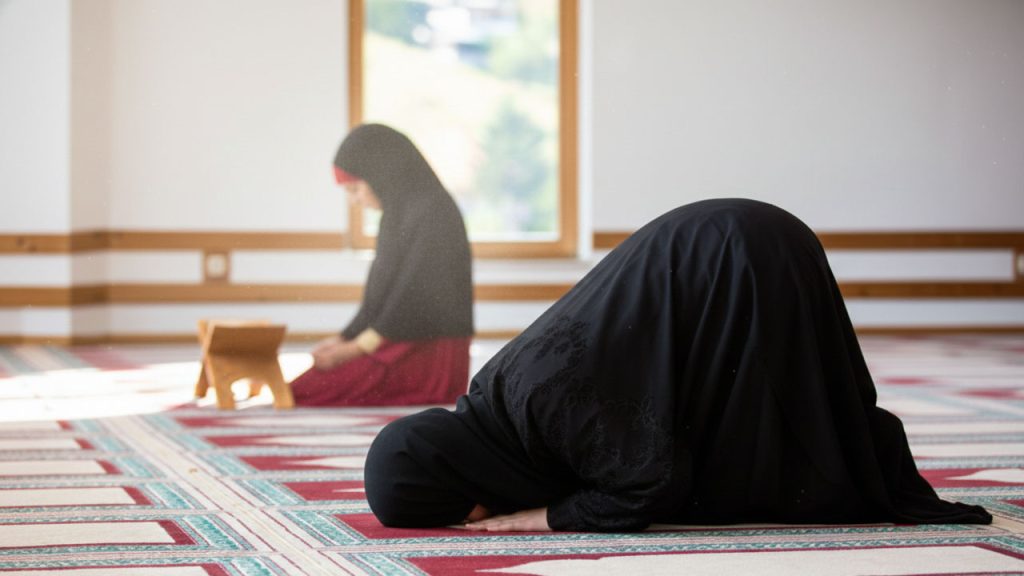
Today’s Prayer Times in NYC (New York City)
Prayer Times in NYC
Today’s Prayer Times in NYC (New York City) Learn More »

Islamic Info Center Home Today’s Timetable Calculation Methods Philly Mosques FAQs Explore Portal Live Delaware Valley Updates Prayer Times Philadelphia: Today’s Most Accurate Salah Timetable Stay connected to your daily prayers with real-time, verified astronomical schedules for Fajr, Dhuhr, Asr, Maghrib, and Isha across Philadelphia and the greater tri-state area. View Today’s Schedule Find Philly Mosques Accessing authentic, verified, and timely updates for prayer times Philadelphia channels is highly essential for Muslims living, studying, and working within the historic City of Brotherly Love. Whether you are navigating your daily commute through Center City, attending classes near University City, or residing in North, West, or South Philly, keeping an accurate prayer timetable is structural to maintaining spiritual grounding. Managing daily religious tasks in a vast East Coast metropolitan area presents unique scheduling dynamics. Seasonal atmospheric shifts dramatically change twilight windows along the Atlantic coastline, meaning verified calculation systems are vital to fulfilling your duties on time. This comprehensive reference portal balances high-precision astronomical algorithms with established jurisprudential standards to serve our local community. Important Advisory: Solar coordinates alter daily. Please confirm congregation (Iqamah) adjustments with your localized neighborhood masjid administration to stay perfectly synchronized. Today’s Verified Philadelphia Prayer Schedule High-accuracy data fields mapped for Philadelphia County coordinates ISNA Standard Calculation Prayer Name Adhan / Start Time Average Iqamah Time Astronomical Phase Detail Fajr (Dawn) 4:28 AM 4:55 AM True dawn begins / Sun sits at 15° below horizon Sunrise 5:52 AM — Upper edge of the sun emerges on eastern horizon Dhuhr (Midday) 1:02 PM 1:30 PM Zawal point / Sun passes the local meridian line Asr (Afternoon) 4:58 PM 5:15 PM Shadow size calculations fit Shafi’i/Hanafi matrices Maghrib (Sunset) 8:12 PM 8:17 PM Sun fully dips beneath the western horizon line Isha (Night) 9:36 PM 9:50 PM Evening twilight fades / Complete nightfall starts Spatial calculations track coordinates perfectly optimized for Philadelphia County (Latitude: 39.9526° N, Longitude: -75.1652° W). How Philadelphia Prayer Timetables Are Calculated Formulating an exact sequence for prayer times Philadelphia metrics requires a deep comprehension of math, solar positions, and geographic tracking. Unlike standard clock models that remain static, Islamic scheduling maps directly onto the sun’s position relative to Earth. The dawn, zenith, afternoon shadow lines, and evening twilight indicators serve as natural markers for the five daily prayers. Throughout the United States, major scholarly organizations like the Islamic Society of North America (ISNA) establish systematic rules. ISNA utilizes a 15-degree angle calculation to find Fajr and Isha phases. Other historic tracking bodies, including the Muslim World League (MWL) or the University of Islamic Sciences in Karachi, apply 18-degree angles, creating small variations in morning and night schedules. Latitude and Coastal Elevation Influences Philadelphia’s mid-Atlantic location means daylight hours shift significantly with the seasons. Summer brings long days, which pushes Maghrib and Isha prayers later into the evening. Winter causes the opposite, creating short daylight hours that compress Dhuhr, Asr, and Maghrib close together. To navigate these changes smoothly, use structured global resource systems like the Islamic Info Center. Tracking verified updates keeps your household, work, and mosque schedules perfectly aligned all year long. Key Mosques and Islamic Centers in Philadelphia Philadelphia is home to one of the oldest, most vibrant, and historically rich Muslim populations in the United States. Connecting with local institutions gives you easy access to daily congregational prayers, weekly Friday Jummah services, and community support networks. Philadelphia Masjid Historic Community Cornerstone A foundational pillars of Islamic history in the city, providing comprehensive educational classes, regular daily prayers, and community outreach events. Location: 4700 Wyalusing Ave, Philadelphia, PA 19131 Masjid Al-Jamia University City Hub Centrally located near major campus grids, serving a diverse demographic of local residents, international students, and professionals. Location: 4228 Walnut St, Philadelphia, PA 19104 Mosque of Brotherly Love Center City Outreach Center Provides accessible spaces for working commuters to fulfill their daily obligations right in the heart of downtown Philadelphia. Location: 721-23 N 6th St, Philadelphia, PA 19123 Masjidullah North Philly Institutional Campus An expansive facility featuring regular youth programs, full community services, and large congregational spaces for community events. Location: 7401 Limekiln Pike, Philadelphia, PA 19138 Jurisprudential Frameworks & Daily Work Adjustments For practicing believers, building an unshakeable prayer habit requires combining traditional Islamic knowledge with modern scheduling tools. Preserving your daily salah within its ordained solar window provides a regular spiritual anchor amidst the fast pace of modern life. The four foundational Islamic legal schools—Hanafi, Shafi’i, Maliki, and Hanbali—agree on the general astronomical rules for daily prayers. The main distinction occurs during Asr tracking. The Hanafi legal school tracks Asr when an object’s shadow measures twice its actual height (plus its baseline midday length). Meanwhile, the Shafi’i, Maliki, and Hanbali methods calculate Asr when the shadow equals the object’s height exactly. Most digital apps allow you to toggle this setting to match your preferred local traditions. “Fulfilling our prayers on time builds consistency and mindfulness, helping us stay steady through our daily professional and personal routines.” Balancing career demands with your prayer schedule at workplaces, universities, or transit centers like Philadelphia International Airport (PHL) takes proactive planning. Using travel prayer mats, quick Qibla direction apps, and checking in with local mosque updates makes it simple to stay consistent during your day. Frequently Asked Questions Regarding Prayer Times Philadelphia Answers to common calculation, administrative, and local travel questions. Why do different mobile apps display slightly different prayer times for Philadelphia? Small differences happen because of the different calculation methods used by each app. Selecting ISNA’s 15-degree twilight angle versus the Muslim World League’s 18-degree option can change Fajr and Isha times by a few minutes. Asr times also vary based on whether you choose the Hanafi or Shafi’i setting. How do seasonal changes affect the daily prayer times in Pennsylvania? Because Philadelphia is in the Northeast, daylight hours change dramatically between summer and winter. Winter compresses the time between Dhuhr, Asr, and Maghrib into a much shorter window, requiring careful planning to ensure you don’t miss a prayer.
Today’s Accurate Prayer Times Philadelphia | Muslim Prayer Times 2026 Learn More »
Dhul Hijjah Moon Sighting 2026: Official Dates, Significance & Announcements Dhul Hijjah Moon Sighting 2026: Confirmed Dates for the Blessed Month Official updates for the 1447 AH lunar calendar, Hajj schedules, and Eid al-Adha announcements following verified crescent sightings. The **Dhul Hijjah moon sighting** marks one of the most spiritually significant periods in the Islamic calendar. As the twelfth and final month of the Hijri year, Dhul Hijjah carries immense weight, hosting both the sacred Hajj pilgrimage and the global festival of Eid al-Adha. For millions of Muslims globally, confirming the appearance of the new crescent moon (Hilal) is the official gateway to the “Best Ten Days of the Year.” The Official Declaration of the Dhul Hijjah Moon Sighting In Islam, the beginning of every month is determined by the sighting of the new moon. The Dhul Hijjah moon sighting is unique because it dictates the precise timing of the “Day of Arafah” and the “Greatest Day of Sacrifice.” According to authentic narrations, the first ten days of this month are superior even to the days of Ramadan. On the evening of **Sunday, May 17, 2026** (29th of Dhul Qadah 1447 AH), astronomical centers and specialized moon-sighting committees across Saudi Arabia successfully sighted the new crescent moon. Consequently, the Supreme Court of Saudi Arabia officially declared the commencement of the holy month. Official Lunar Calendar for Dhul Hijjah 1447 AH (May 2026) Event Confirmed Date (Gregorian) Islamic Date (Hijri) Moon Sighting Evening Sunday, May 17, 2026 29 Dhul Qadah 1447 1st of Dhul Hijjah Monday, May 18, 2026 1 Dhul Hijjah 1447 Hajj Pilgrimage Begins Monday, May 25, 2026 8 Dhul Hijjah 1447 Day of Arafah Tuesday, May 26, 2026 9 Dhul Hijjah 1447 Eid al-Adha Wednesday, May 27, 2026 10 Dhul Hijjah 1447 The Science and Tradition Behind the Sightings The sighting of the moon depends on key astronomical factors: the lunar age, altitude above the horizon, and elongation (the angular separation between the sun and the moon). While modern metrics calculate the astronomical conjunction with total precision, Islamic tradition relies heavily on physical Ru’yah (visual sighting) to officially establish the month. For those looking for a deeper understanding of Islamic timing, remember that a lunar month spans either 29 or 30 days. Because the crescent was successfully spotted on the 29th night of Dhul Qadah (May 17), the previous month concluded without needing a 30th day. The Role of Saudi Arabia and Global Committees Since the main rites of Hajj occur across Mecca, Mina, and Arafah, the Supreme Court of Saudi Arabia makes the definitive global ruling regarding the Dhul Hijjah moon sighting. A vast majority of international communities align with the Saudi announcements to preserve global unity for the Day of Arafah. Concurrently, regional committees in places like Pakistan, India, and Morocco manage local visual horizons, which can occasionally create minor, localized date variances. Virtues of the First 10 Days of Dhul Hijjah Fasting on Arafah Fasting on the 9th day (May 26) expiates the sins of the previous year and the year to come for non-pilgrims. Increased Dhikr The Prophet (PBUH) encouraged saying SubhanAllah, Alhamdulillah, and Allahu Akbar frequently during these ten days. During this period, Muslims engage in abundant charity, voluntary fasting, and extra prayers. If you are planning to perform the Qurbani (sacrifice), it is an established Sunnah to refrain from cutting your hair or clipping your nails from the moment the **Dhul Hijjah moon sighting** is confirmed until your sacrifice is offered. Read our comprehensive Qurbani guidelines and ethics here. Practical Tips for Moon Sighting Find an Unobstructed Horizon: Scan the western sky shortly after twilight. Utilize Tools: Digital software like Stellarium or SkyView can orient you with the exact path of the moon’s track. Coordinate with Local Authorities: Join community groups to properly relay verified visual testimonies to your local judiciary boards. Exercise Patience: The young crescent (Hilal) is incredibly thin and usually sets within 20 to 30 minutes following sunset. Why the Islamic Calendar Shifts Annually Because the Islamic lunar year is roughly 11 days shorter than the standard Gregorian solar cycle, calendar months cycle backward through the seasonal year. This natural rotation ensures that religious observances like Hajj and fasting cycle through different weather conditions over a standard 33-year timeframe. “There are no days in which righteous deeds are more beloved to Allah than these ten days.” — Prophet Muhammad (PBUH) Frequently Asked Questions (FAQ) When was the Dhul Hijjah 2026 moon sighted? The crescent moon was officially sighted on Sunday evening, May 17, 2026. Therefore, the 1st day of Dhul Hijjah 1447 AH is Monday, May 18, 2026. What is the official date for Eid al-Adha 2026? In Saudi Arabia and for communities tracking the Hajj timeline, Eid al-Adha officially falls on Wednesday, May 27, 2026 (10th of Dhul Hijjah). Why do certain countries observe Eid al-Adha on different days? This occurs because of discrepancies in regional atmospheric visibility and differing jurisprudence stances (some countries require regional optical sightings, while others follow the central announcement from Mecca). When does the Hajj pilgrimage officially start in 2026? The rituals of Hajj begin on Monday, May 25, 2026 (8th of Dhul Hijjah), with pilgrims moving into Mina, followed by the day of Arafah on Tuesday, May 26, 2026. Prepare Your Heart for the Blessed Days Maximize the profound spiritual rewards of these sacred ten days. Stay connected with your local masjid for specific regional prayer schedules. View Essential Duas for Dhul Hijjah
Dhul Hijjah Moon Sighting 2026: Your Complete Guide to the Blessed Month Learn More »
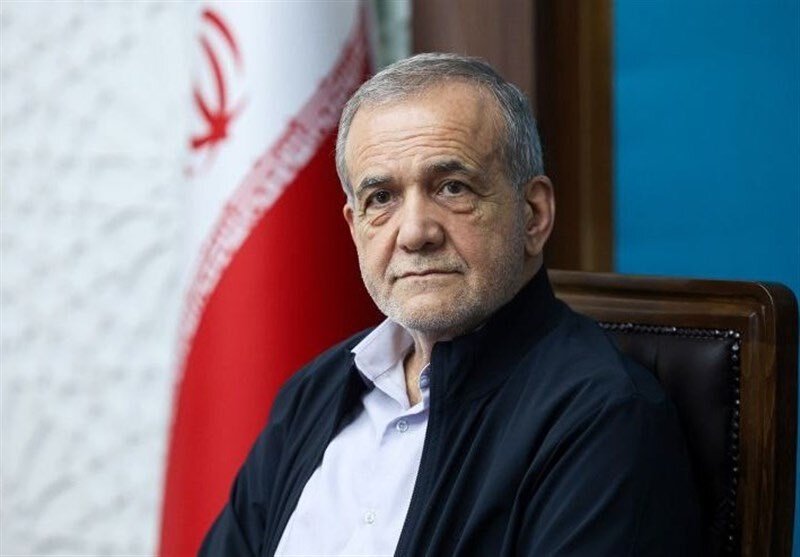
Detailed Profile: Masoud Pezeshkian | 9th President of Iran Leadership Archive 2026 Print Dossier Masoud Pezeshkian President of the Islamic Republic of Iran | Cardiac Surgeon Vital Statistics Status Alive (Serving Term) Born September 29, 1954 Religion Shia Muslim Heritage Azeri-Kurdish Specialization Cardiac Surgery Political Affiliation Reformist Service Timeline 2024–Present 9th President of Iran 2016–2020 First Deputy Speaker of Parliament 2001–2005 Minister of Health Digital Presence Official Communications: @drpezeshkian (X/Twitter) Masoud Pezeshkian Masoud Pezeshkian is an Iranian politician, cardiac surgeon, and reformist leader who became the 9th President of Iran in July 2024. Born on September 29, 1954, in Mahabad, he has built a long career in both medicine and politics. Before becoming president, Pezeshkian served as Iran’s Minister of Health and Medical Education from 2001 to 2005 under former President Mohammad Khatami. He also represented Tabriz in the Iranian parliament for many years and served as the First Deputy Speaker of parliament from 2016 to 2020. Known for his moderate and reformist views, Pezeshkian has advocated for greater social freedoms, economic reforms, and improved diplomatic relations with other countries. His presidency has drawn international attention as many view him as a leader seeking balance between domestic reform and Iran’s traditional political structure. Religious & Ideological Foundation Masoud Pezeshkian is a devout Shia Muslim. His political rhetoric is deeply infused with religious scholarship, frequently citing the Nahj al-Balagha (Path of Eloquence). He often utilizes the teachings of Imam Ali to advocate for social justice, government transparency, and the rights of the marginalized, bridging the gap between traditional religious values and modern reformist goals. Personal Resilience & Family A defining element of Pezeshkian’s public identity is his dedication to his family. In 1994, he lost his wife, Fatemeh Majidi (a gynecologist), and one of their daughters in a tragic car accident. Following this loss, Pezeshkian famously chose not to remarry, instead raising his remaining three children as a single father while balancing an intensive medical and political career. Zahra Pezeshkian: His daughter, a chemistry graduate, who emerged as a key advisor and visible figure during his 2024 campaign. Yousef & Mehdi: His two sons, who maintain private lives but remain supportive of his executive mission. Economic Standing While exact figures for his net worth are not public record, Pezeshkian has long emphasized a modest lifestyle. His wealth is primarily attributed to his decades of service as a high-ranking cardiac surgeon and professor of medicine. During his presidency, he has campaigned on a platform of “economic justice,” often contrasting his background with the perceived opulence of the political elite. Medical Excellence Before his presidency, he served as the President of Tabriz University of Medical Sciences and later as the Minister of Health. He is noted for his hands-on approach, having continued to perform surgeries even while serving in parliament, maintaining his status as a licensed and practicing cardiac surgeon. “Clinical precision applied to the state: Pezeshkian’s approach to governance is often described as diagnostic, seeking to treat systemic issues with the care of a specialist.” Document Compiled by Research Division Sources: USIP Iran Primer, Official Gazette & Internal Archives Last Modified: May 15, 2026 | Ref: IR-BIO-2026-UPDATE
Masoud Pezeshkian Biography Learn More »
Breaking News About Moon Sighting Today Saudi Arabia: Official Dhul Hijjah 1447 Confirmed for Hajj & Eid al-Adha 2026 OFFICIAL SAUDI DECREE: The Dhul Hijjah crescent moon HAS BEEN SIGHTED in Saudi Arabia. • 1st DHUL HIJJAH 1447: Officially starts tomorrow, Monday, May 18, 2026. • EID AL-ADHA DATE: Wednesday, May 27, 2026 confirmed. • DAY OF ARAFAH: Tuesday, May 26, 2026. OFFICIAL ANNOUNCEMENT • SUNDAY, MAY 17, 2026 Moon Sighting Confirmed in Saudi Arabia: Dhul Hijjah 1447 Commences The Saudi Supreme Court officially declares successful crescent sightings tonight. Hajj and Eid al-Adha 2026 timelines are now finalized. 1st of Dhul Hijjah Monday, May 18, 2026 Officially Confirmed Day of Arafah (Hajj Peak) Tuesday, May 26, 2026 9th Dhul Hijjah 1447 Eid al-Adha Celebration Wednesday, May 27, 2026 10th Dhul Hijjah 1447 Supreme Court Officially Declares Crescent Sighted Following verified testimonies from major observatory stations including Tumair and Sudair, the Supreme Court of Saudi Arabia has formally established the start of the sacred month. The crescent moon was successfully spotted on Sunday evening, May 17, 2026 (marking the end of Dhul Qa’dah). Official astronomy reports confirm that optimal atmospheric clarity enabled regional moon-sighting committees to successfully document the crescent. Global communities across Indonesia, Malaysia, and the wider Middle East have similarly aligned and confirmed the same official timeline. Verified Hajj 2026 Milestones With the official confirmation of the lunar calendar, the timeline for millions of pilgrims traveling to Makkah is permanently locked into place: May 18 (1 Dhul Hijjah): Official start of the holy month. Last-minute regional airlifts converge into KSA. May 25 (8 Dhul Hijjah): The official Hajj rituals begin as pilgrims transition into the Mina tent city (Yawm at-Tarwiyah). May 26 (9 Dhul Hijjah): Day of Arafah. Pilgrims stand on the plains of Mount Arafat for peak prayers and supplications. May 27 (10 Dhul Hijjah): Eid al-Adha globally begins along with the sacrificial animal rituals (Qurbani). Final Moon Sighting Verdict Observation Date Sunday, May 17, 2026 Crescent Sky Status SEEN / VERIFIED Dhul Qa’dah Length Ended at 29 Days Conclusion: The Saudi Royal Court has approved the tracking logs. There are no changes or shifts expected in the official public sector holiday schedules already distributed across the GCC states. Official Locked Hajj & Eid Timeline 2026 MAY 18 Dhul Hijjah 1 Month Begins MAY 25 Hajj Starts Mina Movement MAY 26 Arafah Day Peak of Hajj MAY 27 Eid al-Adha Qurbani Begins Frequently Asked Questions What was the final decision regarding the moon sighting timeline? The Saudi Supreme Court finalized the declaration on the evening of May 17, confirming successful sighting results. Therefore, Dhul Hijjah did not require completing a 30-day cycle for the previous month. Will South Asian countries (India, Pakistan, Bangladesh) have different dates? Because the 29th of Dhul Qa’dah uniquely aligned on Sunday, May 17 across both the Middle East and South Asia due to global lunar positioning, many regional committees are matching the Saudi dates this year, subject to their immediate local sunset confirmations. Are the Hajj 2026 security protocols affected by these dates? No. The timeline perfectly aligns with Ministry of Hajj plans. Strict checkpoints enforce that all active pilgrims must carry their physical or digital Nusuk card starting immediately upon the first day of the new month. Authored by the Islamic Info Center Editorial Team Real-time data sourced from SPA (Saudi Press Agency) & KSA Supreme Court Announcements. Hajj Guide 2026 Eid al-Adha Rules
Breaking News about moon sighting today Saudi Arabia Learn More »
Virtues of Dhul Hijjah in Islam: 10 Best Days for Massive Rewards Islamic Info Center Home Hajj Guide Fasting Duas Dhul Hijjah 1447-1448 Virtues of Dhul Hijjah in Islam The first ten days are the most virtuous period of the year for righteous deeds — beloved to Allah more than any other time. Unlock These Immense Rewards The virtues of Dhul Hijjah in Islam stand unparalleled. The first ten days of this blessed month are widely regarded by scholars as the best days of the entire year for performing righteous deeds. Allah swears by them in the Holy Quran, and the Prophet Muhammad ﷺ highly encouraged increased worship during this period. “There are no days in which righteous deeds are more beloved to Allah than these ten days.” — Prophet Muhammad ﷺ (Sahih al-Bukhari) Allah Swears by the Ten Days of Dhul Hijjah Allah begins Surah Al-Fajr with an oath: “By the dawn, And by the ten nights” — Surah Al-Fajr (89:1-2) According to the consensus of major scholars including Ibn Abbas, Ibn Zubayr, Mujahid, and Ibn Kathir (rahimahullah), these “ten nights” refer to the first ten days of Dhul Hijjah. This divine oath highlights their extraordinary status. Core Virtues of Dhul Hijjah in Islam 🏆 Superior to All Other Days The Prophet ﷺ stated that no days are greater in the sight of Allah, nor are righteous deeds more beloved to Him, than these ten days. ⚔️ Greater Than Jihad (in Most Cases) Ibn Abbas reported: The companions asked, “Not even Jihad?” The Prophet ﷺ replied, “Not even Jihad, except for a man who risks himself and his wealth and returns with nothing.” Best Deeds to Perform – Virtues of Dhul Hijjah in Islam 1. Fasting the First Nine Days (Especially Arafah) Fasting during these days carries immense reward. The Prophet ﷺ said fasting on the Day of Arafah (9th) expiates the sins of the previous year and the year to come. — Sahih Muslim Read our complete Sunnah Fasting Guide → 2. Abundant Dhikr and Takbir The Prophet ﷺ commanded: “Increase in these days with Tahleel (La ilaha illallah), Takbir (Allahu Akbar), and Tahmeed (Alhamdulillah).” Recite loudly from the 9th until the 13th. 3. The Day of Arafah – The Crown of Dhul Hijjah The 9th of Dhul Hijjah is the greatest day of the year. On this day, Allah draws near to the earth, boasts about the pilgrims to the angels, and frees more people from Hellfire than any other day. The best dua is the dua of Arafah. Even non-pilgrims should fast, make abundant dua, seek forgiveness, and engage in worship. 4. Qurbani (Udhiyah) – Sacrifice Performing sacrifice on the 10th, 11th, 12th or 13th is a major Sunnah. It commemorates the obedience of Prophet Ibrahim (AS). Distribute the meat to family, friends, and the needy. Learn Qurbani rulings and benefits → Day-by-Day Significance Day Significance 1st – 8th Preparation, fasting, dhikr, repentance. 8th is Yaum al-Tarwiyah. 9th – Arafah Most virtuous day. Fasting + dua. Massive forgiveness. 10th – Eid al-Adha Sacrifice, Takbir, celebration, gratitude. 11th – 13th Days of Tashreeq. Continue Takbir and dhikr. Additional Virtues and Scholarly Insights Ibn Rajab al-Hanbali explained that obligatory deeds in these ten days are superior, and voluntary deeds carry greater reward than at any other time. These days gather the greatest acts of worship: Hajj, sacrifice, fasting, prayer, charity, and dhikr. The completion of Islam (Surah Al-Ma’idah 5:3) occurred on the Day of Arafah, further elevating its status. Quran Recitation Rewards are multiplied. Charity & Helping Others Especially during Eid. Sincere Repentance Tawbah opens doors of mercy. 🕌 Compiled by Islamic Info Center Research Team Sourced from Sahih al-Bukhari, Sahih Muslim, Tafsir Ibn Kathir, and explanations by classical scholars. Reviewed for accuracy in 2026. Always consult local scholars for personal guidance. Frequently Asked Questions Are the first ten days of Dhul Hijjah better than the last ten of Ramadan? The first ten days of Dhul Hijjah are the best days of the year for righteous deeds in general, while the last ten nights of Ramadan are superior due to Laylatul Qadr. Can women fast on Arafah? Yes, it is highly recommended unless they are menstruating or have other valid exemptions. What is the best supplication on Arafah? The Prophet ﷺ said the best dua is: “La ilaha illallahu wahdahu la sharika lah, lahul-mulku wa lahul-hamd, wa huwa ala kulli shay’in qadir.” Sources: Sahih al-Bukhari, Sahih Muslim, Tafsir Ibn Kathir, and statements of the Salaf. For more Islamic resources, visit Islamic Info Center.
Virtues of dhul hijjah in islam Learn More »