
Why Do Muslims Fast During Ramadan? 7 Powerful, Beautiful Reasons Explained
Why do muslims fast during ramadan? The short answer is obedience to Allah, growth in God consciousness (taqwa) and a month of mercy and self discipline. Fasting, called Sawm, is the fourth pillar of Islam, and more than a billion Muslims practise it every year from dawn to sunset. This guide explains the reasons clearly, with Quran verses, Hadith and simple everyday examples.
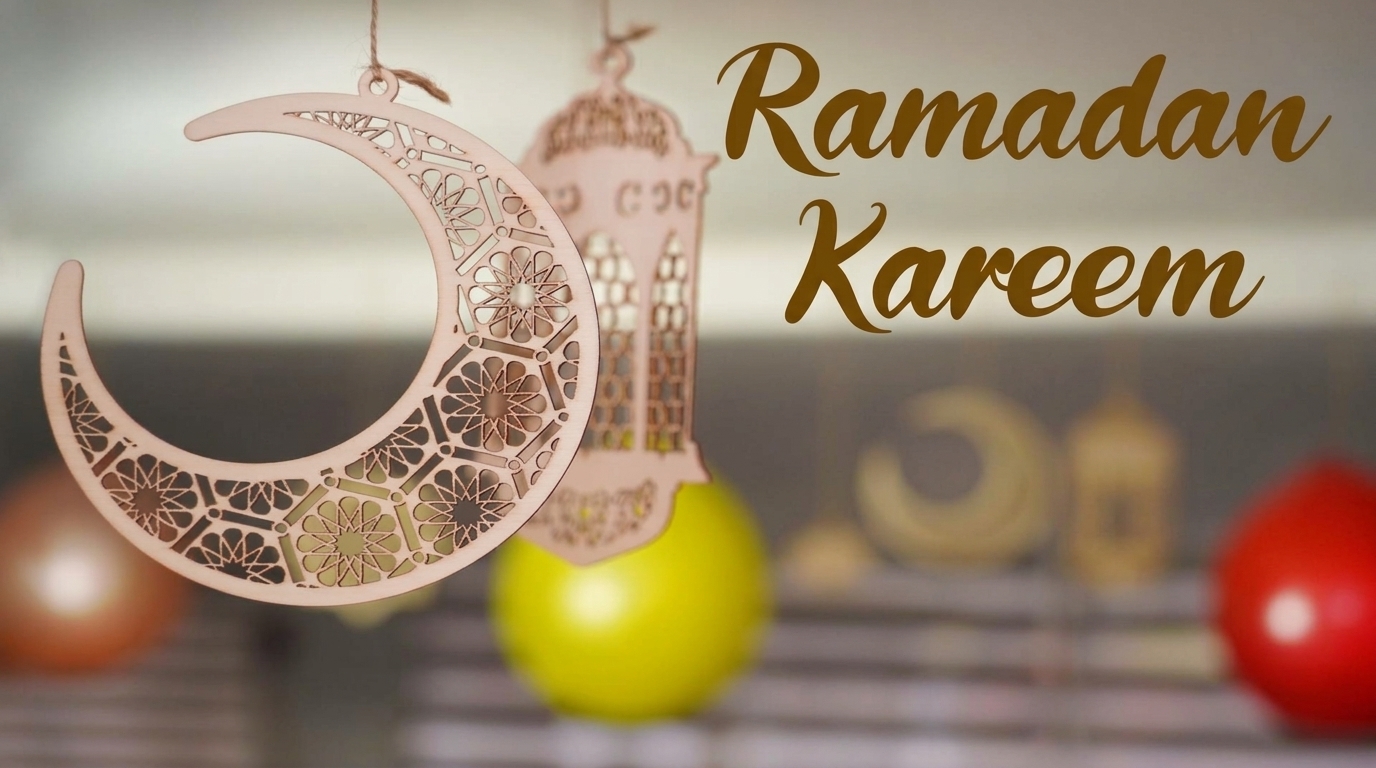
Why Do Muslims Fast During Ramadan? The Core Reason
The core reason is worship. Muslims believe fasting is a direct command from their Creator, just like prayer and charity. It is not a diet, a tradition borrowed from culture or a test of hunger for its own sake.
During the fast, a Muslim refrains from food, drink and marital relations from true dawn (Fajr) until sunset (Maghrib). The heart is trained too: no lying, arguing or backbiting. You can read the full background in our guide on what is Ramadan.
What the Quran Says About Fasting in Ramadan
"O you who have believed, decreed upon you is fasting as it was decreed upon those before you that you may become righteous."
Quran 2:183 (Surah Al Baqarah). Read it on Quran.com"The month of Ramadan is that in which was revealed the Quran, a guidance for mankind and clear proofs of guidance and criterion. So whoever sees the month, let him fast it."
These two verses answer the question directly. Fasting is commanded, it was prescribed for earlier nations as well, and its goal is righteousness. Ramadan is also honoured because it is the month in which revelation began.

7 Reasons Why Muslims Fast During Ramadan
1. Obedience to Allah
Fasting is a pillar of faith. A Muslim fasts first because Allah asked for it, and trust in that command is itself an act of love. The Prophet (peace be upon him) said Islam is built on five pillars, and Sawm is one of them (Sahih al Bukhari 8).
2. Building Taqwa (God Consciousness)
The Quran states the goal clearly: "that you may become righteous." When you can resist a cold drink on a hot afternoon with no one watching, you learn to resist wrongdoing in other areas too.
3. Forgiveness of Sins
"Whoever fasts Ramadan out of faith and seeking reward, his previous sins will be forgiven."
Sahih al Bukhari 38. Read it on Sunnah.comThis hope is one of the strongest motivations. Muslims enter the month asking for a fresh start.
4. Empathy for the Poor
Hunger is understood, not just read about. After a full day without food, many people think differently about neighbours who struggle every day. That is why charity increases in Ramadan, including Zakat and Sadaqah.
5. Self Discipline and Patience
Fasting is training in patience (sabr). It teaches control over appetite, anger and speech. The Prophet (peace be upon him) warned that a fast without good conduct loses its value.
"Whoever does not give up false speech and acting upon it, Allah has no need of his giving up food and drink."
Sahih al Bukhari 1903 (meaning)6. Celebrating the Revelation of the Quran
Ramadan is the month of the Quran. Muslims increase recitation, listen to the Quran in Taraweeh prayers and reflect on its guidance. Fasting creates the quiet space for that connection.
7. Closeness to Allah and Reward Without Limit
The Hadith Qudsi says that every deed of a son of Adam is for himself except fasting, which is for Allah, and He rewards it Himself (Sahih al Bukhari 1904). There is also a gate of Paradise named Ar Rayyan, reserved for those who fast.

Spiritual and Health Benefits of Fasting in Ramadan
The main reason Muslims fast is worship, but many also notice side benefits. These are blessings, not the purpose.
Spiritual Benefits
- A stronger habit of prayer and Quran recitation.
- Deeper gratitude for everyday blessings like water and food.
- A sense of unity with Muslims worldwide.
- Renewed focus on forgiveness and repentance.
Possible Physical and Mental Benefits
Many people report better routines, mindful eating and reduced snacking. Researchers study intermittent fasting patterns, but results vary by person. If you have a medical condition, speak to your doctor before fasting. Read more about the practice in our page on fasting in Islam.
How Muslims Fast During Ramadan: A Simple Daily Routine
| Time | What happens |
|---|---|
| Before dawn | Suhoor, the pre dawn meal, and intention (niyyah) |
| Fajr | Fast begins after the dawn prayer time starts |
| Daytime | Work, study, Quran recitation, dhikr |
| Maghrib | Iftar, breaking the fast, often with dates and water |
| Night | Isha, Taraweeh prayers and charity |
To get exact start and end times for your city, use our prayer times page.
A Practical Example
Imagine a student who wakes at 4:00 AM, eats oats, dates and water for suhoor, prays Fajr and studies. At midday she prays Dhuhr and reads a few pages of Quran. At sunset she breaks her fast with dates and soup, then prays Maghrib. She feels tired at first, but by the second week the routine feels natural.
Who Is Excused From Fasting?
Islam is a religion of ease. Allah says He intends ease for you and not hardship (Quran 2:185). The following groups may be excused:
- Children who have not reached puberty.
- The sick, and the elderly who cannot fast.
- Travellers on a long journey, who make up the days later.
- Pregnant or breastfeeding women if fasting is harmful, with make up days or fidya as scholars advise.
- Women during menstruation or postnatal bleeding, who make up the days later.
Rulings can differ by case, so ask a trusted scholar.

Why Do Muslims Fast During Ramadan Specifically?
Ramadan is the ninth month of the Islamic lunar calendar. It was chosen by Allah as the month of fasting because the Quran began to be revealed in it, and it contains Laylat al Qadr, the Night of Power, better than a thousand months. See where it fits among the twelve Islamic months.
The month begins and ends with the sighting of the new moon, so it lasts 29 or 30 days. It ends with Eid al Fitr, a day of thanks and joy. For a neutral overview of Ramadan around the world, see Britannica on Ramadan.
Common Misunderstandings About Ramadan Fasting
"Fasting is only about hunger."
It is about the whole person. Eyes, tongue and heart fast too.
"It is a punishment."
Muslims describe it as a gift and a season of mercy, with joy at iftar and shared meals.
"You can fast without prayer or good behaviour."
Fasting is part of a complete life of worship. The Prophet (peace be upon him) linked it with good character, as the Hadith above shows.
Tips to Make Your Fast Easier and More Meaningful
- Drink plenty of water between iftar and suhoor.
- Eat slow release foods like oats, eggs, lentils and fruit at suhoor.
- Break the fast with dates and water, following the Sunnah.
- Sleep early and take short rests where possible.
- Set a small daily Quran target and a daily charity.
Related Reading from Islamic Info Center
- Five Pillars of Islam explained
- What is Sawm in Islam
- The month of Shaban
- Shawwal and the six day fast
Frequently Asked Questions: Why Do Muslims Fast During Ramadan?
Why do muslims fast during ramadan in simple words?
Because Allah commanded it, to grow in God consciousness, seek forgiveness, build self control and feel compassion for the poor.
Is fasting in Ramadan compulsory?
Yes, for adult Muslims who are healthy and not travelling. It is one of the five pillars of Islam.
What breaks the fast?
Intentionally eating, drinking or marital relations during fasting hours. Forgetfully eating or drinking does not break it.
Why do Muslims break the fast with dates?
Following the practice of the Prophet (peace be upon him), who broke his fast with fresh dates, or dry dates, or water.
Do Muslims fast at night?
No. Eating and drinking are permitted from sunset until true dawn.
How long is the fast each day?
It depends on your location and season, from about 11 to over 18 hours in some places. Check local times on our prayer times page.
Can non Muslims fast in Ramadan?
Anyone may try fasting out of curiosity or solidarity. The religious reward, however, is tied to faith and intention.
Conclusion
Why do muslims fast during ramadan? Because fasting brings a believer closer to Allah, trains the heart in patience and gratitude, and opens the door to forgiveness. May Allah accept your fasts and make this Ramadan a turning point. Continue learning with our guide to fasting in Islam.
Disclaimer: This article is for general education. For personal rulings or health decisions, consult a qualified scholar and your doctor.