Uncategorized

Uncategorized

List of chapters in the Quran

Complete List of Quranic Surahs List of Quranic Chapters (Surahs) The Qur’an contains 114 chapters (Surahs). Each Surah varies in length and theme. They were revealed to Prophet Muhammad ﷺ over approximately 23 years. Surahs are categorized as Meccan (revealed in Mecca) or Medinan (revealed in Medina). # Surah Name Meaning Verses Type 1 Al-Fatihah The Opening 7 Meccan 2 Al-Baqarah The Cow 286 Medinan 3 Ali ‘Imran Family of Imran 200 Medinan 4 An-Nisa The Women 176 Medinan 5 Al-Ma’idah The Table Spread 120 Medinan 6 Al-An’am The Cattle 165 Meccan 7 Al-A’raf The Heights 206 Meccan 8 Al-Anfal The Spoils of War 75 Medinan 9 At-Tawbah The Repentance 129 Medinan 10 Yunus Jonah 109 Meccan 11 Hud Hud 123 Meccan 12 Yusuf Joseph 111 Meccan 13 Ar-Ra’d The Thunder 43 Medinan 14 Ibrahim Abraham 52 Meccan 15 Al-Hijr The Rocky Tract 99 Meccan 16 An-Nahl The Bee 128 Meccan 17 Al-Isra The Night Journey 111 Meccan 18 Al-Kahf The Cave 110 Meccan 19 Maryam Mary 98 Meccan 20 Ta-Ha Ta-Ha 135 Meccan 21 Al-Anbiya The Prophets 112 Meccan 22 Al-Hajj The Pilgrimage 78 Medinan 23 Al-Mu’minun The Believers 118 Meccan 24 An-Nur The Light 64 Medinan 25 Al-Furqan The Criterion 77 Meccan 26 Ash-Shu’ara The Poets 227 Meccan 27 An-Naml The Ant 93 Meccan 28 Al-Qasas The Stories 88 Meccan 29 Al-Ankabut The Spider 69 Meccan 30 Ar-Rum The Romans 60 Meccan 31 Luqman Luqman 34 Meccan 32 As-Sajdah The Prostration 30 Meccan 33 Al-Ahzab The Confederates 73 Medinan 34 Saba Sheba 54 Meccan 35 Fatir Originator 45 Meccan 36 Ya-Sin Ya-Sin 83 Meccan 37 As-Saffat Those Who Set the Ranks 182 Meccan 38 Sad The Letter Sad 88 Meccan 39 Az-Zumar The Troops 75 Meccan 40 Ghafir The Forgiver 85 Meccan 41 Fussilat Explained in Detail 54 Meccan 42 Ash-Shura The Consultation 53 Meccan 43 Az-Zukhruf The Gold Adornments 89 Meccan 44 Ad-Dukhan The Smoke 59 Meccan 45 Al-Jathiyah The Kneeling 37 Meccan 46 Al-Ahqaf The Wind-Curved Sandhills 35 Meccan 47 Muhammad Muhammad 38 Medinan 48 Al-Fath The Victory 29 Medinan 49 Al-Hujurat The Chambers 18 Medinan 50 Qaf The Letter Qaf 45 Meccan 51 Adh-Dhariyat The Winnowing Winds 60 Meccan 52 At-Tur The Mount 49 Meccan 53 An-Najm The Star 62 Meccan 54 Al-Qamar The Moon 55 Meccan 55 Ar-Rahman The Most Merciful 78 Medinan 56 Al-Waqi’ah The Inevitable 96 Meccan 57 Al-Hadid The Iron 29 Medinan 58 Al-Mujadila The Pleading Woman 22 Medinan 59 Al-Hashr The Exile 24 Medinan 60 Al-Mumtahanah The Woman to be Examined 13 Medinan 61 As-Saff The Ranks 14 Medinan 62 Al-Jumu’ah The Congregation 11 Medinan 63 Al-Munafiqun The Hypocrites 11 Medinan 64 At-Taghabun The Mutual Loss and Gain 18 Medinan 65 At-Talaq Divorce 12 Medinan 66 At-Tahrim The Prohibition 12 Medinan 67 Al-Mulk The Sovereignty 30 Meccan 68 Al-Qalam The Pen 52 Meccan 69 Al-Haqqah The Reality 52 Meccan 70 Al-Ma’arij The Ascending Stairways 44 Meccan 71 Nuh Noah 28 Meccan 72 Al-Jinn The Jinn 28 Meccan 73 Al-Muzzammil The Enshrouded One 20 Meccan 74 Al-Muddathir The Cloaked One 56 Meccan 75 Al-Qiyamah The Resurrection 40 Meccan 76 Al-Insan The Human 31 Medinan 77 Al-Mursalat The Emissaries 50 Meccan 78 An-Naba The Tidings 40 Meccan 79 An-Nazi’at Those Who Drag Forth 46 Meccan 80 Abasa He Frowned 42 Meccan 81 At-Takwir The Overthrowing 29 Meccan 82 Al-Infitar The Cleaving 19 Meccan 83 Al-Mutaffifin The Defrauding 36 Meccan 84 Al-Inshiqaq The Splitting Open 25 Meccan 85 Al-Buruj The Constellations 22 Meccan 86 At-Tariq The Morning Star 17 Meccan 87 Al-A’la The Most High 19 Meccan 88 Al-Ghashiyah The Overwhelming 26 Meccan 89 Al-Fajr The Dawn 30 Meccan 90 Al-Balad The City 20 Meccan 91 Ash-Shams The Sun 15 Meccan 92 Al-Layl The Night 21 Meccan 93 Ad-Duhaa The Morning Brightness 11 Meccan 94 Ash-Sharh The Relief 8 Meccan 95 At-Tin The Fig 8 Meccan 96 Al-Alaq The Clot 19 Meccan 97 Al-Qadr The Power 5 Meccan 98 Al-Bayyinah The Clear Proof 8 Medinan 99 Az-Zalzalah The Earthquake 8 Medinan 100 Al-Adiyat The Chargers 11 Meccan 101 Al-Qari’ah The Calamity 11 Meccan 102 At-Takathur Rivalry in Worldly Increase 8 Meccan 103 Al-Asr The Time 3 Meccan 104 Al-Humazah The Slanderer 9 Meccan 105 Al-Fil The Elephant 5 Meccan 106 Quraysh Quraysh 4 Meccan 107 Al-Ma’un Small Kindnesses 7 Meccan 108 Al-Kawthar Abundance 3 Meccan 109 Al-Kafirun The Disbelievers 6 Meccan 110 An-Nasr The Divine Help 3 Medinan 111 Al-Masad The Palm Fiber 5 Meccan 112 Al-Ikhlas The Sincerity 4 Meccan 113 Al-Falaq The Daybreak 5 Meccan 114 An-Nas Mankind 6 Meccan

List of chapters in the Quran Learn More »

Ayatollah Khamenei death
Uncategorized

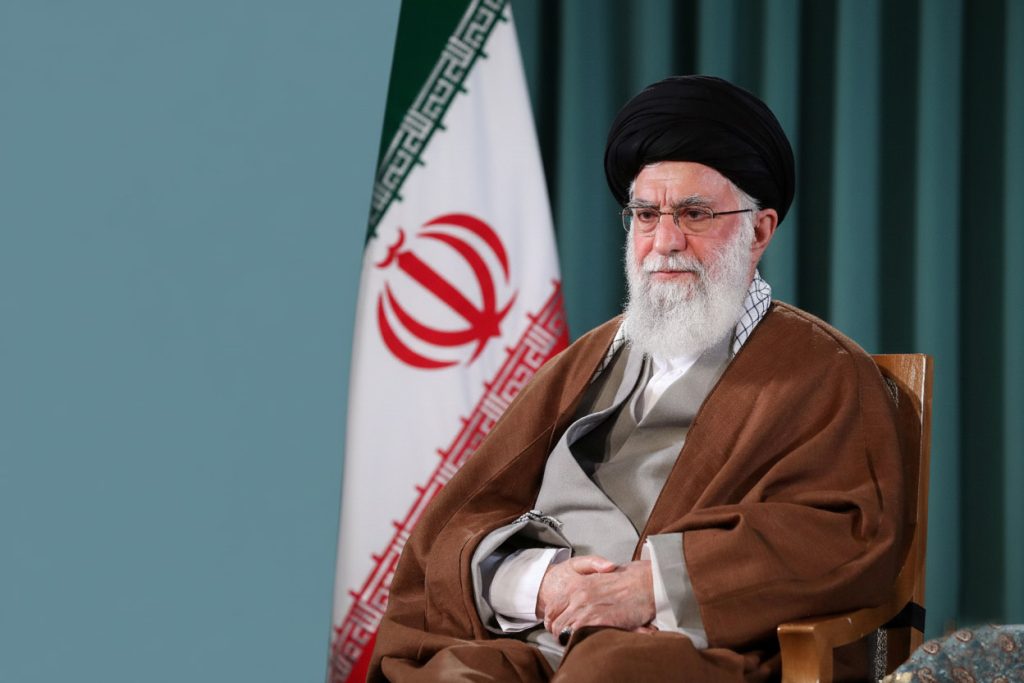
Ayatollah Ali Khamenei: The Architect of Modern Iran

    Ayatollah Ali Khamenei Published: March 2026 | Historical Biography Series Fast Facts Full Name: Sayyid Ali Hosseini Khamenei Born: April 19, 1939 (Mashhad, Iran) Died: February 28, 2026 Positions: 3rd President (1981–1989) 2nd Supreme Leader (1989–2026) Succession: Succeeded Ruhollah Khomeini Ayatollah Ali Khamenei was the second Supreme Leader of the Islamic Republic of Iran, serving for over 36 years until his death in February 2026. As the ultimate authority in the country, he wielded absolute power over the military, judiciary, and state media, steering the nation through decades of international sanctions, regional proxy wars, and internal dissent. Early Life and Education Born in 1939 in the holy city of Mashhad, Khamenei was the second of eight children in a religious family. His father was a prominent cleric of Azerbaijani descent. Following the traditional path of a scholar, Khamenei began his religious education at a young age, eventually moving to the theological seminaries of Najaf and Qom. It was in Qom that he met Ayatollah Ruhollah Khomeini, the future founder of the Islamic Republic. This mentorship shaped his political ideology, leading him to join the opposition against the pro-Western Shah, Mohammad Reza Pahlavi. During the 1960s and 70s, Khamenei was arrested six times by the Shah’s secret police (SAVAK) and was eventually exiled for his revolutionary activities. Rise to Power and Presidency Following the 1979 Revolution, Khamenei emerged as a central figure in the new government. He survived an assassination attempt in 1981 that left his right arm paralyzed, an injury that only served to bolster his reputation as a “living martyr.” He served as the President of Iran from 1981 to 1989 during the brutal Iran-Iraq War. While the presidency was largely ceremonial at the time, Khamenei focused on maintaining internal stability and forging a deep alliance with the Islamic Revolutionary Guard Corps (IRGC). The Supreme Leadership (1989–2026) After Khomeini’s death in 1989, the Assembly of Experts elected Khamenei as the Supreme Leader. Though some clerics initially questioned his religious credentials, the constitution was amended to allow his elevation. Over the next three decades, he consolidated power, transforming the office into the epicenter of Iranian politics. His tenure was marked by a steadfast commitment to the “Axis of Resistance”—a network of regional allies including Hezbollah in Lebanon, the Syrian government, and various militias in Iraq and Yemen. Domestically, he was known for his conservative stance, suppressing movements for reform such as the 2009 Green Movement and the 2022 “Woman, Life, Freedom” protests. Legacy and Death Khamenei’s leadership concluded in early 2026. He leaves behind a nation that is both a regional energy superpower and a state deeply divided by economic challenges and social restrictions. To his supporters, he was the defiant guardian of Islamic sovereignty against “Global Arrogance” (the West); to his critics, he was an authoritarian who prioritized ideological purity over the welfare of his people. His passing marks the end of an era for the Islamic Republic, leaving a vacuum at the top of one of the Middle East’s most influential and controversial political systems.  

Ayatollah Ali Khamenei: The Architect of Modern Iran Learn More »

When Does Ramadan End
Uncategorized

When Does Ramadan End? Worldwide 2026 Dates and Regional Updates

Ramadan End 2026: Eid al-Fitr Confirmed & Live Moon Sighting Update When Does Ramadan End 2026? STATUS: CONFIRMED — Friday, March 20, 2026 is the 1st of Shawwal (Eid al-Fitr) for most countries. Ramadan 1447 AH has officially concluded. The holy month of Ramadan 2026 has come to a close. After 30 days of fasting, the Shawwal crescent moon was sighted (or the 30-day count completed) on the evening of Thursday, March 19. Today, Friday, March 20, marks the start of Eid al-Fitr for the global Muslim Ummah in the West and Middle East. The sighting of the Shawwal crescent marks the official transition from Ramadan to Eid al-Fitr. 1. Final Confirmed Dates & Eid al-Fitr 1447 AH Based on official announcements from the Saudi Supreme Court and major UK Mosques, here is the final status of the 2026 lunar cycle: Region Last Day of Fasting Eid al-Fitr Status Saudi Arabia / UAE Thursday, March 19 TODAY: Friday, March 20 UK / Europe Thursday, March 19 TODAY: Friday, March 20 USA / Canada Thursday, March 19 TODAY: Friday, March 20 India / Pakistan / Bangladesh Friday, March 20 (Today) Expected: Saturday, March 21 📢 Important Notice: For those celebrating today, ensure your Zakat al-Fitr is paid before attending the Eid prayer. For those in South Asia, today is your final opportunity to maximize rewards in the last fast of Ramadan. Celebrate with our Complete Eid 2026 Celebration Guide. 2. Looking Back: The Last 10 Nights Ramadan 2026 was a 30-day month for many. The search for Laylat al-Qadr concluded with the 29th night on Tuesday and the final night of Ramadan on Thursday. 3. Post-Ramadan Resources As we transition into the month of Shawwal, keep these live resources bookmarked for regional updates: Moonsighting.com – Global visibility reports for the Shawwal moon. Saudi Press Agency (SPA) – Official Eid announcements. Central Mosque London – UK Eid prayer schedules. Moving from the discipline of fasting to the gratitude of Eid. Eid Mubarak! Whether you are celebrating today or preparing for tomorrow, may your prayers and fasts be accepted. Don’t forget to check the Sunnahs of Eid Day to start your Shawwal with the best traditions.

When Does Ramadan End? Worldwide 2026 Dates and Regional Updates Learn More »

Uncategorized

Ramadan Timetable UK 2026

London Ramadan Timetable 2026 The timings below are calculated for London and the surrounding M25 region. For other UK cities like Manchester, Birmingham, or Glasgow, please adjust by a few minutes or consult your local mosque. Ramadan 1447H Timetable London, UK • 2026 Projections Ramadan Date Fajr Sunrise Dhuhr Asr Maghrib/Iftar Isha 1 Feb 18 (Wed) 05:29 07:11 12:13 14:55 17:24 18:49 2 Feb 19 (Thu) 05:27 07:09 12:13 14:57 17:26 18:51 3 Feb 20 (Fri) 05:25 07:07 12:13 14:59 17:28 18:52 4 Feb 21 (Sat) 05:23 07:05 12:13 15:00 17:30 18:54 5 Feb 22 (Sun) 05:21 07:03 12:13 15:02 17:31 18:56 6 Feb 23 (Mon) 05:19 07:01 12:13 15:04 17:33 18:57 7 Feb 24 (Tue) 05:17 06:59 12:12 15:05 17:35 18:59 8 Feb 25 (Wed) 05:15 06:57 12:12 15:07 17:37 19:01 9 Feb 26 (Thu) 05:13 06:55 12:12 15:09 17:39 19:03 10 Feb 27 (Fri) 05:11 06:53 12:12 15:10 17:41 19:04 11 Feb 28 (Sat) 05:09 06:51 12:12 15:12 17:42 19:06 12 Mar 01 (Sun) 05:07 06:49 12:12 15:13 17:44 19:08 13 Mar 02 (Mon) 05:04 06:46 12:11 15:15 17:46 19:09 14 Mar 03 (Tue) 05:02 06:44 12:11 15:16 17:48 19:11 15 Mar 04 (Wed) 05:00 06:42 12:11 15:18 17:50 19:13 16 Mar 05 (Thu) 04:58 06:40 12:11 15:19 17:51 19:15 17 Mar 06 (Fri) 04:56 06:38 12:10 15:21 17:53 19:16 18 Mar 07 (Sat) 04:53 06:36 12:10 15:22 17:55 19:18 19 Mar 08 (Sun) 04:51 06:33 12:10 15:24 17:57 19:20 20 Mar 09 (Mon) 04:49 06:31 12:10 15:25 17:59 19:21 21 Mar 10 (Tue) 04:47 06:29 12:10 15:27 18:00 19:23 22 Mar 11 (Wed) 04:44 06:27 12:09 15:28 18:02 19:25 23 Mar 12 (Thu) 04:42 06:24 12:09 15:29 18:04 19:27 24 Mar 13 (Fri) 04:40 06:22 12:09 15:31 18:06 19:28 25 Mar 14 (Sat) 04:37 06:20 12:09 15:32 18:07 19:30 26 Mar 15 (Sun) 04:35 06:18 12:08 15:34 18:09 19:32 27 Mar 16 (Mon) 04:33 06:16 12:08 15:35 18:11 19:34 28 Mar 17 (Tue) 04:30 06:13 12:08 15:36 18:13 19:36 29 Mar 18 (Wed) 04:28 06:11 12:08 15:38 18:14 19:37 30 Mar 19 (Thu) 04:26 06:09 12:07 15:39 18:16 19:39 Frequently Asked Questions (FAQ) What is Suhoor and Iftar? Suhoor is the pre-dawn meal consumed before the Fajr prayer starts, marking the beginning of the fast. Iftar is the meal taken at sunset (Maghrib) to break the fast. How is the timetable calculated? Timetables are generally based on the London Unified Prayer Timetable or the Muslim World League standards. For 2026, the fasts in the UK will be approximately 12 to 14 hours long as we move toward the spring equinox. When is Eid al-Fitr 2026? Eid al-Fitr is expected to be celebrated on Friday, 20th March 2026, depending on the moon sighting of the 10th Islamic month, Shawwal. Download PDF Timetable

Ramadan Timetable UK 2026 Learn More »

Uncategorized

Fitara Calculator

Fitra Calculator 2026 | Islamic Info Center Fitra Calculator Zakat al-Fitr Calculation for 1447 AH / 2026 1 Family Members − + 2 Food Type Wheat (Standard)BarleyDates / RaisinsCustom Food Type 3 Calculation Method Standard (Approx 2.5kg / 1 Saa’)Hanafi School (Approx 3.25kg / 0.5 Saa’ Wheat/1 Saa’ Barley)Extra Generous (3.5kg) 4 Price per Kg * Adjust based on your local market price in your currency. Total Fitra Amount Due 6.25 Total in your Currency Note: Your Fitra is calculated based on 1 person providing approx. 2.5kg of Wheat.

Fitara Calculator Learn More »

Zakat al-Fitr 2026 UK-Zakat al Fitr Calculator
Uncategorized

Zakat al-Fitr 2026 UK: How to Calculate Zakat al-Fitr in 2026

Zakat al-Fitr 2026 UK is a sacred obligation that completes Ramadan and prepares Muslims spiritually for Eid al-Fitr. It is simple to calculate, easy to pay, and powerful in impact. By understanding the amount, timing, and rules, you can ensure that your Zakat al-Fitr is accepted and that it reaches those in need. Plan early. Confirm the amount with trusted UK Islamic authorities. Pay before Eid prayer. Support your local or global Muslim community responsibly.

Zakat al-Fitr 2026 UK: How to Calculate Zakat al-Fitr in 2026 Learn More »

Uncategorized

Healthy Ramadan Meal Plan | Nutrition Tips for Fasting

    Ramadan is an opportunity to stop unhealthy habits and adopt a balanced, nutritious diet. Fasting relieves and strengthens the digestive system, improves efficiency, and helps regulate triglyceride levels. However, many people reverse this benefit by breaking fast with lavish feasts, sweets, and fried foods, leading to increased triglycerides, cholesterol, diabetes, and weight gain. The goal is to have balanced, nutritious meals rather than overindulging or being deprived of food and sweets. The Ideal Meal Plan Main Rules Break your fast with dates. Include soups and salads in your meals. Avoid fried and fatty foods; bake or grill instead. Limit sweets to special occasions only. Iftar Meal First: Eat three dates with one cup of water. Second: Have soup daily. Avoid creamy or fatty soups; opt for vegetable, lentil, barley, or chicken soups (cream-free). Third: Appetizers – Choose vegetable-rich options like fatoush, green salad, or tabbouleh with a hint of lemon or vinegar. Fourth: Main Dish – Prefer one main dish per Iftar, including carbohydrates (rice, pasta, bread) and protein (red meat, chicken, or fish). Examples: Thareed, meat kabsa, chicken, pasta, or harissa. Late Night Snack (Ghabgha) This meal should be light if Iftar was heavy. Avoid fried foods and sweets, and focus on carbohydrates and vegetable proteins (fava beans, lentils, chickpeas). Include a salad for fiber, vitamins, and minerals, and drink sufficient water. Examples: – Whole wheat bread with vegetables or legumes – Rice or pasta with lentils or chickpeas – Fresh salad with olive oil dressing Suhoor Meal The best time to eat Suhoor is about half an hour before the Adhan. Choose light, nutritious options and avoid sweets or salty foods to prevent early hunger and excessive thirst. Whole grain bread with labneh and a piece of fruit Cereals with fresh milk and dried fruits  

Healthy Ramadan Meal Plan | Nutrition Tips for Fasting Learn More »

Jumada al-Thani 2025- Importance of Jumada al Thani
Uncategorized

Jumada al-Thani 2025: Meaning, Importance, and Significant Events

Jumada al-Thani 2025 Jumada al-Thani is the sixth month in the Islamic Hijri calendar. The name is also commonly written as “Jumada al-Akhirah,” which translates to “the end of the dry season. The word “Jumada” (جُمَادَىٰ) is derived from the Arabic word “jamad” (جمد), which refers to dry, parched land devoid of rain. Some accounts suggest it may also be related to a verb meaning “to freeze,” as water would freeze during this time in pre-Islamic Arabia. Position in the Islamic Calendar Jamada al-Thani falls between Jumada al-Awwal (the fifth month) and Rajab (the seventh month). As part of the Islamic lunar calendar, its timing shifts through different seasons over time since the lunar year is about 11-12 days shorter than the solar year. Importance Jamada al-Thani is not specifically designated as a month of special worship like Ramadan, it holds historical significance in Islamic tradition. During this month, as in all months, Muslims are encouraged to engage in voluntary acts of worship, including: Giving Sadaqah (voluntary charity) Sadaqah Jariyah (ongoing charity) Reciting the Qur’an Seeking forgiveness (istighfar) Performing voluntary prayers Significant Historical Events Birth and Death of Fatima (RA) One of the most significant events associated with Jamada al-Thani is that the Prophet Muhammad’s (PBUH) youngest daughter, Fatima (RA), was born on the 20th of this month in Makkah. Fatima holds an important place in Islamic history as one of the first people to accept Islam and for her close relationship with her father. Fatima (RA) also passed away during this month, approximately two months after the death of Prophet Muhammad (PBUH). There are different accounts regarding the cause of her death: Sunni Muslims generally believe her death was due to grief following the Prophet’s (PBUH) passing Shia Muslims believe she died from injuries sustained when her house was raided under Abu Bakr’s (RA) orders after she refused to accept his leadership, supporting her husband Ali (RA) instead. Death of Abu Bakr (RA) Another significant event is the death of Abu Bakr (RA), the first caliph of Islam, which occurred on the 22nd day of Jamada al-Thani in 634 AD. Abu Bakr was not only the first caliph but also the Prophet’s father-in-law after the Prophet’s marriage to Aisha (RA). He was buried in Madinah, next to Prophet Muhammad (PBUH). Contemporary Observance For contemporary Muslims, Jamada al-Thani serves as a reminder that consistent good deeds, regardless of the time of year, are always rewarded by Allah (SWT). While it doesn’t have specific rituals associated with it like some other Islamic months, it’s still valued as a time for general acts of worship and remembrance of important historical figures in Islamic history.

Jumada al-Thani 2025: Meaning, Importance, and Significant Events Learn More »

Scroll to Top