Today Iftar Time UK London: Accurate Timings
Iftar Time Today In My Location with daily updated Ramadan timetable, Sehri schedule, prayer times, fasting rules, and Islamic guidance.
Today Iftar Time UK London: Accurate Timings Learn More »
Iftar Time Today In My Location with daily updated Ramadan timetable, Sehri schedule, prayer times, fasting rules, and Islamic guidance.
Today Iftar Time UK London: Accurate Timings Learn More »

Iftar Time Today In My Location with daily updated Ramadan timetable, Sehri schedule, prayer times, fasting rules, and Islamic guidance.
Today Iftar time Karachi: Accurate Timings Learn More »
Iftar Time Today In My Location with daily updated Ramadan timetable, Sehri schedule, prayer times, fasting rules, and Islamic guidance.
Iftar Time 2026 in My Location: Accurate Timings & Global Guide Learn More »

The Ramadan calendar 2026 is a vital resource that helps Muslims plan fasting, worship, and daily life with clarity and balance. By understanding expected dates, prayer schedules, and moon sighting principles, believers can approach Ramadan with preparedness and peace of mind.
Morocco Ramadan Calendar 2026: Dates, Sehri & Iftar Timings Learn More »
Iftar Time Today In My Location with daily updated Ramadan timetable, Sehri schedule, prayer times, fasting rules, and Islamic guidance.
Iftar Time Dubai and Dubai prayer time 1447 Learn More »

Intermittent Fasting for Weight Loss: The 2026 Reality Check Published: February 2026 Reading Time: 5 mins For years, intermittent fasting (IF) has been hailed as a revolutionary “biohack” for weight loss. From the 16:8 method to alternate-day fasting, the trend has dominated social media feeds and health podcasts. However, a major 2026 scientific review has brought some sobering clarity to the conversation. “Intermittent fasting was no better than doing nothing for weight loss in some clinical settings, and it certainly doesn’t have a metabolic ‘edge’ over traditional calorie counting.” What the Latest Research Says A comprehensive 2026 Cochrane Review analyzed 22 randomized controlled trials involving nearly 2,000 participants. The findings were clear: intermittentfasting, results in little to no difference in weight loss when compared to standard dietary advice or continuous calorie restriction. While participants on fasting protocols typically lost about 3% to 5% of their body weight, this was almost identical to those following traditional diets. Researchers suggest that the “magic” of fasting isn’t metabolic; it’s simply a tool that helps some people eat fewer calories by narrowing their eating window. Is It Still Worth Doing? Despite the lack of a “superior” weight loss advantage, intermittent fasting remains a viable tool for specific individuals. Recent updates suggest: Sustainability: For those who hate counting calories, a 16:8 window (eating only between 10 AM and 6 PM) is often easier to maintain. Circadian Health: New evidence from 2025 indicates that “Early Time-Restricted Feeding” (finishing meals by 4 PM or 6 PM) may improve insulin sensitivity and blood pressure more than late-night eating. Simplicity: It removes the cognitive load of planning 5-6 small meals a day. The Risks and Downside It is not all positive news. Updated safety reviews highlight that extreme fasting can lead to dizziness, headaches, and potential muscle loss if protein intake is not carefully monitored. Furthermore, a 2024 MIT study warned that the “refeeding” phase after a fast requires high-quality nutrition to avoid digestive stress. Conclusion: Personalization is Key The verdict for 2026 is that intermittent fasting is not a miracle cure, but rather one of many tools in the weight-loss toolbox. As noted in the recent The Conversation review, it may not have a metabolic edge, but it “might still work for some” based on lifestyle preferences. References & Further Reading Cochrane Database of Systematic Reviews (2026): Intermittent fasting for adults with overweight or obesity. The Conversation (2026): Intermittent fasting doesn’t have an edge for weight loss. Johns Hopkins Medicine (2024): New study challenges benefits of time-restricted eating.
Intermittent Fasting for Weight Loss: The 2026 Reality Check Learn More »

Moon sighting Ramadan 2026 has once again reminded Muslims of the beauty of lunar tradition combined with modern science. Official announcements across Saudi Arabia, the UAE, India, Pakistan, and other nations provided clarity and guidance for millions preparing to fast.
Moon Sighting Ramadan 2026: Latest Updates Learn More »
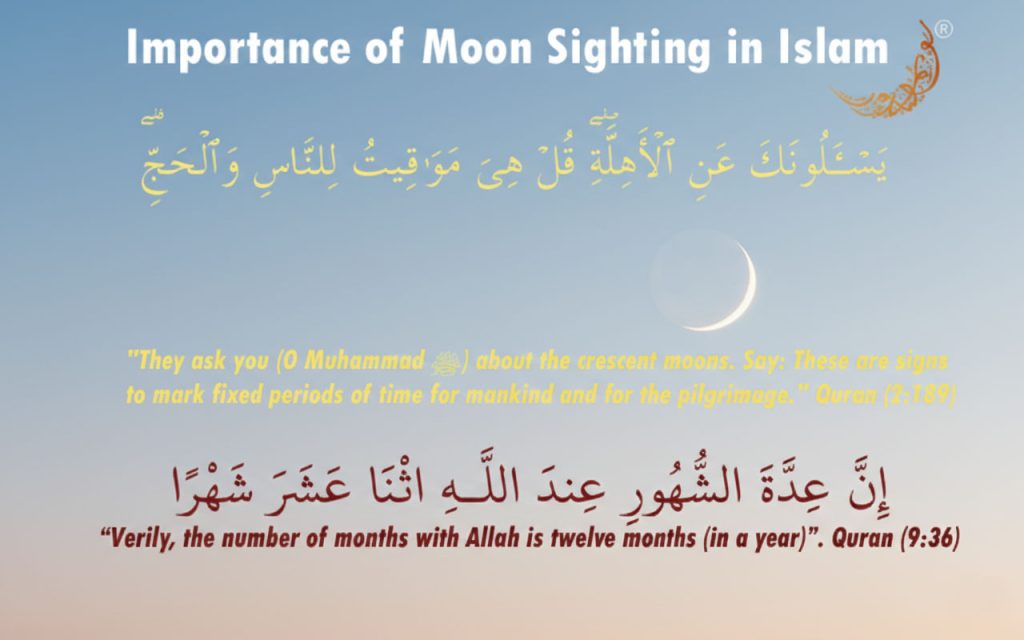
Every year, millions of Muslims worldwide ask: Is Ramadan tomorrow? The start of Ramadan depends entirely on the sighting of the new crescent moon (Hilal). In 2026, moon sighting committees across Saudi Arabia, UAE, India, Pakistan, and Bangladesh closely monitored the skies on February 17, 2026, to confirm the official start date of fasting.
Is Ramadan Tomorrow? Start Date, Moon Sighting & Countdown Learn More »

The Ramadan calendar 2026 is a vital resource that helps Muslims plan fasting, worship, and daily life with clarity and balance. By understanding expected dates, prayer schedules, and moon sighting principles, believers can approach Ramadan with preparedness and peace of mind.
Ramadan Calendar for Lahore 2026 – Today Sehri & Iftar Time Table Learn More »